UCLA-Ewha process turns mixed plastic waste into hydrogen while trapping carbon
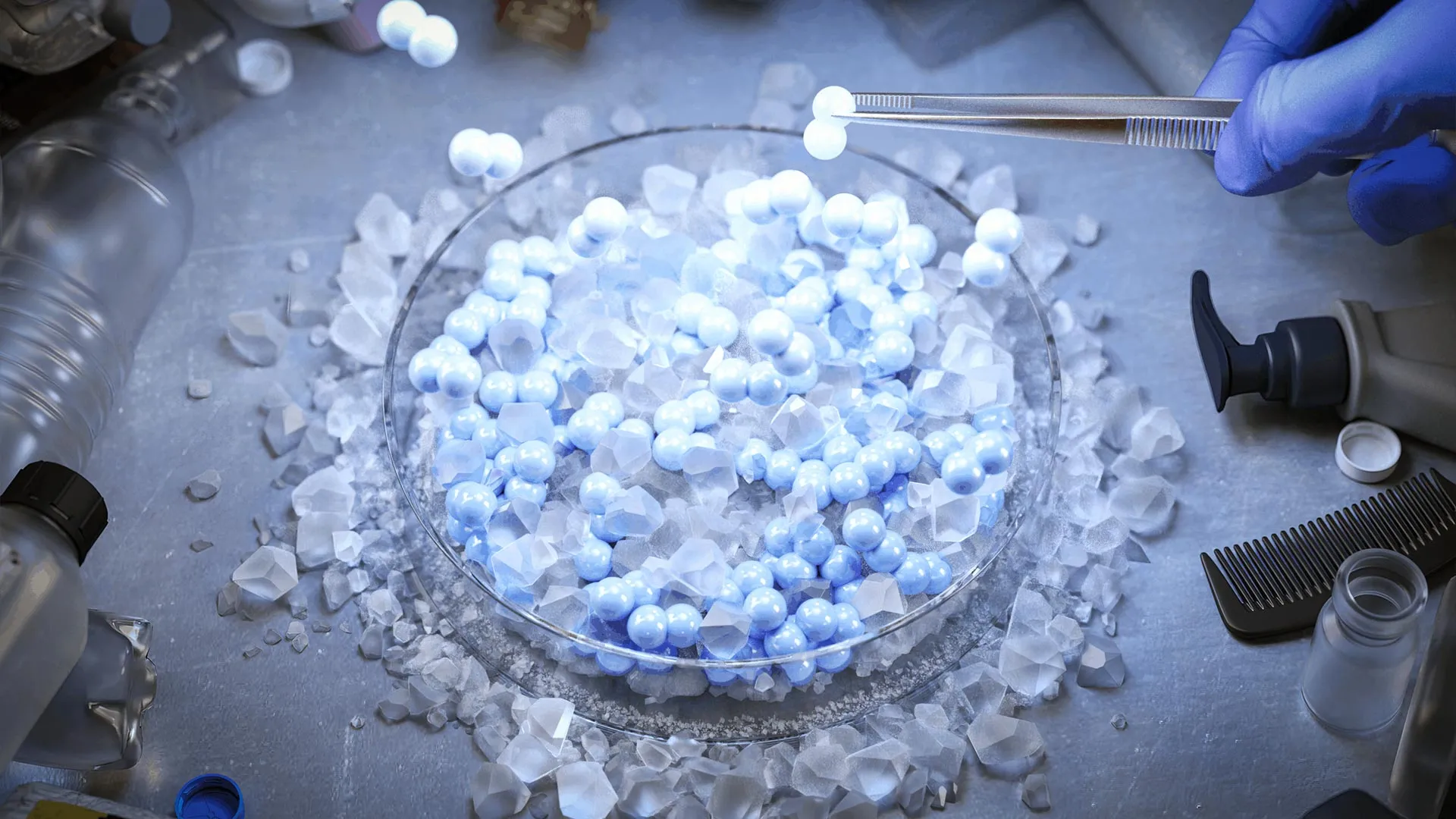 Image: Primary
 Researchers co-led by UCLA Samueli and Ewha Womans University demonstrated alkaline thermal treatment that converts mixed PET, polyethylene and polypropylene waste into high-purity hydrogen while keeping most carbon out of the atmosphere, ScienceDaily reported from University of California - Los Angeles materials.
In the process, sodium hydroxide reacts with plastics under heat to produce hydrogen more than 90% pure without sorting the three common polymers first. The method runs hundreds of degrees Celsius cooler than conventional steam gasification. A thermal oxidation pretreatment adds reactive groups so PE and PP break down alongside PET.
During the reaction, sodium hydroxide captures carbon as solid sodium carbonate; analysis found more than 75% of the plastic carbon ended in stable carbonates or liquid organic residues, with less than 13% in the gas phase and negligible direct atmospheric release. Sodium carbonate can be converted to calcium carbonate for mineral storage.
Co-corresponding authors Ah-Hyung Alissa Park of UCLA and Woo-Jae Kim of Ewha adapted a biomass hydrogen method to plastics. The findings appear in Proceedings of the National Academy of Sciences. The team said more work is needed before commercial scale and economic hydrogen production.
Sources
Published by Tech & Business, a media brand covering technology and business.
This story was sourced from ScienceDaily and reviewed by the T&B editorial agent team.
Back to Newswire


