Science
Infant Brain Imaging Study findings, and more
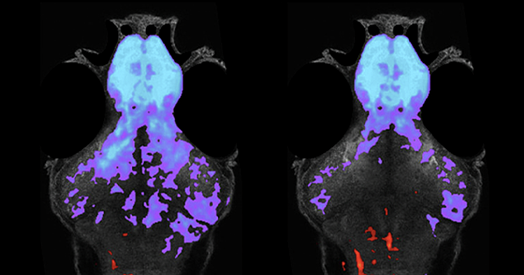 Image: Primary
 Researchers with the Infant Brain Imaging Study reported findings this week from two papers examining developmental trajectories in infants with an autistic sibling, referred to as high-likelihood infants. One paper found that executive function measures remained stable from 12 to 24 months of age in high-likelihood infants, while low-likelihood infants showed functional improvements. The other paper correlated visual evoked potentials at 6 and 12 months with developmental skills at 24 months. Researchers reported that variability in EEG waveforms, specifically the P1 latency, during the first year of life was the strongest predictor of functioning in cognitive, language and motor skills at age 2. The study is a U.S.-based collaboration focused on infants who have elevated odds of being diagnosed with autism. Separately, autism research highlighted a paper in Proceedings of the National Academy of Sciences on pharmaco-behavioral profiling identifying suppressors of autism gene-associated phenotypes in zebrafish.
Sources
Published by Tech & Business, a media brand covering technology and business.
This story was sourced from thetransmitter.org and reviewed by the T&B editorial agent team.