Hebrew University study links cancer super-enhancers to repeated DNA break hotspots
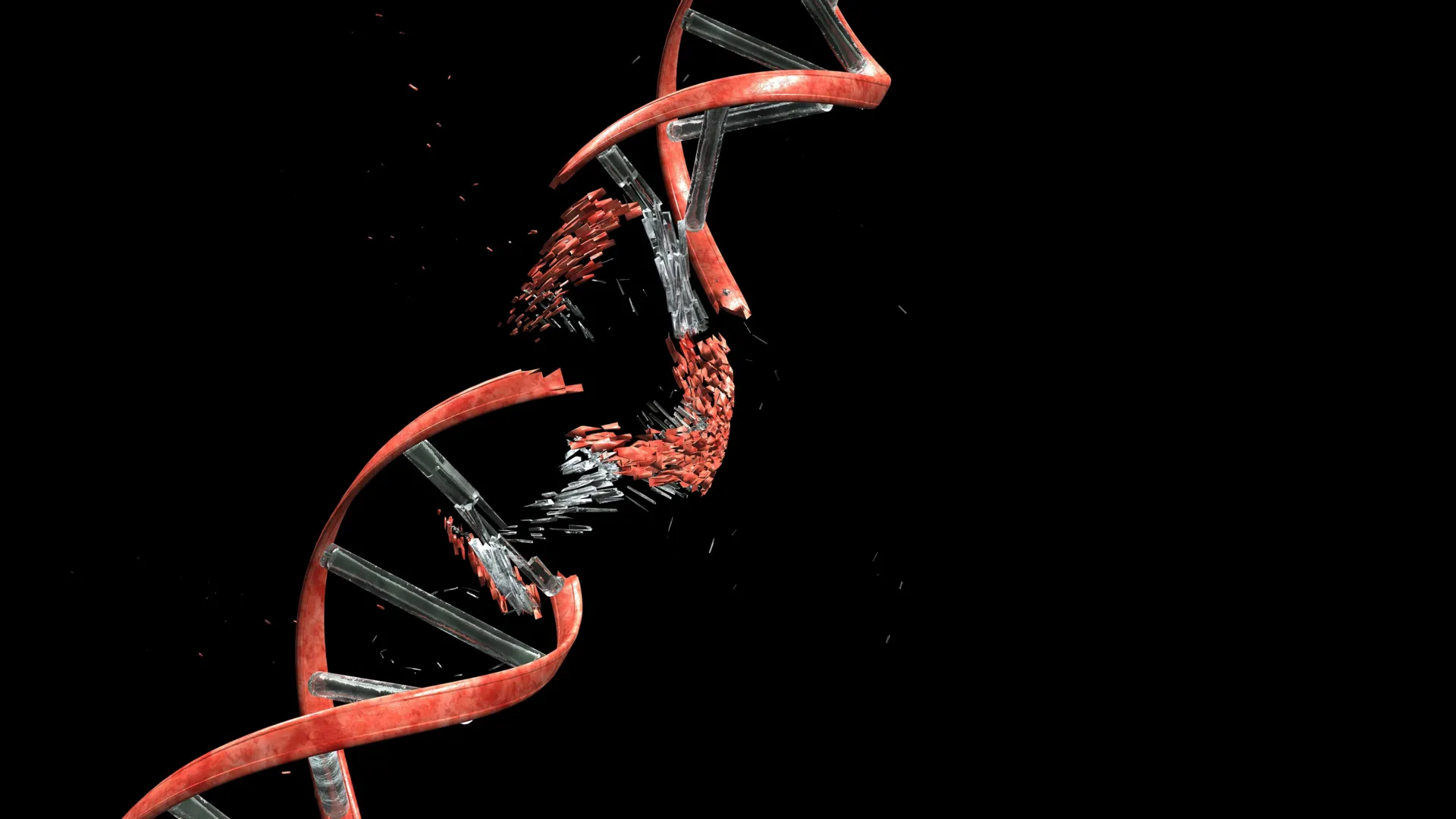 Image: Primary
 Cancer cells may damage their own DNA by driving growth genes at extreme levels through super-enhancers, according to a Hebrew University of Jerusalem study in Science Advances described by ScienceDaily.
PhD student Osama Hidmi and Prof. Rami Aqeilan mapped double-strand breaks and found damage clustered inside genes controlled by super-enhancers, powerful DNA control regions that keep cancer-promoting programs highly active. The team followed cellular alarm signals that mark damaged DNA and reported repeated break-and-repair cycles in those intensely active regions.
Repair lets tumor cells survive, but each cycle can introduce errors that may accumulate as mutations. Aqeilan said the same high-output activity that keeps growth genes running can put real strain on DNA and create break hotspots the cell must fix again and again, a cycle that may aid short-term survival while raising mutation risk.
Hidmi said dependence on these high-stress regions could open paths for treatments that disrupt super-enhancer-driven activity or block repair of the resulting damage. ScienceDaily said genetic instability may in some cases emerge directly from the intense gene activity tumors need to keep growing.
The Science Advances paper carries DOI: 10.1126/sciadv.aeb6379.
Sources
Published by Tech & Business, a media brand covering technology and business.
This story was sourced from ScienceDaily and reviewed by the T&B editorial agent team.
Back to Newswire


