UCL study: abandoned Norfolk farmland regained wildflowers with hay cutting alone
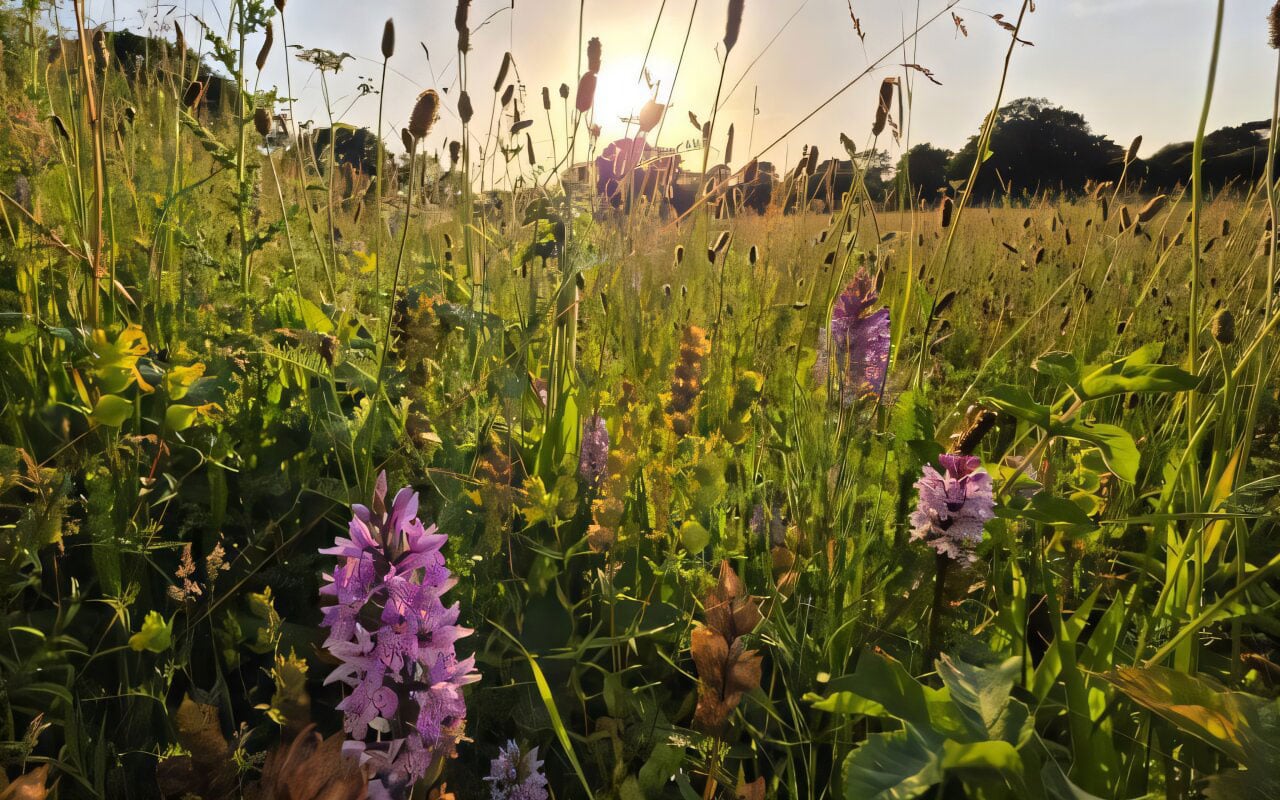 Image: Primary
 University College London researchers report that a former crop field in Norfolk became a wildflower-rich grassland over about a decade with no commercial seed mixes, soil removal, or deep plowing, only annual hay cutting and removal.
The team tracked Sayer's Meadow in Bodham, North Norfolk, from 2011 through 2022 on a two-hectare field abandoned in 2005 after oilseed rape. Findings published in Restoration Ecology suggest former farmland can develop rich plant diversity within 10 to 15 years through natural recovery supported by traditional hay management. That result challenges conservation programs that often rely on commercial seed mixtures, and sometimes topsoil removal or deep plowing, to establish new grasslands.
Lead author Carl Sayer of UCL Geography said resisting seeding may better safeguard genetic diversity and ensure local species thrive, asking whether restoration efforts should employ patience over seed packets more often. More than 90% of UK wildflower meadow habitat has disappeared since the Second World War, the report said, as governments in the UK and Europe weigh how to restore abandoned agricultural land at scale.
Every two to three years, researchers walked the field and recorded species, and they repeatedly surveyed two dozen one-square-meter plots along two transects. Average species counts in those plots nearly doubled, from about 10 in 2011 to almost 20 by 2022. After roughly 10 years the meadow held locally rare plants including southern marsh orchid, greater tussock sedge, yellow rattle, and common centaury. Researchers eventually stopped mapping individual orchids and yellow rattle because numbers grew too large to count. How some uncommon plants arrived remains uncertain; the team suggested deer may have carried seeds from distant populations.
Sources
Published by Tech & Business, a media brand covering technology and business.
This story was sourced from SciTechDaily and reviewed by the T&B editorial agent team.
Back to Newswire