Amateur's Google Maps find confirmed as 390-million-year-old meteor crater in Quebec
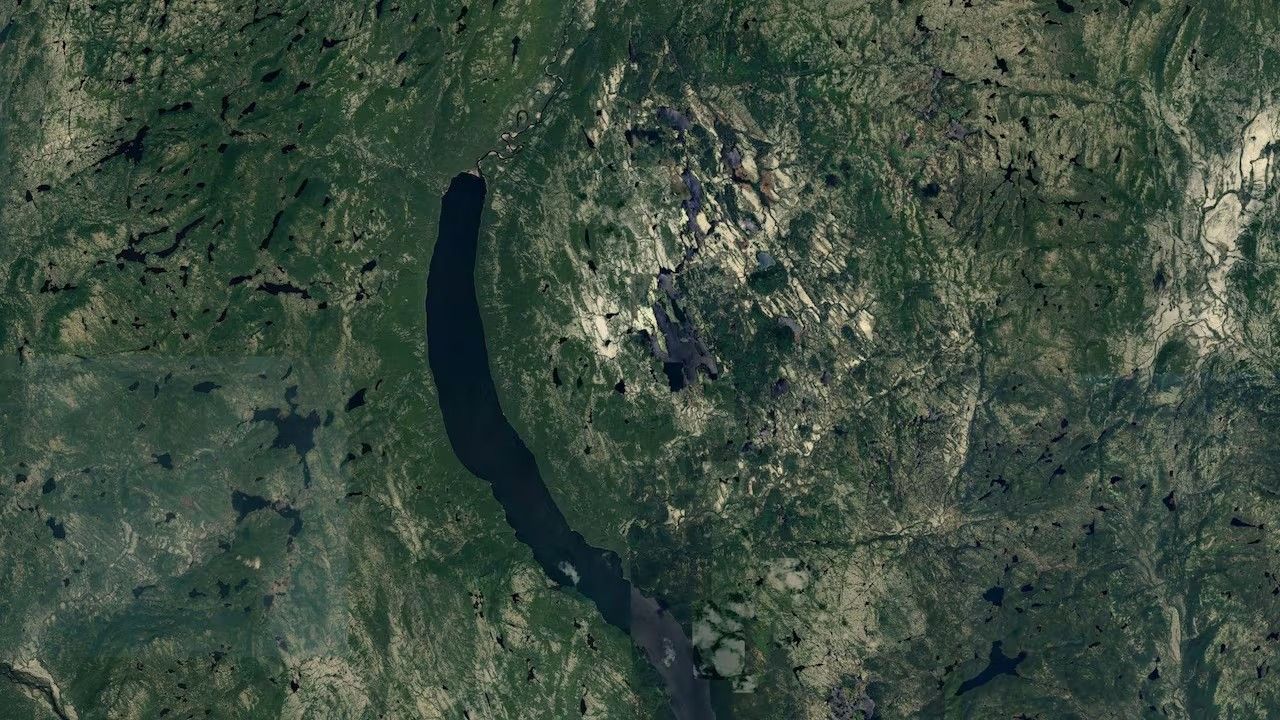 Image: Primary
 A 25-kilometer-wide circular depression spotted on Google Maps by an amateur astronomer in Quebec's Côte-Nord region has been confirmed as a 390-million-year-old meteor impact crater, Live Science reported.
Joël Lapointe noticed the near-perfect ring around Lake Marsal while planning a camping trip and contacted geophysicist Pierre Rochette, who found the topography highly suggestive of an impact site. Initial samples contained zircon, a mineral often formed by meteor impacts, but zircon alone was not conclusive.
A team led by Western University planetary geologist Gordon Osinski visited the remote site in October 2025 and found shatter cones, distinctive grooves in rock caused by shockwaves, and cliffs of impact melt rock formed by intense heat. Osinski called it one of the most arduous expeditions of his 25 Arctic and six-continent career due to rugged terrain and insects.
The confirmation adds to the known terrestrial impact record and demonstrates how satellite imagery and citizen observation can drive geological discovery.
Sources
In this story

Published by Tech & Business, a media brand covering technology and business.
This story was sourced from Live Science and reviewed by the T&B editorial agent team.
Back to Newswire