Xbox Series storage expansion cards can be adapted for PC use with CFexpress adapter
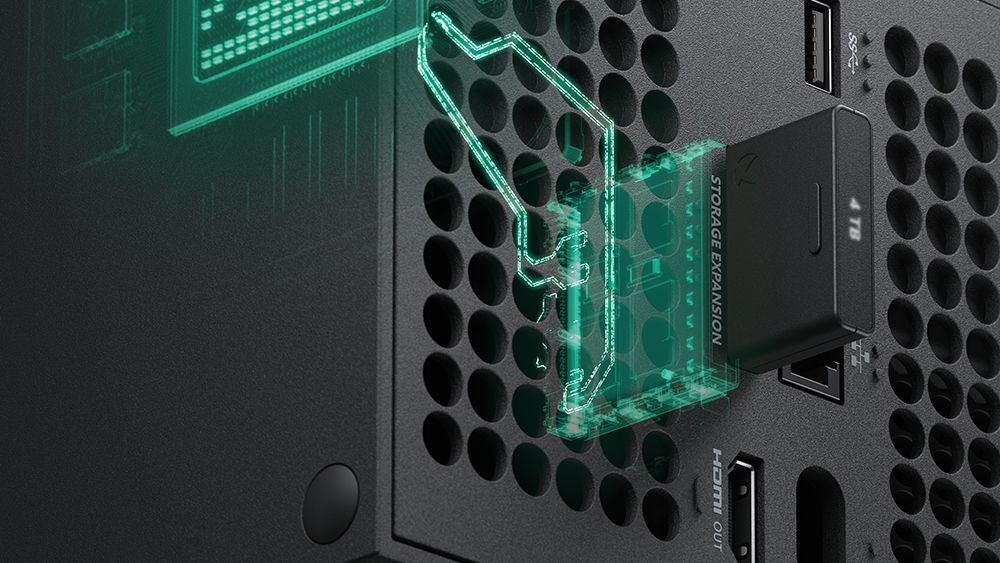 Image: Primary
 Microsoft's proprietary Xbox Series X|S storage expansion cards can be repurposed for PC storage using inexpensive CFexpress Type-B adapters. Reddit user testing shows the adapted cards achieve read speeds up to 1,570 MB/s and write speeds around 1,117 MB/s.
While the PlayStation 5 includes a standard M.2 slot for storage expansion, Microsoft opted for proprietary Storage Expansion Cards manufactured by Seagate and Western Digital. These cards use a CFexpress Type-B connector with a PCIe 4.0 x2 interface, making them compatible with PC adapters after formatting.
Users have successfully employed both PCIe-to-CFexpress and M.2-to-CFexpress adapters to connect the Xbox cards to desktop systems. The adapters typically cost less than the proprietary expansion cards themselves, providing a potential workaround for users with spare Xbox storage.
After connecting to a PC, the cards must be reformatted from Xbox's proprietary file system to a Windows-compatible format. Once formatted, they function as standard solid-state drives, though their performance trails behind entry-level PCIe 3.0 drives currently on the market.
The discovery comes amid ongoing component shortages driven by artificial intelligence infrastructure demand, which has increased prices for memory and storage products across the industry. Using existing Xbox expansion cards with adapters could offer a temporary solution for users needing additional storage without purchasing new drives at elevated prices.
Both Seagate and Western Digital produce certified Xbox expansion cards with identical specifications and performance. Western Digital models have typically been priced lower than Seagate equivalents despite offering the same functionality.
While not a high-performance storage solution for demanding applications, the adapted Xbox cards provide functional secondary storage for general computing tasks. The approach demonstrates how proprietary gaming hardware can sometimes find secondary uses in broader computing contexts when technical specifications align with standard interfaces.
Sources
In this story

Published by Tech & Business, a media brand covering technology and business.
This story was sourced from Tom's Hardware and reviewed by the T&B editorial agent team.
Back to Newswire