CRISPR-Based TAPIR Method Shows Ribosomal RNA Drives Protein Production
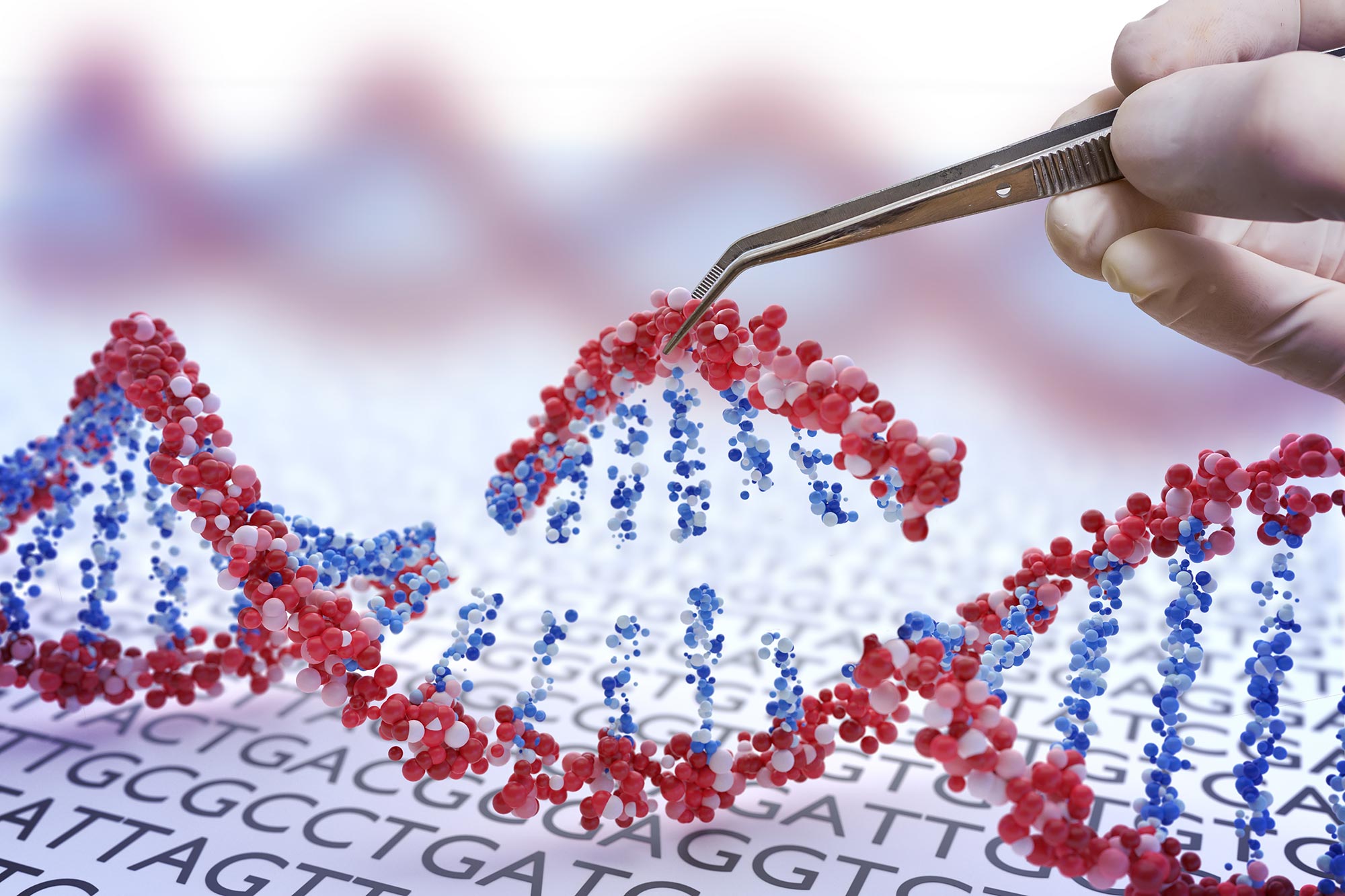 Image: Primary
 Researchers led by Professor Stefan H. Stricker of LMU's Biomedical Center and Helmholtz Munich have demonstrated that ribosomal RNA actively drives protein production rather than merely serving as a passive structural component. The study, published in Science, introduces TAPIR (Targeted Activation of Protein Translation), a CRISPR-based method that increases the activity of ribosomal genes to test whether additional rRNA changes cellular behavior.
Ribosomal genes provide instructions for producing rRNA, which combines with proteins to form ribosomes, the molecular machines that build proteins. By activating these genes directly, TAPIR allowed researchers to test whether extra rRNA would increase protein production and influence fundamental processes including cell identity, development, and growth. The results provide direct evidence that altering rRNA levels can change protein production and affect these core biological processes.
Scientists already knew that cells contain different amounts of ribosomal RNA depending on their type and condition, and that abnormal rRNA levels appear in several diseases. The unresolved question was whether those differences actively shape cellular behavior or simply appear after other changes have occurred. TAPIR separates cause from consequence by deliberately raising rRNA production and observing the effects.
Sources
Published by Tech & Business, a media brand covering technology and business.
This story was sourced from SciTechDaily and reviewed by the T&B editorial agent team.
Back to Newswire