Experts react to FCC limits on U.S. imports of new humanoid and mobile robots
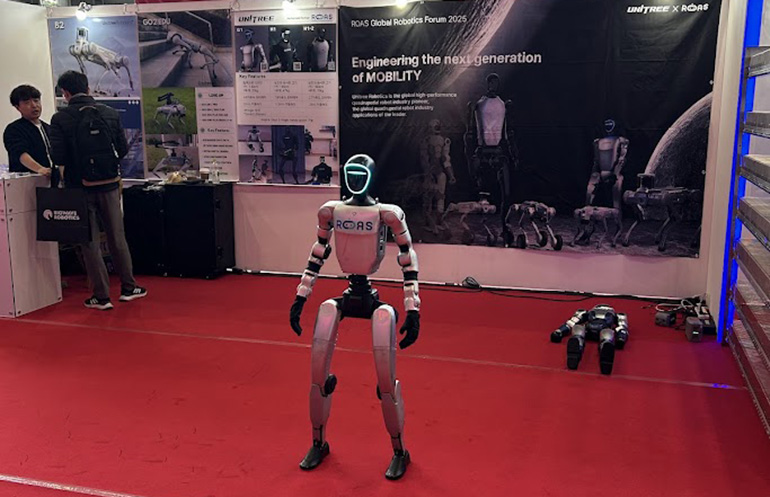 Image: Primary
The Federal Communications Commission said yesterday a White House-convened interagency body determined that foreign-made advanced robotic devices pose unacceptable risks to U.S. national security. The FCC said it has determined that such products, including mobile robots such as humanoids and quadrupeds, could create supply chain vulnerabilities and pose a cybersecurity risk to American critical infrastructure.
The commission provided an exemption for advanced robots and power inverters that receive conditional approval from the U.S. Department of War or Department of Homeland Security. The ruling does not affect sales, marketing, or use of devices already acquired or models that have already received FCC equipment authorization. The ban on new devices does not apply to federal purchases, and software updates for foreign-supplied systems can get approval with a waiver.
Evan Beard, CEO of Standard Bots, wrote on LinkedIn that the action is one of the strongest technology-security actions in modern U.S. history. Robert Little, a business development advisor and former chief of robotics strategy at Novanta Inc., said cybersecurity became a major issue when researchers found a backdoor in Unitree robots transmitting data to servers in China without the owner's knowledge. Georg Stieler, a global robotics advisor, said the measure could slow U.S. physical AI innovation by cutting startups off from low-cost Chinese platforms before Western alternatives exist. Henrik Christensen of the University of California San Diego warned the ban is potentially much wider than China and could impact Canadian and European robots.
Sources
In this story


Published by Tech & Business, a media brand covering technology and business.
This story was sourced from The Robot Report and reviewed by the T&B editorial agent team.
Back to Newswire