HII and Path Robotics sign MOU to integrate physical AI for welding into shipbuilding
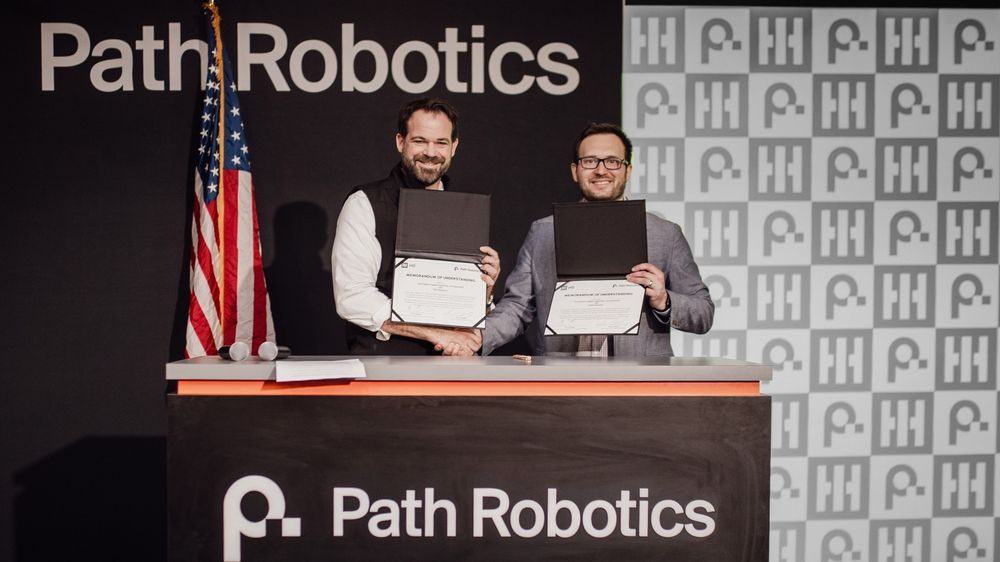 Image: Primary
 HII and Path Robotics signed a memorandum of understanding to explore the integration of Path's physical artificial intelligence for welding into shipbuilding operations. The MOU was signed at Path Robotics headquarters in Columbus, Ohio. Attendees included Eric Chewning, HII executive vice president of maritime systems and corporate strategy, and Andy Lonsberry, Path Robotics chief executive officer and co-founder.
Chewning said the partnership would help incorporate physical AI models to augment the workforce and speed up Navy shipbuilding production. HII shipbuilding throughput was up 14 percent in 2025, and the company seeks an additional 15 percent increase in 2026. The companies will identify opportunities in autonomous shipbuilding capability development, workforce training and an intellectual property framework.
They will pursue research and development integrating Path's physical AI models with other shipbuilding technologies, including HII's ROMULUS line of unmanned surface vehicles. Lonsberry said the partnership underscores the importance of Path's physical AI, which is purpose-built to see, understand and adapt to real world conditions in real time.
Prior to the signing, attendees observed robotic welding demonstrations on the factory floor. The demonstrations showcased how the systems may apply to naval fabrication work ranging from heavy foundations to large, complex ship structural assemblies. Path's physical AI model for welding, called Obsidian, transforms a traditional industrial robot arm into a real-time perception and decision-making system.
Currently HII shipbuilders perform specialized welding on large structures without an AI-based autonomous welding capability. HII uses automated robot welders that require human collaboration. The technology presents an opportunity to expand distributed shipbuilding capacity and meet Navy demand.
Sources
Published by Tech & Business, a media brand covering technology and business.
This story was sourced from HII and reviewed by the T&B editorial agent team.
Back to Newswire