Trump administration's legal setbacks are good news for offshore wind and the grid
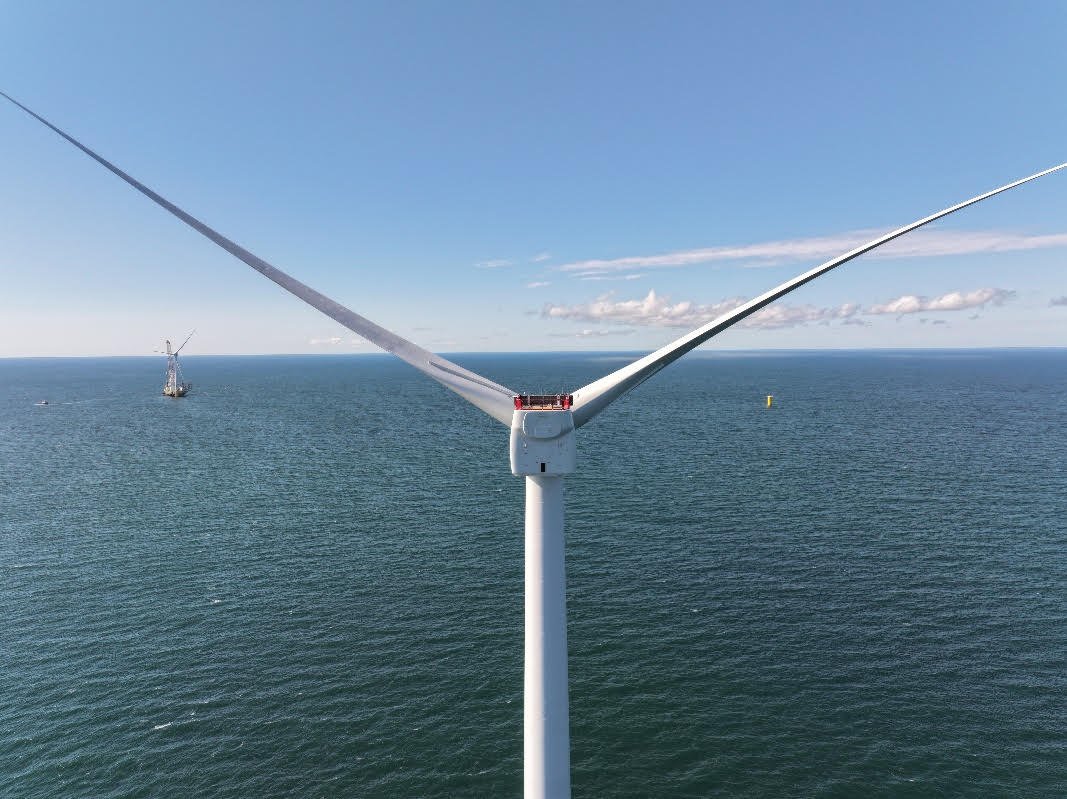 Image: Primary
 The Trump administration suffered a series of legal setbacks this week after judges allowed work to restart on several offshore wind farms under construction on the East Coast. The Department of the Interior had ordered a stop to five projects totaling 6 gigawatts of generating capacity in December, citing national security concerns. The judicial orders will allow three projects to resume construction: Revolution Wind off Rhode Island, Empire Wind off New York, and Coastal Virginia Offshore Wind off Virginia.
The developers each filed lawsuits shortly after the Trump administration issued the stop work order, which had been effective for 90 days. When announcing the halt just days before Christmas, the government cited concerns the wind farms would interfere with radar operations.
In early hearings, judges were not impressed with the government's line of reasoning. In three separate courtrooms in Virginia and Washington, DC, the Trump administration's arguments were met with skepticism.
U.S. District Judge Carl Nichols, a Trump appointee, pointed out the government failed to address several of plaintiff Equinor's arguments in its lawsuit. Equinor, which is developing Empire Wind, had alleged the Interior department's order was arbitrary and capricious.
Nichols also questioned why the Trump administration was asking for construction to be halted when its main concern regarding national security appeared to be over the operation of the wind farm. U.S. District Judge Jamar Walker, who heard Coastal Virginia Offshore Wind developer Dominion Energy's lawsuit, questioned the government along a similar line. He also said the Interior Department's order was overly broad when viewed in context of the Virginia project.
Two projects remain in limbo as their lawsuits work their way through the courts. Orsted, which is developing Sunrise Wind, has a hearing scheduled for February 2, while Vineyard Wind 1's developers only filed their lawsuit on Thursday.
Sources
In this story

Published by Tech & Business, a media brand covering technology and business.
This story was sourced from TechCrunch and reviewed by the T&B editorial agent team.
Back to Newswire