Lund study traces vertebrate eyes to an ancient median "cyclops" stage
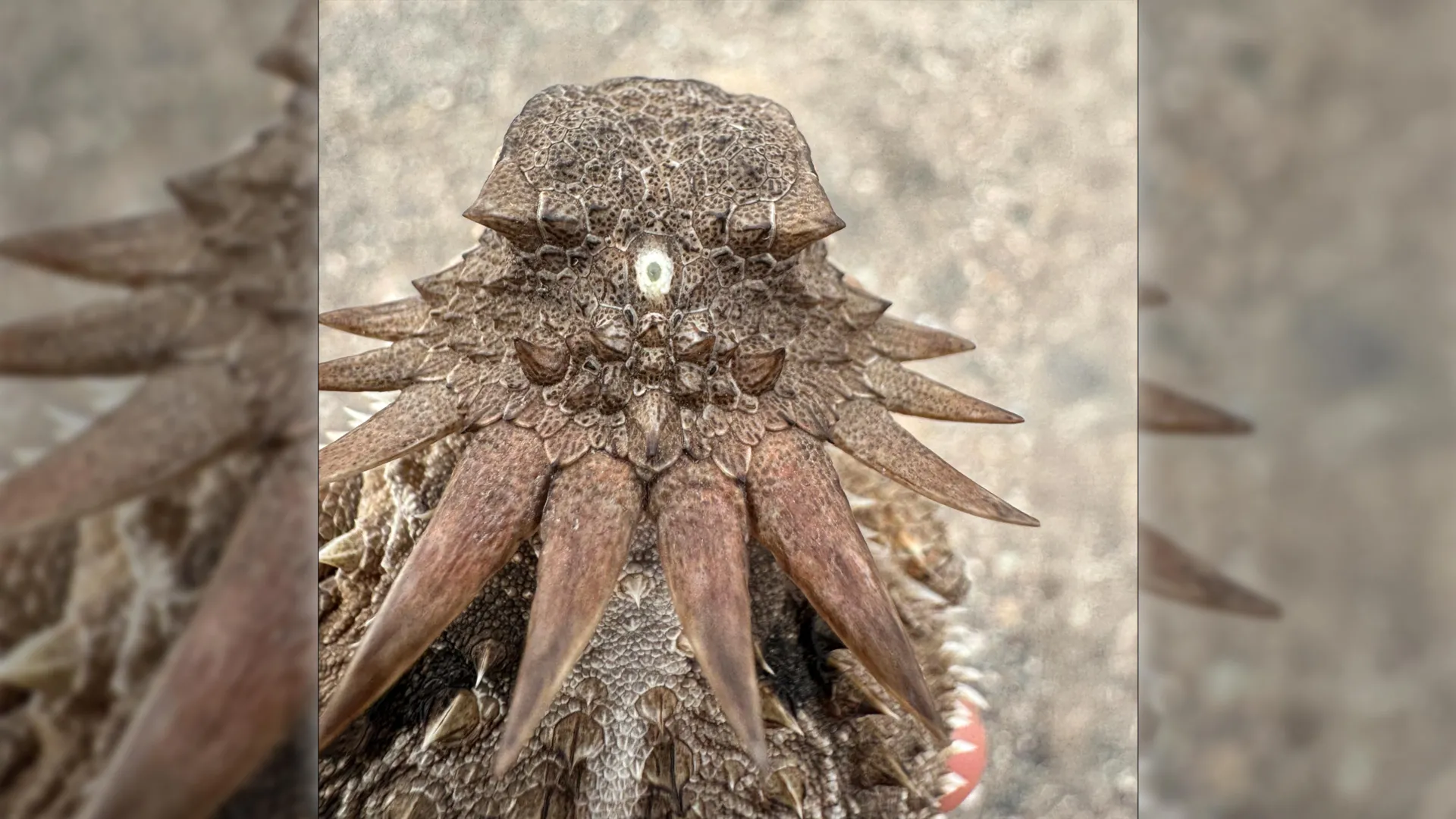 Image: Primary
 Researchers at Lund University and the University of Sussex report that the earliest vertebrate ancestor may have passed through a cyclops-like stage nearly 600 million years ago, with a single median eye that later helped shape paired vertebrate vision. ScienceDaily summarized the work, published in Current Biology with DOI 10.1016/j.cub.2025.12.028.
According to the researchers, the worm-like ocean filter feeder first lost paired light sensors after a sedentary lifestyle made them less useful, then retained a central light-sensing cluster that became a primitive median eye. When descendants returned to active swimming, parts of that median structure were repurposed into a new pair of image-forming eyes.
The team says that path helps explain why vertebrate retinas develop from brain tissue, unlike the skin-derived eyes of insects and squid. They also argue that the ancient median eye survives today as the pineal gland, which helps regulate sleep and circadian timing via melatonin and light cues.
Professor emeritus Dan-E Nilsson of Lund University said the findings overturn standard views of eye and brain evolution and clarify the origin of neural circuits that analyze images in the retina.
Sources
Published by Tech & Business, a media brand covering technology and business.
This story was sourced from ScienceDaily, Lund University and reviewed by the T&B editorial agent team.
Back to Newswire