Mouse study links late-adolescent brain remodeling to temporary memory lockaway
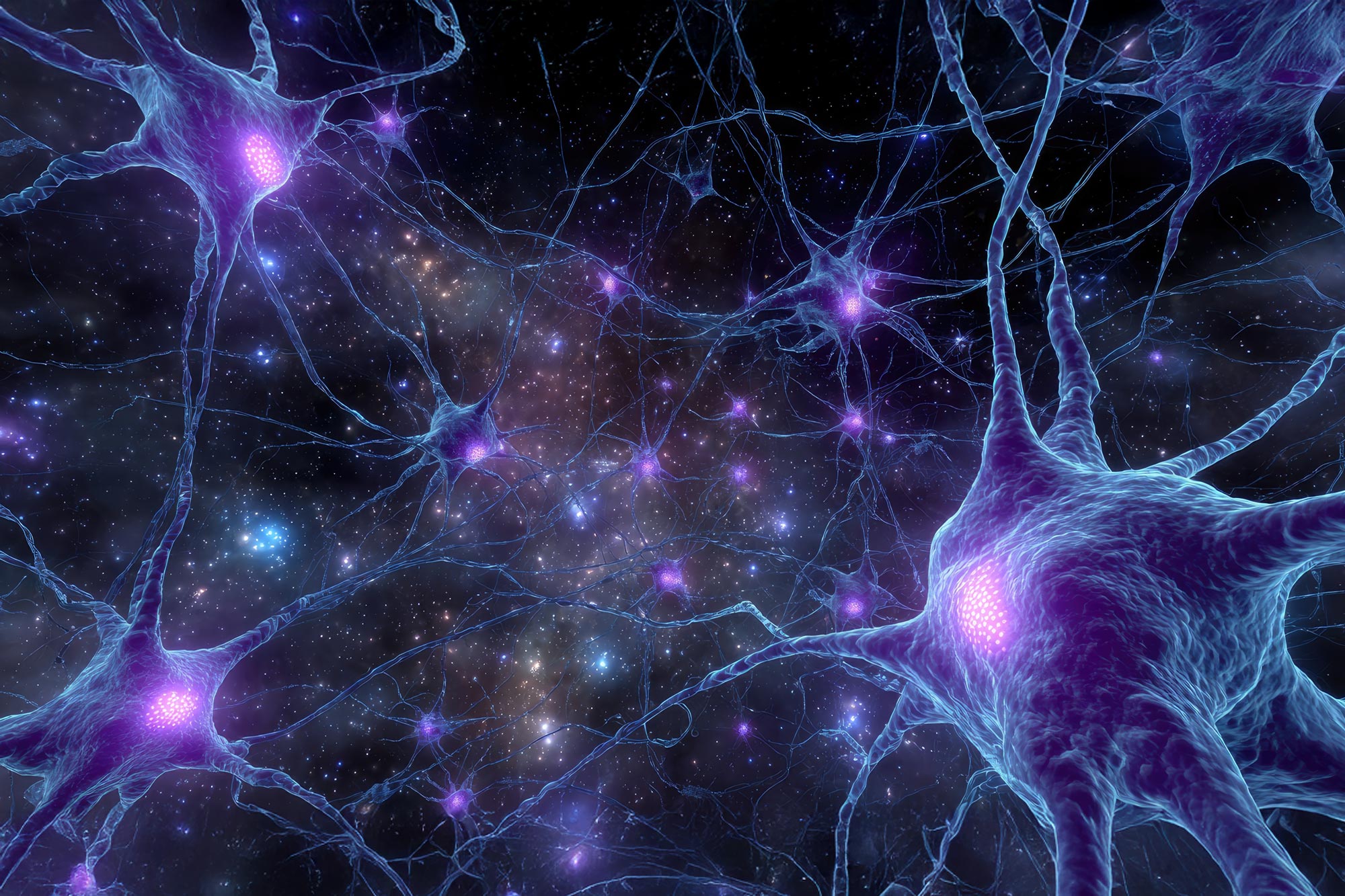 Image: Primary
A mouse study from Albert Einstein College of Medicine finds that protective perineuronal nets around neurons in the retrosplenial cortex decline sharply in late adolescence before recovering in adulthood, a change linked to temporary difficulty retrieving earlier memories.
Published in PLOS Biology, the work focuses on the retrosplenial cortex, which helps connect experiences with places, context, and stored information. The same net decline was not seen in the nearby hippocampus, which is more strongly tied to forming new memories. Senior author Jelena Radulovic said the findings begin to explain how prolonged adolescent development can change access to earlier experiences and may prioritize adult-formed memories at the expense of those from early adolescence.
In fear-conditioning tests, mice received a mild foot shock in a chamber and later froze if they remembered it. Many animals trained in early adolescence stopped freezing weeks later when returned to the chamber, while adult-trained mice kept responding. Reminders in a different setting restored fear of the original chamber, indicating memories were stored but harder to retrieve. The team linked reduced access to lower levels of proteins needed to build the nets and to reduced TGFβ2 activity. Strengthening the nets or restoring TGFβ2 activity restored access.
By mid-adulthood many inaccessible memories returned without intervention but were less specific, with fear appearing in unfamiliar environments as well as the original chamber. The authors compared that pattern with the reminiscence bump, in which adults recall many emotionally charged adolescent memories whose fine details may be incomplete, while noting the shared biology is unproven. They also note schizophrenia and major depression often emerge in late adolescence and suggest temporary circuit instability could create a sensitive window in genetically susceptible people, while stressing that the experiments were in mice and human confirmation is still needed.
Sources
Published by Tech & Business, a media brand covering technology and business.
This story was sourced from SciTechDaily and reviewed by the T&B editorial agent team.
Back to Newswire