Berkeley-led TRACE analysis finds African ghost lineage in modern human genomes
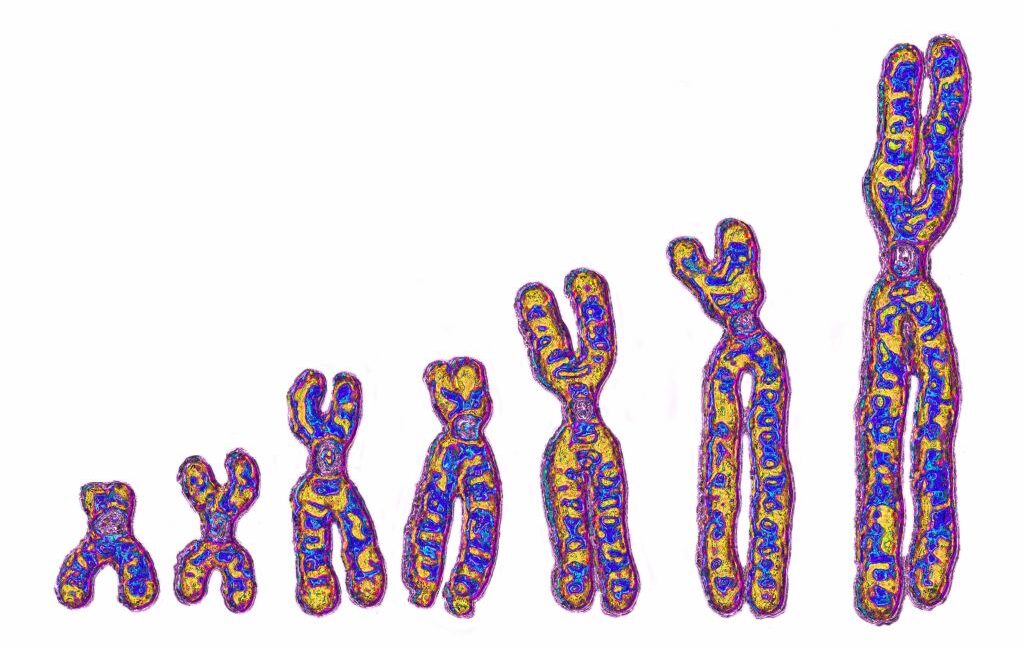 Image: Primary
 Ars Technica reports that a largely Berkeley-based team used ancestral recombination graphs and a tool called TRACE to hunt for DNA introgressed from lineages outside modern humans, Neanderthals, and Denisovans.
After validating TRACE on known Neanderthal and Denisovan segments, the researchers applied it to about 500 modern human genomes. Beyond those archaic segments, the analysis recovered DNA from a third "ghost lineage," amounting to about 0.5 to 1.1 percent of current human genomes and covering nearly 1.5 billion bases collectively of a three-billion-base genome.
The material appears in all modern human populations, which the write-up takes as evidence that interbreeding happened before the out-of-Africa expansion. African populations carry more diverse and some distinct segments. In African genomes, TRACE found only 0.1 percent Neanderthal and Denisovan ancestry, matching the tool's low false-error performance in that test.
Based on last common ancestors of the sequences, the team estimates the ghost lineage last shared an ancestor with modern humans over 800,000 years ago, roughly the same age as the split with the ancestor of Neanderthals and Denisovans. The ghost DNA also appears in genomic "deserts" that lack Neanderthal and Denisovan DNA.
A separate search for older "super archaic" material tied to Denisovan ancestry found only about 0.3 percent of Denisovan DNA in Oceanian genomes traceable to a lineage that branched off nearly 1.8 million years ago. The work is published in Science (DOI: 10.1126/science.aef8874). No genome from the African ghost source is available yet.
Laboratories that can read deeper African archaic admixture gain a clearer map of human deep history, while models that treated only Neanderthal and Denisovan introgression as the full archaic story lose exclusivity.
Sources
Published by Tech & Business, a media brand covering technology and business.
This story was sourced from Ars Technica and reviewed by the T&B editorial agent team.
Back to Newswire