Bacterial fuel cell achieves 8.3-fold power-density gain over flat design
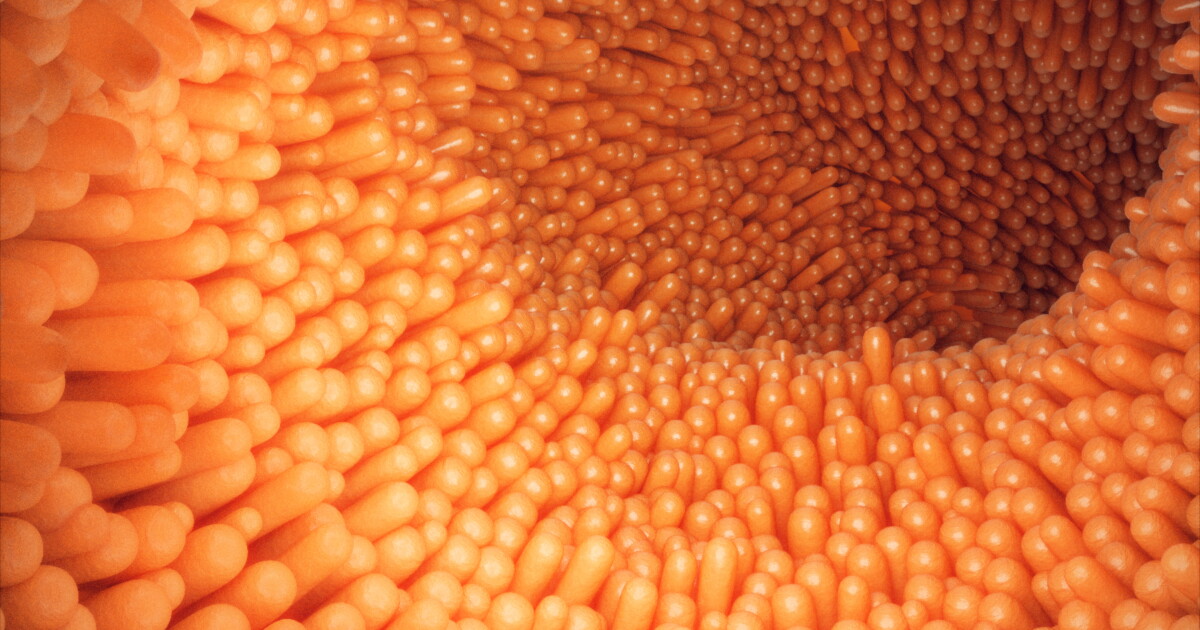 Image: Primary
Binghamton University researchers developed a bacteria-powered fuel cell that achieved 66.45 microwatts per cubic centimeter, compared with 8.04 for their volume-matched flat electrode. The results, published in Small, represent an 8.3-fold improvement over that comparison design.
Finger-like hydrogel pillars provide bacteria with surfaces to grow on while allowing nutrients and waste to move. The team tested 24 configurations and flexible patches in a simulated wastewater pipe. The device maintained approximately 0.75 volts for at least 14 hours with continuous nutrients. Its output remains too low for conventional consumer electronics.
Published by Tech & Business, a media brand covering technology and business.
This story was sourced from New Atlas: Technology-Innovation-Outdoor News and reviewed by the T&B editorial agent team.
Back to Newswire