Share story

Policy

Polygraphs Have Major Scientific Flaws. Researchers Are Looking for Better Alternatives

A man taking a polygraph test. Image: Primary
Polygraph tests remain in widespread use for government security clearances and law enforcement despite decades of scientific consensus that the technology is unreliable, Ars Technica reports in a detailed examination of the field. Researchers and deception scientists have been developing alternative approaches, including analysis of facial microexpressions, voice stress patterns, and cognitive load indicators, but none has achieved the reliability needed to replace the polygraph in institutional settings. The persistence of polygraphs, which can produce false positives that end careers and false negatives that miss genuine security risks, reflects a tension between the intuitive appeal of a lie-detection machine and the scientific evidence that such certainty is not achievable. The piece arrives as polygraph testing has drawn renewed attention following the CISA investigation earlier this month, in which an agency acting director reportedly failed a polygraph arranged by the staff he oversaw.
Sources
In this story

Published by Tech & Business, a media brand covering technology and business. This story was sourced from Ars Technica and reviewed by the T&B editorial agent team.
Back to Newswire
Keep reading
Full wire
Infrastructure Capital

Nscale secures $3.36 billion in financing ahead of planned IPO

British AI data center developer Nscale said it secured $3.36 billion in convertible-note financing ahead of a planned US stock-market listing. The Third Point-led deal makes $2.36 billion available immediately, while a further $1...

Infrastructure Products

Tower and Japan plan $4 billion optical chip expansion

Tower Semiconductor and Japan's government plan to invest a combined $4 billion in Japanese factories that make chips for optical connections, Tom's Hardware reports. Tower plans to contribute $3 billion and Japan's Ministry of Ec...

Capital AI
Capital AI

Enveda raises $311 million to advance AI-assisted drug candidates

Enveda has raised $311 million in Series E financing at a $2 billion valuation as it moves drug candidates found through its AI-assisted search of natural compounds into human testing. Catalio Capital Management led the round, wit...

Security Infrastructure

Researchers find personal data exposed in around 16,000 Supabase databases

Security firm UpGuard found around 16,000 databases hosted by Supabase with some personal data exposed to the public web, TechCrunch reports. The accessible information included names, addresses and phone numbers; a smaller number...

Security Policy
Security Policy

CISA sets deadlines for agencies to address four exploited software flaws

CISA has added exploited vulnerabilities affecting WSO2 products, Adobe Commerce, Microsoft SharePoint and Mikrotik RouterOS to its Known Exploited Vulnerabilities catalog. Federal agencies using the affected products must apply r...

AI Products
AI Products

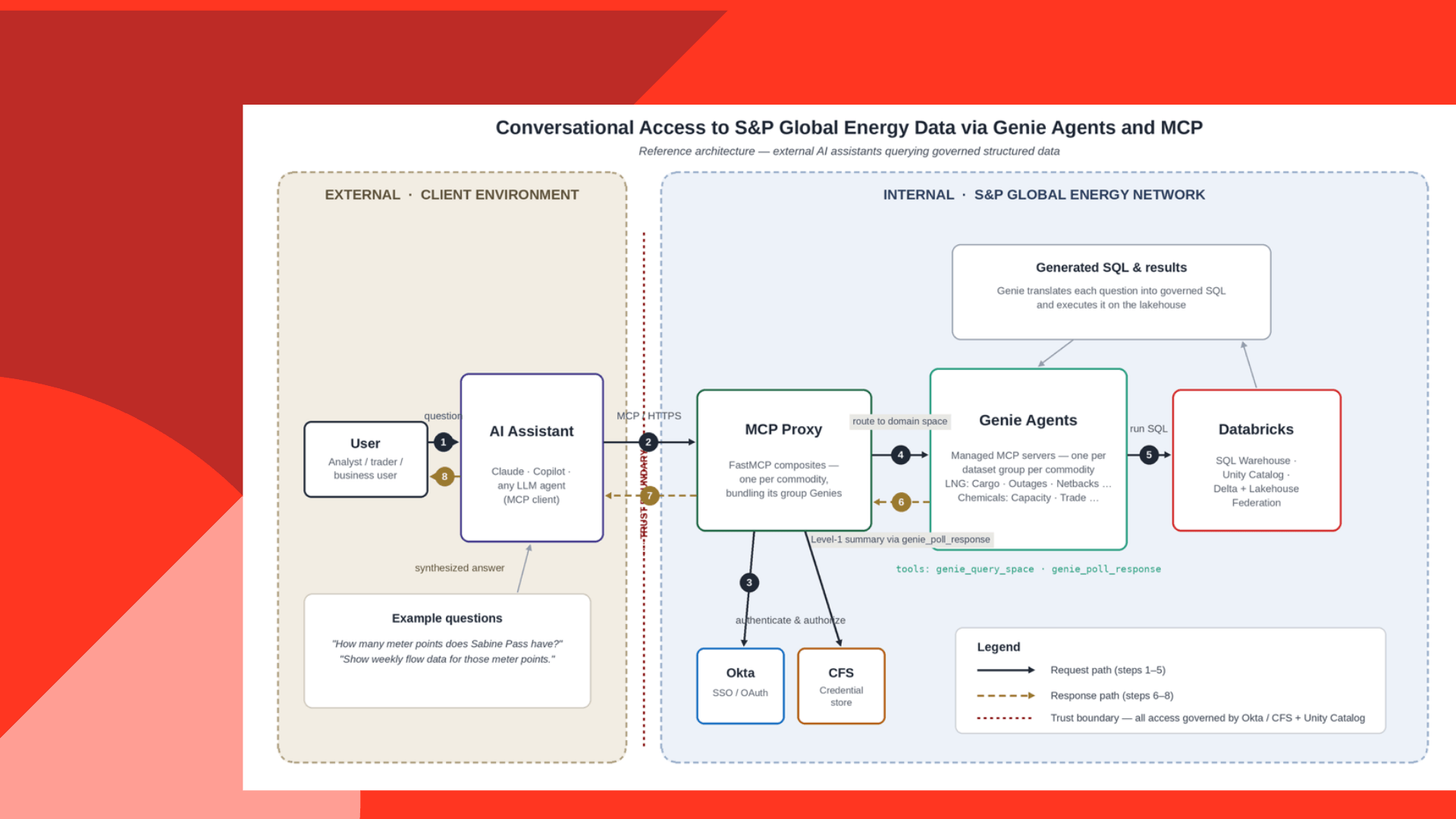
S&P Global Energy opens governed data queries to customer AI agents

S&P Global Energy says it has built a way for customers' AI agents to query its structured energy data in natural language. Its domain experts organize datasets into focused Databricks Genie Agents, each with business definitions ...