Reduced Brain Network Flexibility Across Psychiatric Conditions
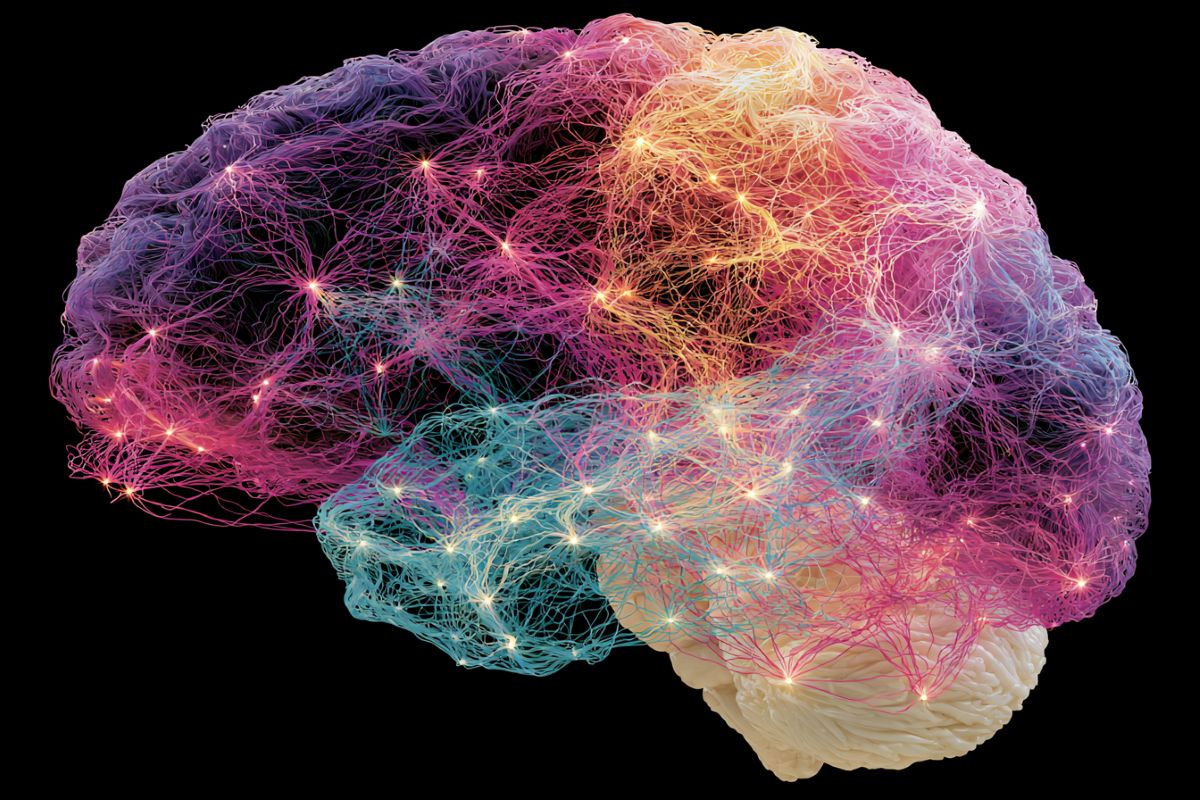 Image: Primary
 Rutgers University researchers found that individuals with psychiatric conditions show reduced flexibility in brain network dynamics, according to a study published in Nature Communications. The study was led by Carrisa Cocuzza, a postdoctoral fellow, and Avram Holmes, an associate professor of psychiatry at Robert Wood Johnson Medical School.
The researchers used a transdiagnostic dataset of 219 people across 11 psychiatric diagnoses. Participants underwent magnetic resonance imaging scans at rest and while performing tasks to examine connectivity changes across six cognitive states. The team characterized how brain networks reconfigure over time and identified individual "symptom fingerprints" from behavioral and clinical measures.
Individuals with psychiatric conditions showed reduced flexibility in brain network dynamics. "Their brain networks were less able to shift between different configurations across cognitive states compared to healthy individuals," Cocuzza said. These flattened dynamics distinguished patients from healthy participants and identified diagnostic categories.
Critically, brain network dynamics correlated more strongly with symptom fingerprints than with traditional diagnostic labels. "The findings indicate that impairments in time-varying brain processes may underlie differences in cognitive and behavioral functioning across individuals," Holmes said. The study supports a shift toward personalized, biology-informed models of mental health.
Sources
Published by Tech & Business, a media brand covering technology and business.
This story was sourced from Neuroscience News and reviewed by the T&B editorial agent team.
Back to Newswire