Johns Hopkins mini-brain organoids show mixed Alzheimer's responses to common SSRI
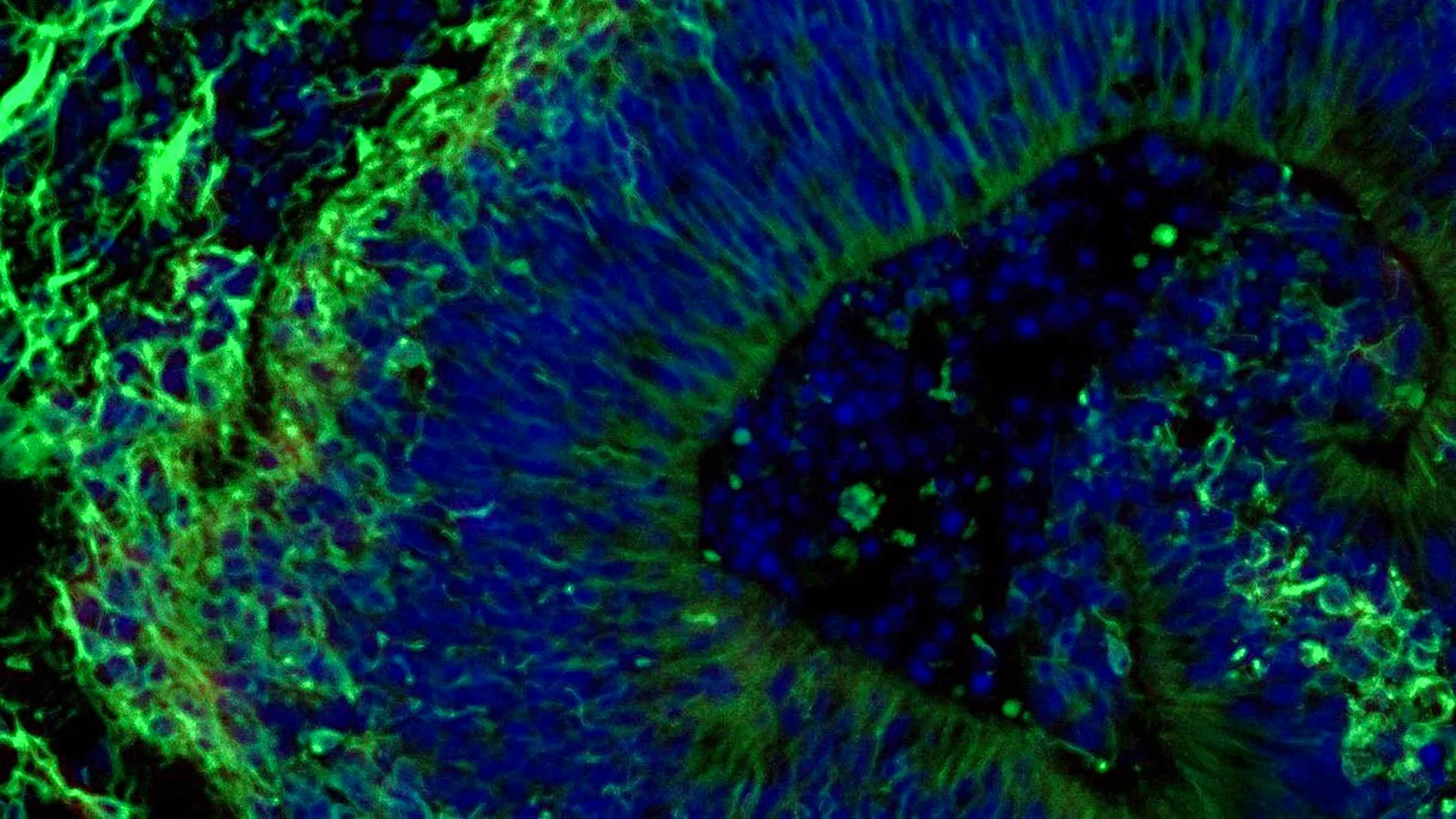 Image: Primary
 Scientists at Johns Hopkins Medicine report that lab-grown hindbrain organoids derived from people with Alzheimer's disease can show different molecular responses to the antidepressant escitalopram oxalate, findings they say could eventually help stage disease and guide more personalized treatment choices.
The study, partially funded by the National Institutes of Health and published in Alzheimer's & Dementia: The Journal of the Alzheimer's Association, used blood samples reprogrammed into induced pluripotent stem cells from patients and healthy donors. Those cells were guided into pea-sized clusters of serotonin-producing neurons meant to model the hindbrain, which helps control functions such as breathing, sleep, and heart rate. The team said the project included hundreds of organoids and may be among the largest brain organoid studies so far in Alzheimer's research.
Compared with healthy controls, Alzheimer's organoids showed differences in proteins tied to cell communication, inflammation, and disease-linked pathways. After drug treatment, some patient-derived organoids increased proteins involved in serotonin signaling and synaptic communication, while others showed little or no molecular response. Study leader Vasiliki Machairaki said the model may eventually help identify patient subgroups more likely to respond to certain drugs.
The team also found that organoids release extracellular vesicles carrying cellular information. Alzheimer's samples showed lower levels of proteins including RAB3A, NSF, and ATCAY, which play roles in normal signaling between brain cells. After escitalopram, levels of some proteins rose in certain samples, especially those connected to serotonin and synaptic pathways. Machairaki said vesicles could eventually help diagnose disease, gauge progression, and mark treatment response.
There is no cure for Alzheimer's, which the release said affects more than 7 million Americans, and SSRIs are often used for anxiety, depression, and agitation with highly variable results. Machairaki plans more advanced organoids that include immune cells and vessel-like networks and framed the work as an early step toward possible liquid-biopsy style uses of extracellular vesicles.
Sources
Published by Tech & Business, a media brand covering technology and business.
This story was sourced from ScienceDaily and reviewed by the T&B editorial agent team.
Back to Newswire