AI spots hidden earthquake warning patterns in seismic data, study finds
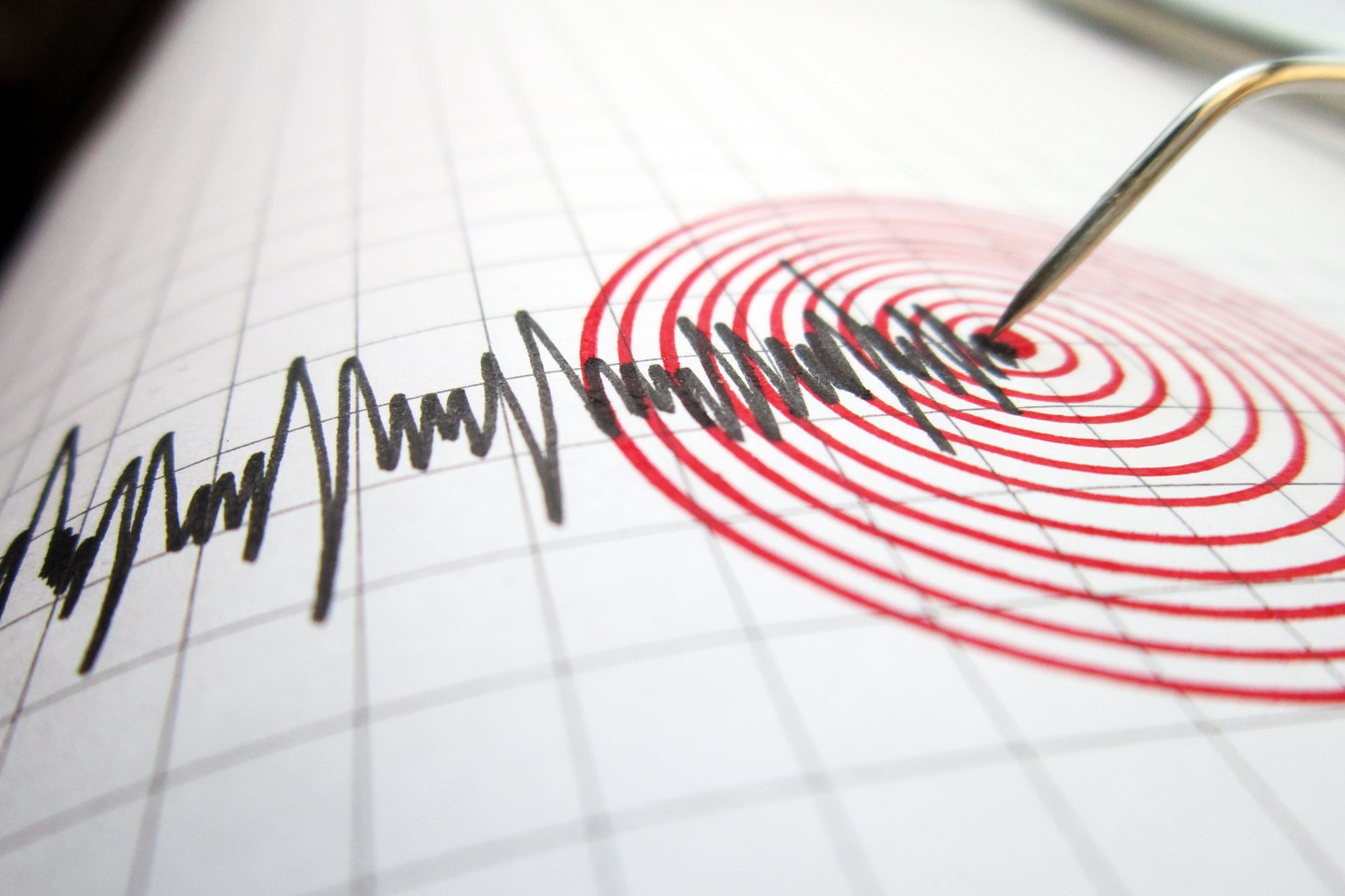 Image: Primary
 Researchers at the GFZ Helmholtz Center for Geosciences used unsupervised machine learning to detect distinct foreshock patterns weeks to months before several major earthquakes, according to a study published in Nature Communications.
The method analyzes seismic "families", groups of related earthquakes clustered in space, time, and magnitude, rather than treating each quake as an isolated event. By describing each family with physical and statistical features, the unsupervised algorithm identified a critical category of activity marked by stronger clustering, greater spatial and temporal localization, and increased strain release that appeared before the 2023 Kahramanmaraş earthquake in Türkiye, the 2014 Iquique earthquake in Chile, and the 2009 L'Aquila earthquake in Italy.
When applied to the 2016 Amatrice and 2024 Noto earthquakes, which lacked known precursors, the method did not detect the same critical pattern. The researchers say this variability reflects the complexity of earthquake processes and monitoring conditions; some faults may fail without detectable seismic warning signs.
The team also tested a prospective approach, using earlier seismic activity in each region to establish a baseline and then updating the analysis as new events arrived. The sudden appearance of a new seismic category could signal a fault system transitioning to a more critical state.
The study was led by Dr. Sadegh Karimpouli and Prof. Dr. Patricia Martínez-Garzón of GFZ, with co-authors from international institutions. Funding came from the European Research Council's QUAKEHUNTER project.
Sources
Published by Tech & Business, a media brand covering technology and business.
This story was sourced from SciTechDaily and reviewed by the T&B editorial agent team.
Back to Newswire