Scientists discover how the brain rewires itself to truly multitask
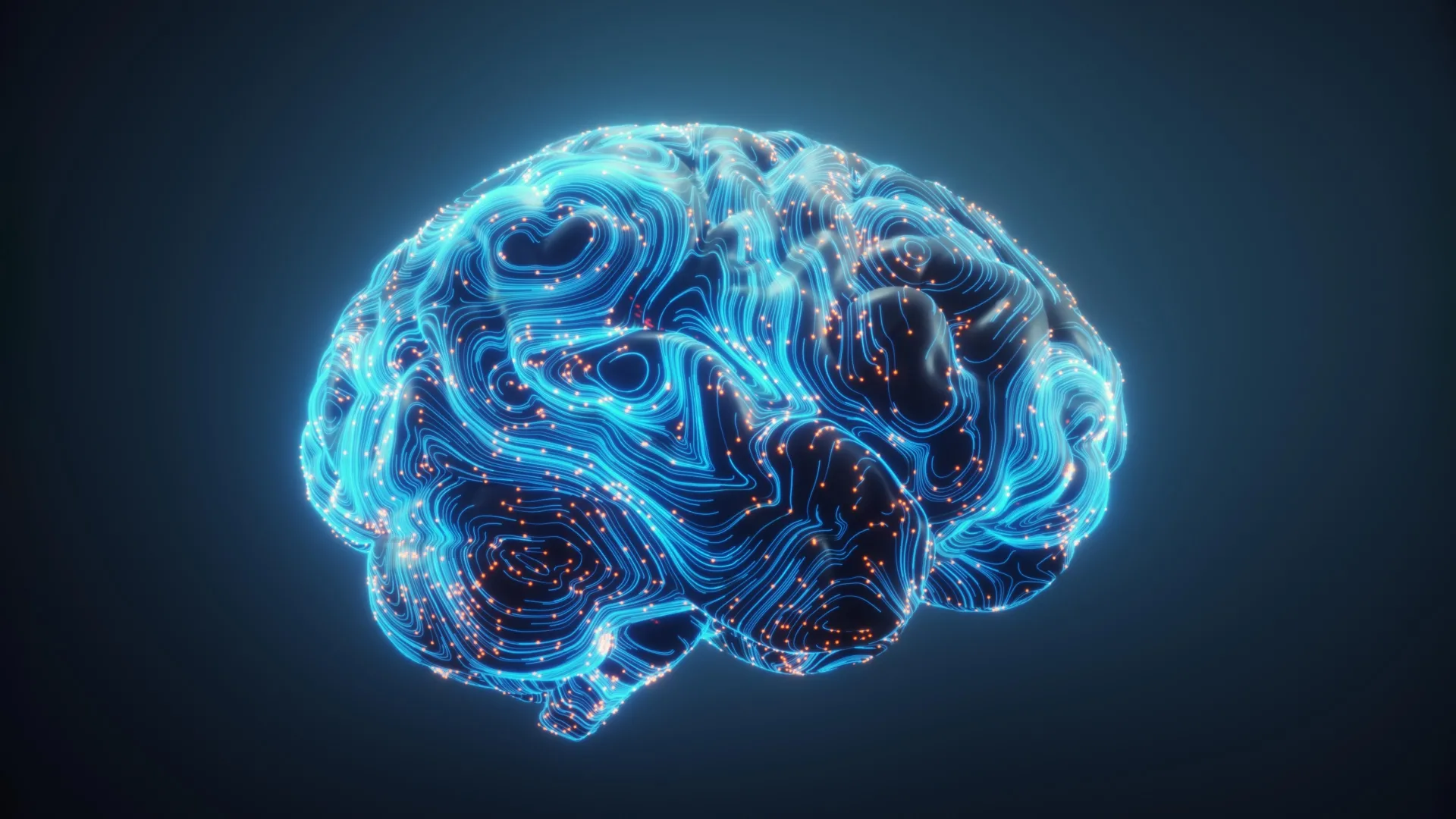 Image: Primary
 Researchers at Georgetown University Medical Center announced July 12 that extensive training physically reorganizes the brain, allowing learned tasks to bypass the prefrontal cortex and run through specialized circuits in the temporal cortex instead.
The study, published by Georgetown University School of Medicine, challenges the long-held idea that humans only switch rapidly between tasks rather than truly multitask. Senior author Maximilian Riesenhuber, PhD, professor of neuroscience and co-director of the Center for Neuroengineering, said the findings provide another stepping stone in understanding how the brain learns and show that people really can learn to multitask by remodeling brain architecture.
First author Patrick Cox, PhD, now an assistant professor of psychology at Lehigh University, said the longitudinal design measured brain activity before and after training, revealing that extensive practice essentially put a category-selective area in the temporal lobe that was not there before. Volunteers completed more than 30,000 sorting trials over 5 to 10 weeks using a smartphone app.
Early learning activated the prefrontal cortex, but after practice the task shifted to the temporal cortex. The more the task offloaded from the prefrontal cortex, the better participants performed a second task simultaneously. Riesenhuber said experience remodels the brain to bypass the frontal bottleneck, freeing the prefrontal cortex for other activity.
The results may offer insight into habit formation and why strategies like distraction fail to break unwanted behaviors. Researchers also suggest the findings could inform artificial intelligence systems that struggle to learn continuously without disrupting previous knowledge. The team plans to investigate what signals move learning between brain regions and which tasks can be performed in parallel.
Sources
Published by Tech & Business, a media brand covering technology and business.
This story was sourced from Science Daily and reviewed by the T&B editorial agent team.
Back to Newswire