Robotics

Y Combinator-backed Tornyol builds sonar mosquito-hunting microdrones
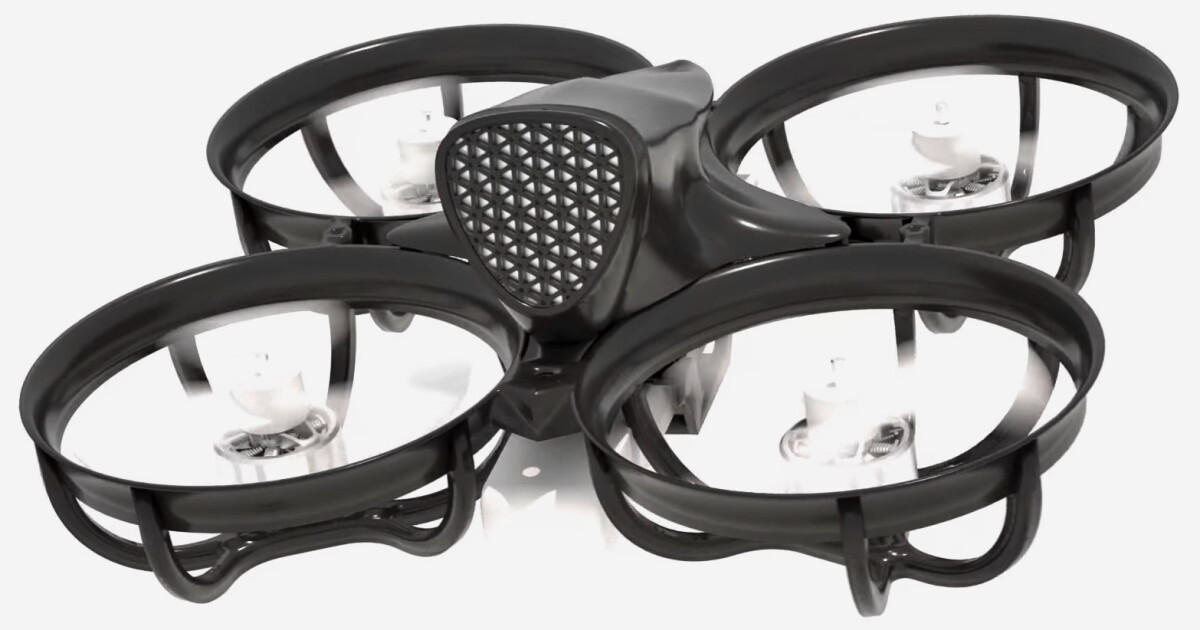
Tornyol's LeSonar2 drone utilizes 32 ultrasonic emitters to locate mosquitoes – and it uses its propellers to dispatch them Image: Primary
French startup Tornyol is developing a roughly 40-gram autonomous drone that patrols a defined area, detects flying insects with ultrasonic sonar, and destroys mosquitoes mid-air with its propellers, New Atlas reported. The Y Combinator-backed company says the system is meant as an active alternative to insecticides, traps, and genetic approaches. The latest model, LeSonar2, uses 32 ultrasonic emitters and 380 smartphone microphones feeding an Artix-7 FPGA that builds a real-time 3D map. The firm says insects are classified by wingbeat frequency and harmonic structure so the drone can target mosquitoes while avoiding other insects, and it cites collision avoidance, enclosed propellers, and light weight as safety features around people and pets. Tornyol plans a US$1,100 purchase option or a $50 monthly subscription with a $100 early-adopter reservation fee, and says a single unit should cover areas up to 5 acres. The company also claims large cost advantages versus fixed traps and mosquito nets, alongside a goal of sharp malaria mortality reduction in dense areas. New Atlas notes practical limits: flight time of about three minutes against a roughly 30-minute recharge, electricity dependence, noise concerns at night, and pricing that may not fit the regions hardest hit by mosquito-borne disease. A University of Lagos genetics researcher quoted in the piece called the concept promising for some settings but impractical where power and cost constraints dominate. Demos so far include eliminating a moth mid-air; the product remains in development.
Sources
In this story

Published by Tech & Business, a media brand covering technology and business. This story was sourced from New Atlas and reviewed by the T&B editorial agent team.
Back to Newswire
Keep reading
Full wire
Robotics
Robotics

Xpeng commissions Iron humanoid production line

Xpeng has commissioned a production line for its Iron humanoid robot, the company said, with more than 80% of core processes automated. The company said an assembled Iron unit walked off the line autonomously, marking a move from...

Robotics
Robotics

XPeng says IRON humanoid robot has entered production phase

XPeng says its first IRON humanoid robot completed an automated assembly sequence and independently left its production facility, marking a move from development toward manufacturing. The company says the plant automates more than...

Robotics
Robotics

NEURA and SECO plan European compute modules for cognitive robots

NEURA Robotics and SECO said SECO will design, engineer and manufacture electronic compute modules for NEURA's cognitive robots, including the 4NE1 humanoid. The modules are to be developed and produced in Europe and use Qualcomm ...

Robotics Capital
Robotics Capital

UForce reportedly discusses financing at about $5 billion valuation

UForce, a London-based drone startup, is in discussions to raise financing at a valuation of about $5 billion, Bloomberg reported, citing people familiar with the matter. The supplied summary identifies the company as a drone star...

Robotics
Robotics

Lyft begins offering Waymo robotaxi rides in Nashville

Lyft is now matching riders in Nashville with fully driverless Waymo vehicles through its app, making Nashville the first market where Waymo is available through both Lyft and Waymo's own app. Eligible requests include several Lyf...

AI Robotics
AI Robotics

HiDream.ai announces embodied world model for robot tasks

HiDream.ai said it launched HiDream-O1-Embodied, an embodied world model intended to support robots' physical perception, dynamic prediction and task execution. The company said the model ranked first on RoboColiseum's Robustness ...