Paint security update fails to appear for some Windows users
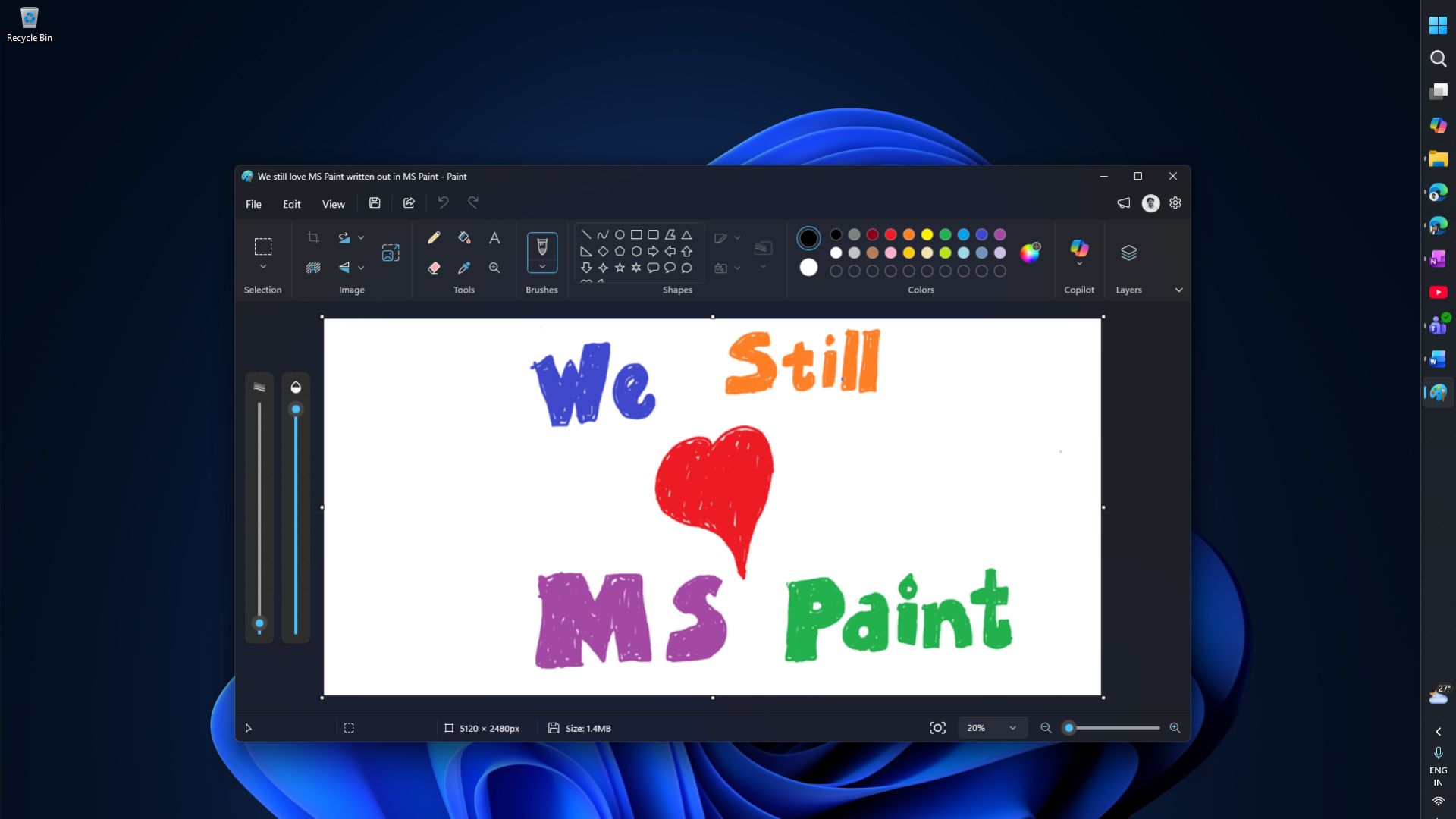 Image: Primary
Windows Latest reports that Microsoft Store offered no Paint update on its test system despite the installed app being older than Microsoft's documented security fix. Other users, including IT administrators, reported the same problem. The finding concerns CVE-2026-83844, a remote code execution vulnerability disclosed on October 13.
Microsoft identifies Paint version 11.2609.401.0 or newer as patched. Windows Latest found version 11.2603.251.0 installed despite automatic updates being enabled. It could not determine whether update delivery or Microsoft's documented version was wrong. Paint updates separately through the Store, so Windows updates alone do not establish protection. Microsoft describes exploitation as difficult, and the outlet reported no observed exploitation in the wild.
Sources
In this story

Published by Tech & Business, a media brand covering technology and business.
This story was sourced from Windows Latest and reviewed by the T&B editorial agent team.
Back to Newswire