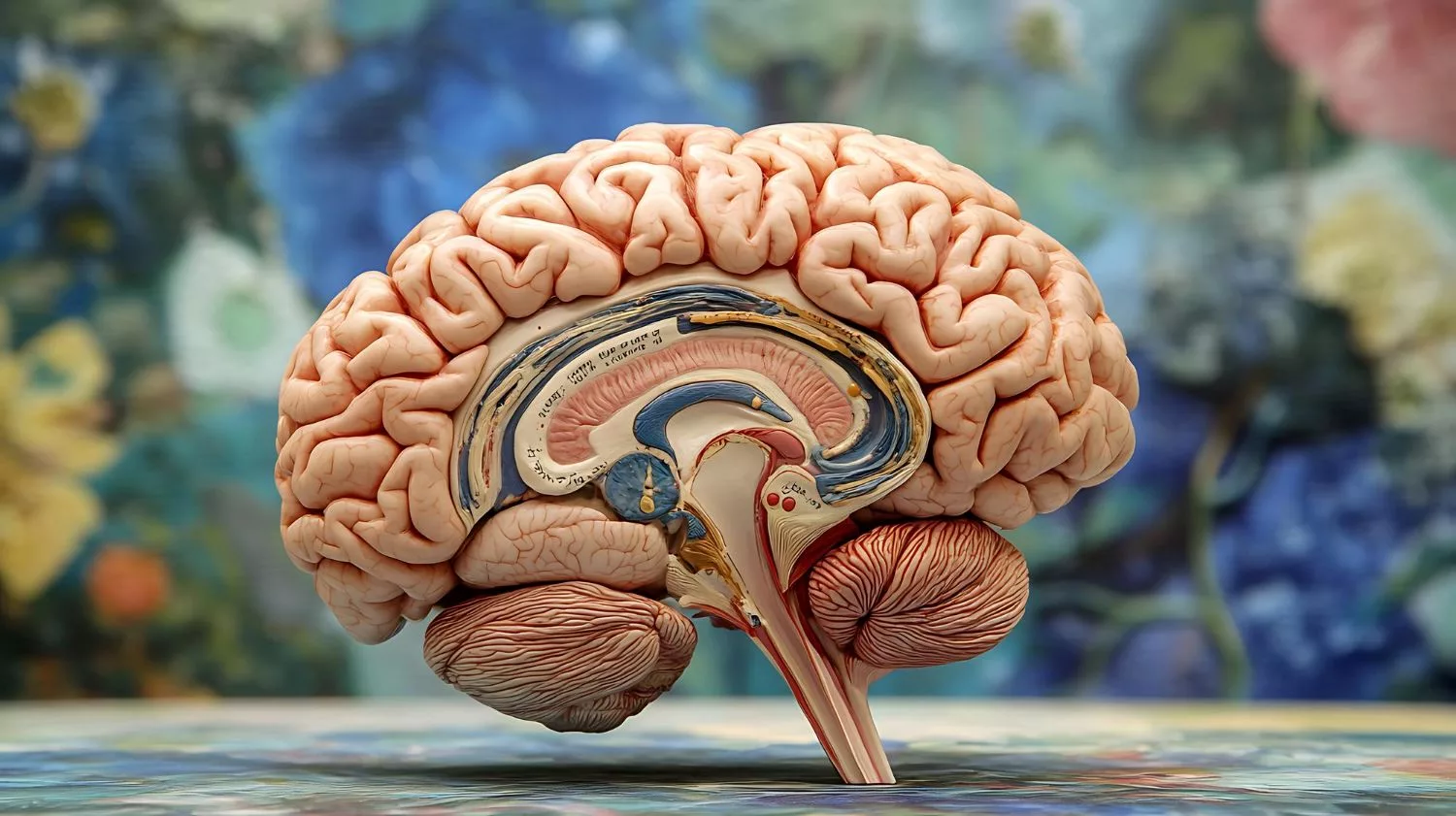
Depression Triggers Volume Loss in Memory Brain Areas
 Image: Primary
 USC researchers said depression in cognitively healthy older adults is linked to smaller volume in a specific hippocampal subfield, according to a study published in Translational Psychiatry. The team analyzed high-resolution MRI scans from 2,009 adults aged 50 to 90 enrolled in the HABS-HD initiative.
Participants with depression showed significantly smaller volumes in the CA23DG subfield, which combines the CA2, CA3, and dentate gyrus regions involved in memory retrieval and pattern separation. No significant differences were found in the CA1 or subiculum subfields. The association persisted after accounting for Alzheimer's biomarkers including amyloid, tau, and the APOE ε4 allele.
Lead author Danielle Luu said the findings identify a specific area sensitive to depression in older adults. Senior author Meredith N. Braskie said studying subfields provides a more precise picture of how depression relates to brain health during aging. Director Arthur W. Toga said understanding these links may help identify people at risk and guide personalized approaches to protecting brain health.
Depressed participants using antidepressants had smaller CA1 and CA23DG volumes than non-medicated peers, though researchers cautioned this likely reflects greater disease severity or duration rather than medication effects.
Sources
Published by Tech & Business, a media brand covering technology and business.
This story was sourced from Neuroscience News and reviewed by the T&B editorial agent team.
Back to Newswire