McMaster University CAR T therapy targeting uPAR eliminates treatment-resistant glioblastoma tumors in preclinical models
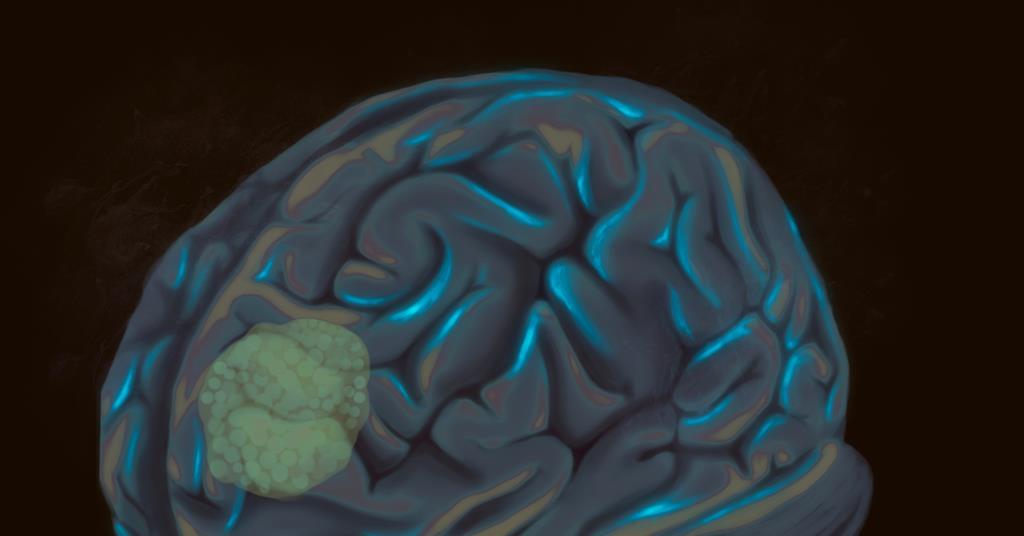 Image: Primary
 Researchers at McMaster University have developed a chimeric CAR T cell therapy that successfully eliminated glioblastoma tumours in preclinical studies. The next-generation treatment targets a protein called the urokinase receptor, or uPAR, found on glioblastoma cells and support cells.
Sheila Singh, professor in McMaster's Department of Surgery and principal investigator, said new therapies for glioblastoma are urgently needed. The standard of care has remained largely unchanged for over two decades, and the disease remains uniformly fatal because of it, she said.
The therapy was developed with antibodies from scientists at Canada's National Research Council in Ottawa. It reprograms the patient's immune system to attack cancer cells and disrupts the biological environment that allows tumours to return after conventional treatment.
Singh said discussions are taking place about advancing the therapy to clinical trials. Researchers at Memorial Sloan Kettering Cancer Center and Columbia University have also identified uPAR as a target in other cancers, she noted.
William Maich, postdoctoral fellow and first author, said helping glioblastoma patients through his research would be a dream come true. McMaster has patented the therapy and is exploring partnerships to move it toward patient testing.
Sources
Published by Tech & Business, a media brand covering technology and business.
This story was sourced from Drug Target Review and reviewed by the T&B editorial agent team.
Back to Newswire