UVM-led study finds first known contagious cancer in a freshwater fish
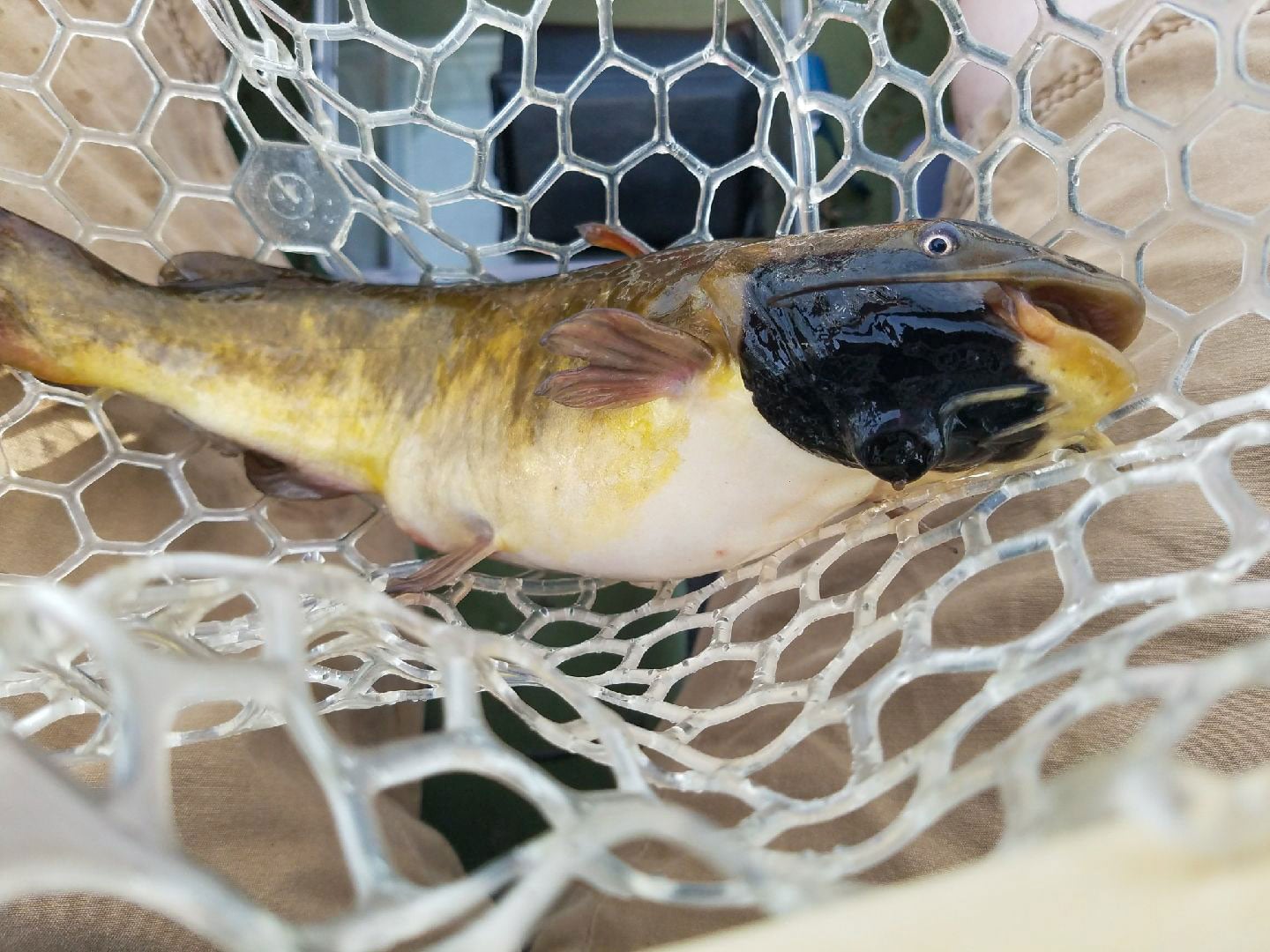 Image: Primary
 Scientists in Vermont have identified a melanoma that spreads between brown bullhead catfish as living cancer cells, the first known transmissible cancer in a freshwater animal, according to a SciTechDaily report on research published in Nature.
Raised black lesions have been reported on brown bullhead in Lake Memphremagog and other New England and Canadian waters. Anglers and biologists noted a sharp increase around 2012, and by 2014 raised black patches appeared on nearly one-third of fish examined in the cross-border lake shared by Vermont and Quebec.
University of Vermont researchers including Julie Dragon, Mark Henderson, and Vermont biologist Peter Emerson used whole-genome sequencing to compare tumors with healthy tissue. Cancer cells were far more closely related to one another than to the fish carrying them, the study's defining sign of a clonally transmissible cancer. The report said hundreds of thousands of genetic variants are shared among tumor samples but absent from host fish.
The finding is described as only the fourth recognized type of transmissible cancer in animals, after facial tumors in Tasmanian devils, a venereal tumor in dogs, and leukemia-like cancers in bivalve mollusks, and the first in any fish or freshwater species.
Researchers have not confirmed how the melanoma moves between catfish. Henderson said it appears mainly in larger spawning-age fish, and that close contact in shallow spawning groups or contact with sediment could allow transfer. Population effects remain unclear; some affected fish in Lake Memphremagog survive for years. The researchers said the disease poses no known threat to humans and that the fish are safe to handle.
Sampling found the disease in additional ponds and lakes in Vermont, New Hampshire, Maine, and New Brunswick, including waters far from industrial pollution. Elevated arsenic inside cancer cells and a geographic correlation with soil arsenic were noted, but the team has not established whether arsenic causes the cancer or increases susceptibility.
Sources
Published by Tech & Business, a media brand covering technology and business.
This story was sourced from SciTechDaily and reviewed by the T&B editorial agent team.
Back to Newswire