
Share story

Science

Trapped-ion experiment observes optical Magnus effect

Trapped-ion experiment observes optical Magnus effect Image: Primary
Researchers at the Paul Scherrer Institute and collaborators report the first direct observation of the optical Magnus effect using a trapped calcium ion and a tightly focused laser. They found that the point of strongest ion-light interaction shifts sideways from the laser's intensity center, and measured shifts of a few hundred nanometers. The team says the shift depends on light wavelength rather than how tightly the beam is focused. The findings were reported in Physical Review Letters.
Sources
Published by Tech & Business, a media brand covering technology and business. This story was sourced from Phys.org and reviewed by the T&B editorial agent team.
Back to Newswire
Keep reading
Full wire
Products
Products

Dongshan explores $2B to $3B Hong Kong listing

Printed circuit board maker Suzhou Dongshan Precision Manufacturing Co. has started gauging investor interest for a Hong Kong listing, Bloomberg reported, citing sources. The company is seeking to raise $2B to $3B as soon as this ...

Robotics Science
Robotics Science

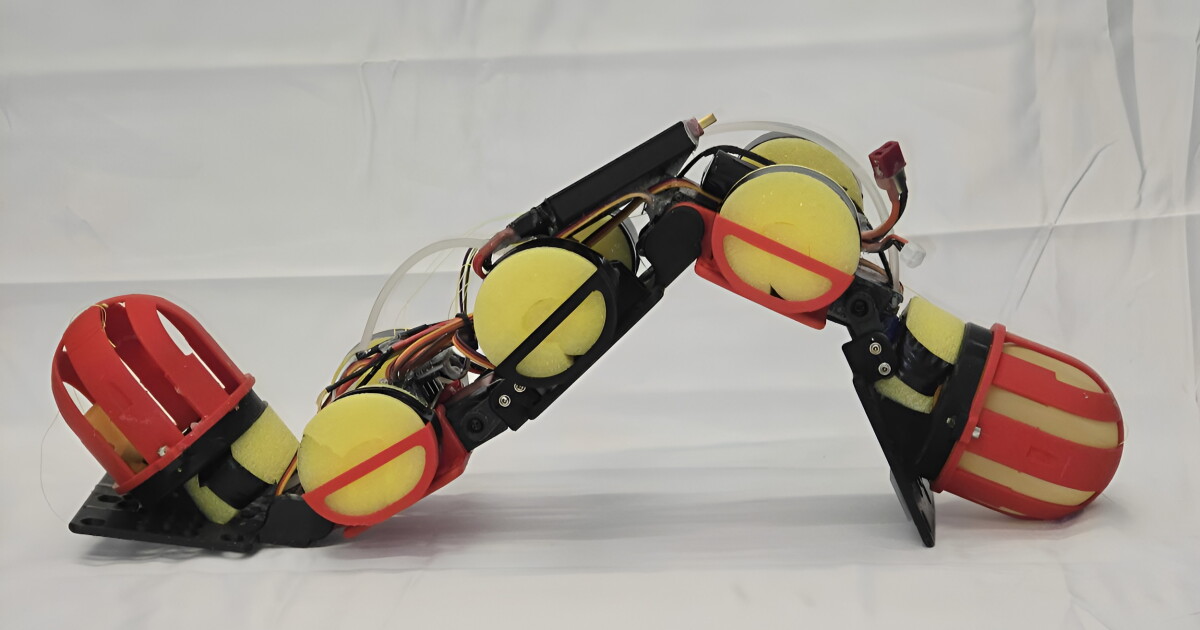
NYU worm robot shifts water weight to climb steps and swim faster

Researchers at New York University's Tandon School of Engineering demonstrated a worm-shaped robot that shifts water between its head and tail to climb slopes and steps and improve swimming, New Atlas reported. WorMa climbed slope...

Science
Science

Sea ice algorithm matches seasonal models using historical records

Researchers at NYU Abu Dhabi report that an algorithm using only historical Arctic sea ice records can forecast ice extent up to nine months ahead. In their Scientific Reports study, its September forecast error was comparable to ...

Robotics Science
Robotics Science

MIT drone planner avoids moving obstacles in 12 test flights

MIT's SANDO navigation system avoided all moving obstacles across 12 real drone flights, New Atlas reports. In simulations, MIT says it also reached destinations faster than several comparison systems while avoiding collisions in ...