Brain Activity Noise Linked to Autism Communication
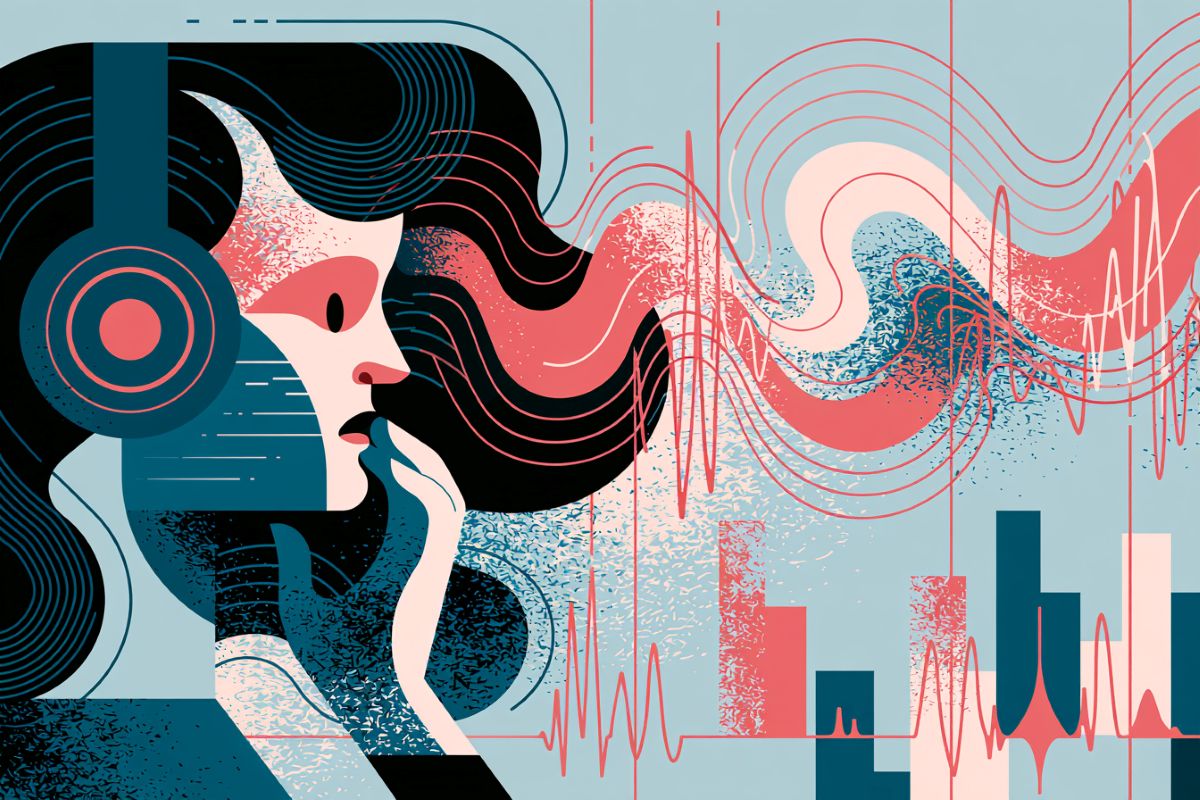 Image: Primary
 University of Virginia researchers said altered aperiodic brain signals serve as an objective biological marker of internal neural noise and predict real-world functional communication fluency in autistic youth.
The study published in Scientific Reports analyzed high-density electroencephalography data from 306 participants aged 7 to 18 including 162 autistic youths and 144 typically developing peers. Researchers isolated the brain's aperiodic signal which reflects the balance between neural excitation and inhibition. Autistic participants showed altered aperiodic patterns consistent with elevated neural noise suggesting less efficient speech processing.
Higher neural noise metrics correlated with lower scores on everyday functional verbal communication but not with vocabulary or grammar skills. The research team included scientists from UVA's schools of Medicine and Data Science along with colleagues from Seattle Children's Research Institute the University of Washington Yale University and UCLA.
UVA neuroscientist Kevin Pelphrey said the findings are an important step toward understanding neural mechanisms underlying communication in autism. The researchers cautioned the findings do not represent a diagnostic test but a biomarker that could help monitor communication changes or measure therapy effects. Advanced computational analytics enabled extraction of subtle patterns from massive electrical data streams.
Authors noted most participants had average or above-average verbal skills and future studies will test if thresholds extend to minimally verbal individuals.
Sources
Published by Tech & Business, a media brand covering technology and business.
This story was sourced from neurosciencenews.com and reviewed by the T&B editorial agent team.
Back to Newswire