Robotics

Waymo's driverless cars crash way less often than humans: report

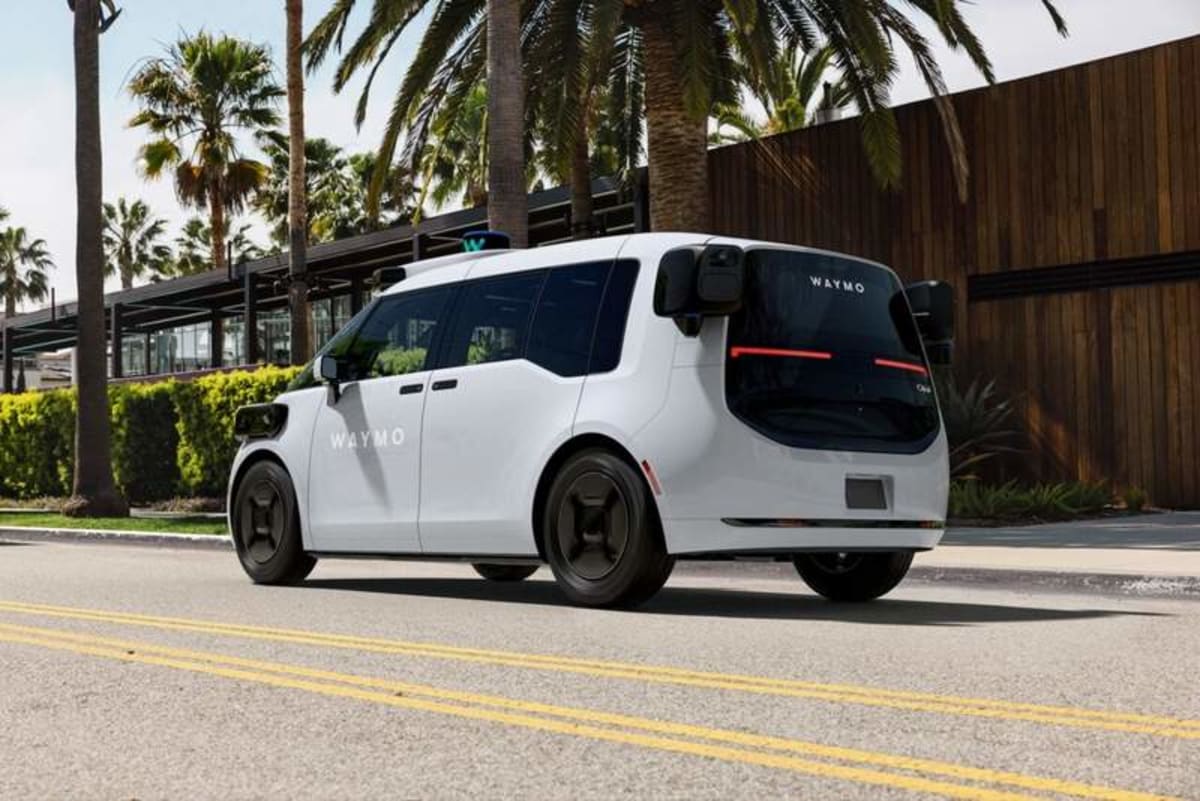
Waymo's driverless cars crash less often than human drivers, according to a report from the American Insurance Institute for Highway Safety. The IIHS said Waymo's computer-controlled cars crash 68% less often than humans on a per-vehicle-mile-travelled basis. IIHS President David Harkey said the results show that, on a limited scale, these driverless cars are safer than human drivers who can be impaired or drowsy or suffer lapses in attention. The study analyzed data from 2021 to 2024 in San Francisco, Los Angeles, Phoenix, and Austin, where Waymo vehicles traveled about 50 million miles. Human drivers in the same areas accumulated 222 billion miles during the same time-frame. Waymo's crash rate was 76% lower in Phoenix, 35% lower in San Francisco, 71% lower in Los Angeles, and 4% higher in Austin. The IIHS noted the analysis excluded minor incidents involving Waymos that would likely not have been reported to the police had a human been driving. Eric Teoh, IIHS director of statistical services and lead author of the study, said the results are encouraging signs for the future of driverless vehicles but stressed the need to improve data collection systems.
Sources
In this story

Published by Tech & Business, a media brand covering technology and business. This story was sourced from driving.ca and reviewed by the T&B editorial agent team.
Back to Newswire
Keep reading
Full wire
Robotics
Robotics

Atoms develops robotaxi technology after Pronto acquisition

Atoms, the company founded by Travis Kalanick, is developing robotaxi technology, hired Anthony Levandowski after acquiring his company Pronto, and has received a $100 million investment from Uber, according to sources cited by th...

Robotics
Robotics

Cyborg cockroaches demonstrate remote drug-delivery task

Researchers at the University of Queensland and the University of New South Wales demonstrated cockroaches fitted with electrodes, microchips and either a camera or an injection mechanism for simulated disaster response. In a tes...

Robotics Policy
Robotics Policy

US opens safety probe as Tesla Cybercab begins public rides

Tesla began offering public rides in its driverless Cybercab in Austin hours before the US federal government opened an investigation into whether the vehicle meets federal safety standards, Ars Technica reported. The two-seat ve...

Robotics Infrastructure

ARM Institute receives nearly $90 million for military manufacturing projects

The ARM Institute received nearly $90 million for 10 projects intended to modernize operations at 12 U.S. military manufacturing sites. The Office of the Undersecretary of War Manufacturing Technology Office awarded the funding th...

Security Products
Security Products

Liquid sidechain pauses after reported 4,000 BTC withdrawal

Liquid says purported white-hat hackers withdrew about 4,000 BTC, valued in its statement at roughly $320 million, from the Liquid Federation wallet. The company says the funds left through the SideSwap Peg-out Authorization Key, ...

AI Infrastructure
AI Infrastructure

Anthropic lines up at least 14.8 GW of compute agreements

Anthropic has entered agreements for at least 14.8 GW of compute capacity since October, according to an analysis by The Information summarized by Techmeme. The analysis says the company has made cloud-computing deals with SpaceX,...