Malaria Resurgence Near Amazon Dam Traced to Forest-Edge Ecology, Not Just Deforestation
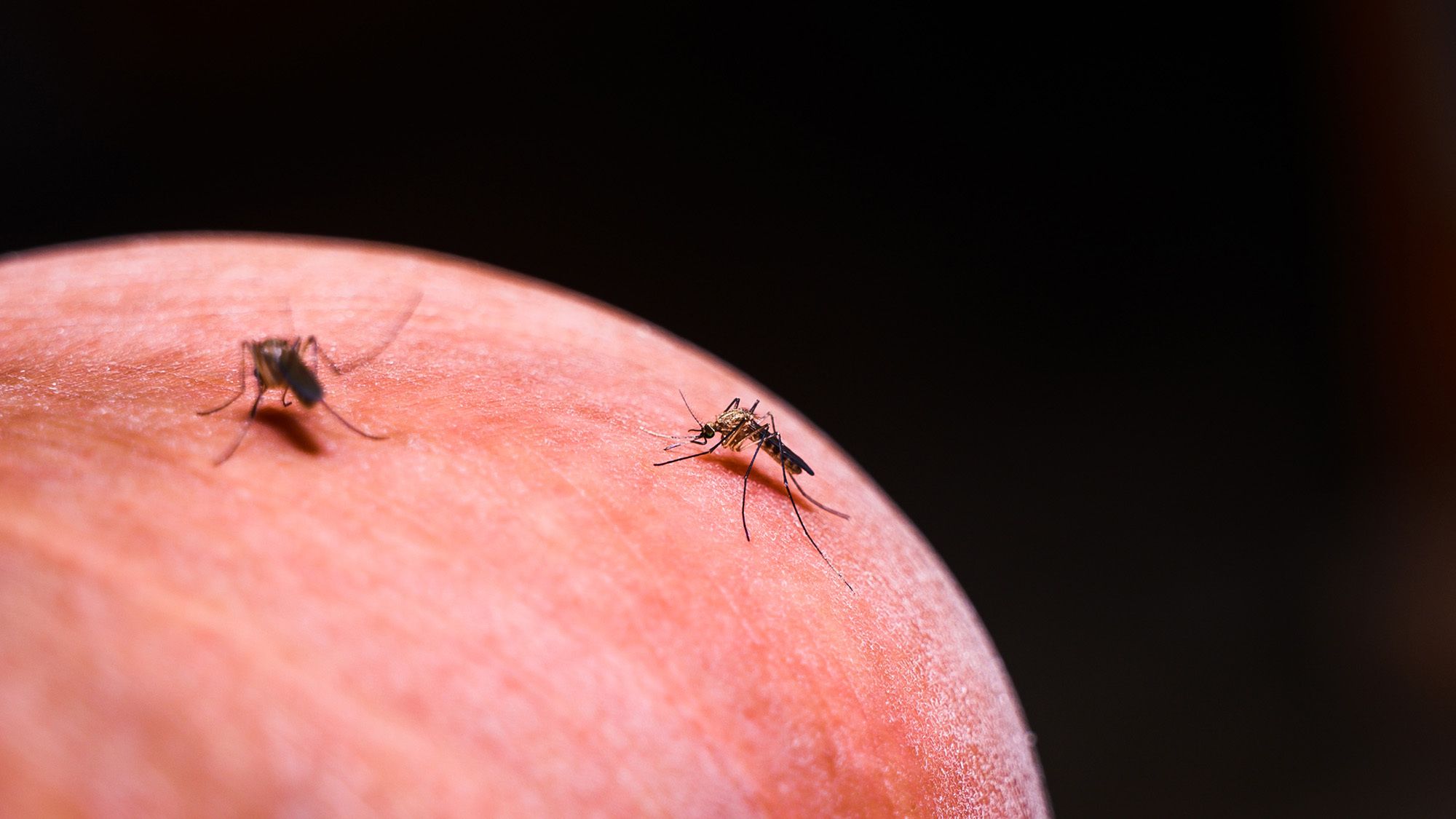 Image: Primary
 A study published Thursday in GeoHealth traces a malaria rebound near Brazil's Belo Monte Dam to the ecology of forest edges rather than deforestation alone. Researchers analyzed 15 years of malaria surveillance records and satellite imagery around Altamira, where a control campaign during dam construction (2013-2017) cut annual cases from over 1,200 to under 60. After the program ended, cases rose back above 700 per year, concentrated in rural communities along the Xingu River.
Earlier research linked dam construction and forest clearing to malaria by creating mosquito breeding habitat. But the new analysis found case numbers tracked most closely with the total length of forest edge, the boundary where intact forest meets cleared land, not the total area deforested. At these edges, mosquitoes find shade from the canopy, sunlit pools for larvae, and human hosts nearby.
The findings suggest that maintaining surveillance and vector control along forest-frontier settlements may be as critical as reducing deforestation for sustaining malaria gains in the Amazon. The Belo Monte complex, one of the world's largest hydroelectric projects, displaced over 20,000 people and flooded 190 square miles of forest, creating thousands of miles of new forest edge.
Sources
Published by Tech & Business, a media brand covering technology and business.
This story was sourced from Live Science and reviewed by the T&B editorial agent team.
Back to Newswire