Soft Robotic Heart Mimics Stiff-Heart Condition to Help Researchers Study Heart Failure
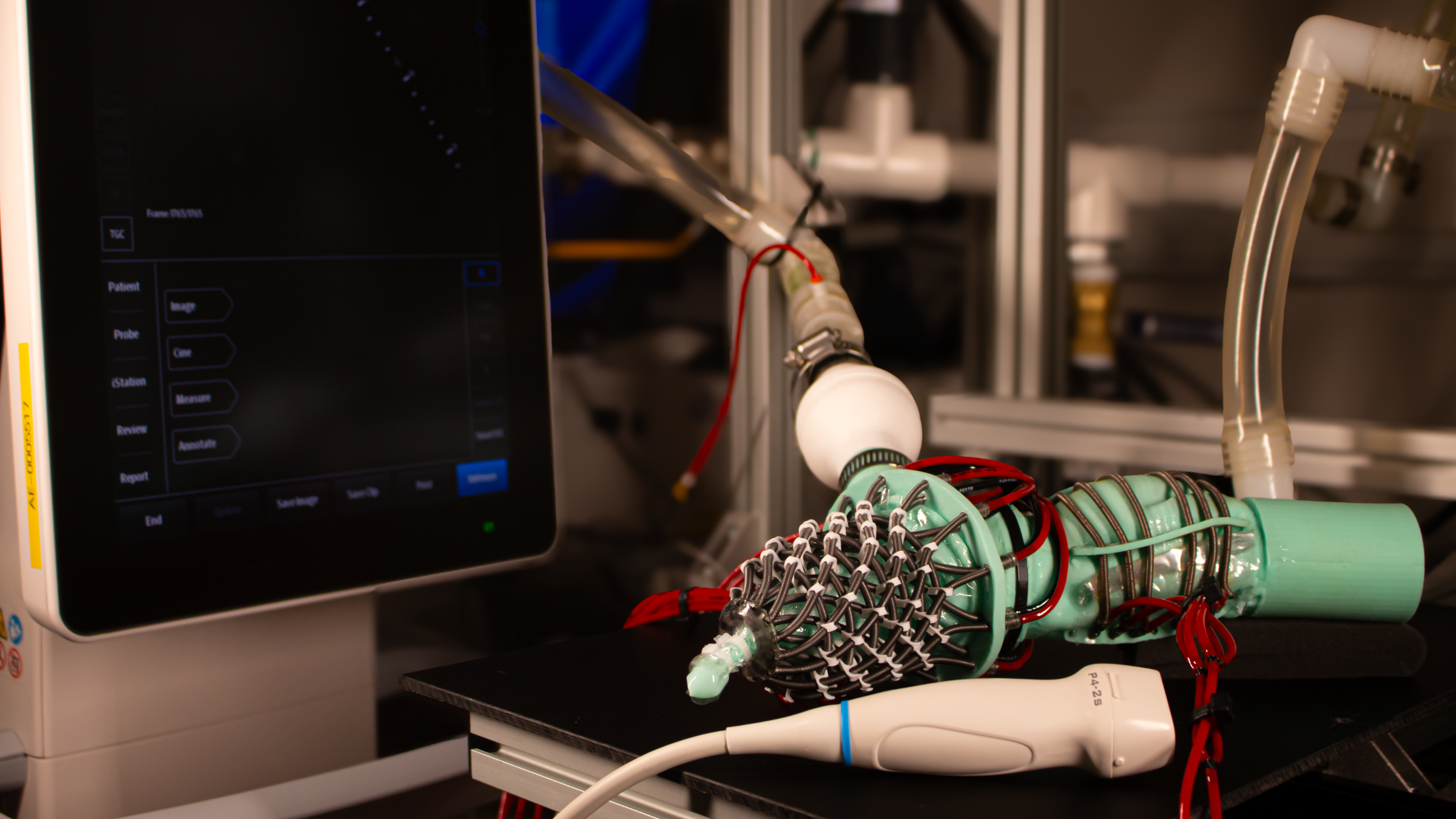 Image: Primary
 Researchers have built the first soft robotic heart that can actively adjust its stiffness in response to pressure changes, providing a new platform for studying heart failure with preserved ejection fraction (HFpEF), a condition affecting over 3 million Americans in which the heart pumps normally but becomes too stiff to fill properly.
Described June 1 in Nature Communications, the device uses artificial muscle fibers that sense the hydraulic pressure of the fluid they pump and dynamically contract or relax against it. This feedback mimics the mechanical behavior of a diseased human heart more faithfully than rigid mock circulation loops or animal models.
"HFpEF has been notoriously difficult to study and treat," said co-author Thanh Nho Do, a biomedical engineer at the University of New South Wales. Abnormal stiffness, not weakened pumping, is the core problem, and until now researchers lacked a bench-top model that could reproduce that stiffness dynamically.
Earlier soft robotic hearts could replicate cardiac motion but followed preset commands that did not adapt to changing loads. The new system closes the loop: the artificial muscle senses pressure and modulates its own tone, enabling researchers to dial in specific stiffness profiles and test how candidate drugs or devices affect filling dynamics.
Current HFpEF treatments are limited because the condition's mechanisms remain poorly understood. The researchers plan to use the platform to screen therapeutic candidates and study how comorbidities like hypertension and obesity alter cardiac mechanics. The device is not intended for implantation.
Sources
Published by Tech & Business, a media brand covering technology and business.
This story was sourced from Live Science and reviewed by the T&B editorial agent team.
Back to Newswire