MIT-Led Project Opens First 'Adaptation Fortress' Climate Shelter in Bangladesh
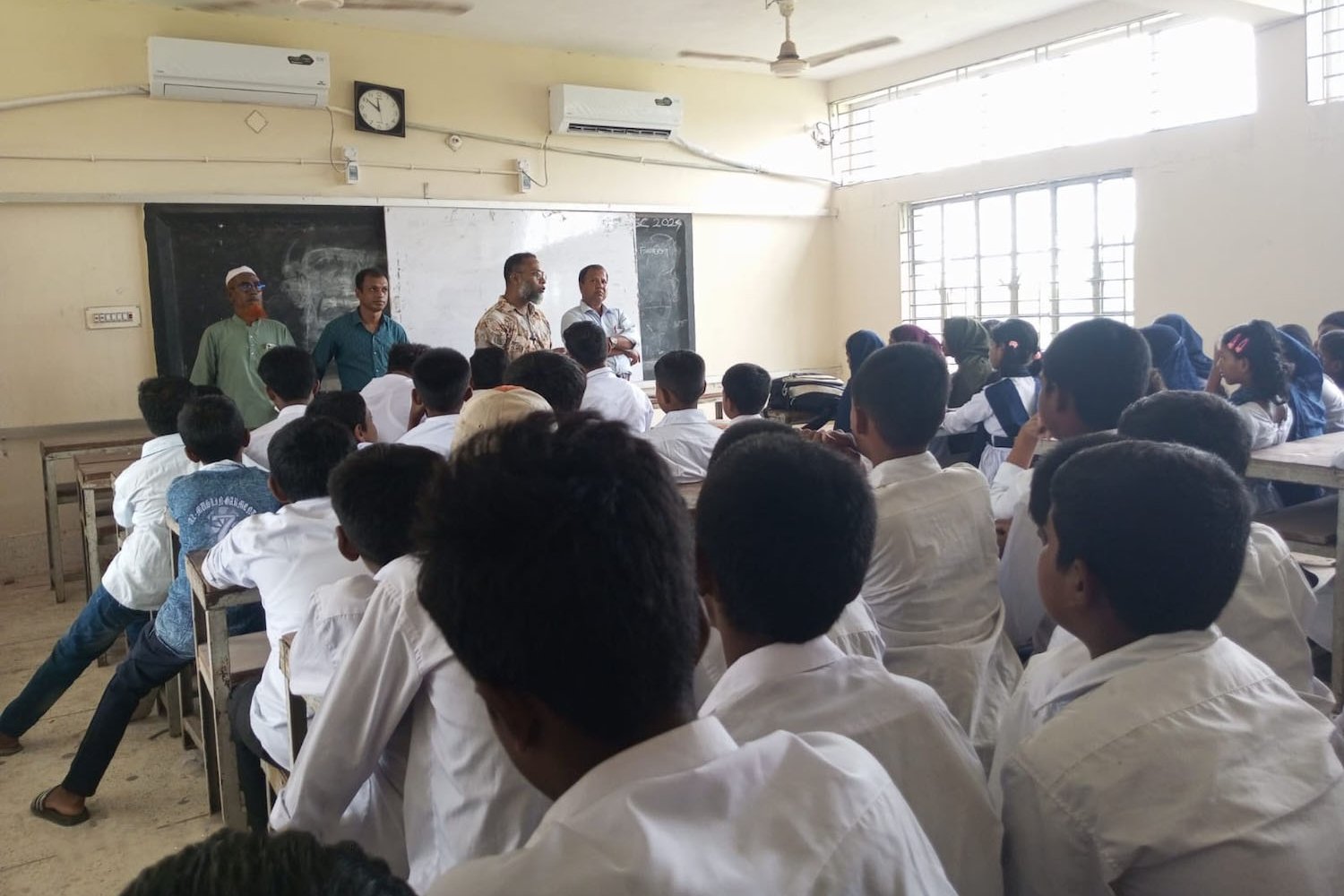 Image: Primary
 A solar-powered community shelter designed to serve as both a daily school and a year-round climate refuge has opened in southwestern Bangladesh, marking the first deployment of the MIT-led Jameel Observatory-CREWSnet project.
Located at the Baradal Aftab Uddin Collegiate School in Satkhira district, the "adaptation fortress" can shelter up to 200 people in air-conditioned rooms during government-declared heat emergencies and up to 500 during cyclones. The region faces compounding threats: summer heatwaves now reach 44 degrees Celsius (111 Fahrenheit), while tropical cyclones strike the low-lying coast with increasing frequency.
The facility transforms the traditional cyclone shelter model, typically a concrete building used only during storms, into a permanent community resilience hub. Solar panels and battery storage power the cooling systems and water purification year-round. During normal conditions, the building operates as a school for 600 students.
The project represents a shift from reactive disaster response to proactive adaptation, according to MIT professor John Fernandez, director of the Jameel Observatory-CREWSnet, one of five MIT Climate Grand Challenges flagship projects. The same infrastructure that saves lives during a cyclone can reduce heat stress, provide clean water, and serve as a community anchor every day.
The project integrates early-warning data from the Bangladesh Meteorological Department with community-based monitoring to trigger automated alerts. When heat or cyclone thresholds are crossed, the system notifies local leaders and activates the shelter's systems remotely.
Funded by Community Jameel and developed with BRAC University and the International Centre for Climate Change and Development, the Satkhira site is the first of five planned for Bangladesh's climate-vulnerable coastal zone. The team aims to refine the model for replication across the Global South.
Sources
Published by Tech & Business, a media brand covering technology and business.
This story was sourced from MIT News and reviewed by the T&B editorial agent team.
Back to Newswire