Science

Climate change may make parts of West and Central Africa too hot for malaria mosquitoes while shifting risk elsewhere

New Scientist posted on Aug. 2 that global warming may make it too hot for malaria-carrying mosquitoes to survive in parts of West and Central Africa while shifting the risk to less affected areas. The post links to an article describing how climate change could eliminate malaria from some regions. The article says rising temperatures may exceed the thermal limits of the mosquitoes that transmit the disease. At the same time the changing climate could expand suitable habitat for the vectors into areas that currently have lower malaria burdens. The findings highlight a geographic redistribution of disease risk rather than a simple reduction.
Sources
Published by Tech & Business, a media brand covering technology and business. This story was sourced from newscientist and reviewed by the T&B editorial agent team.
Back to Newswire
Keep reading
Full wire
Security Infrastructure

Port of Los Angeles reports 120 million cyberattack attempts

The Port of Los Angeles foiled more than 120 million cyberattack attempts in August, according to Bloomberg. The U.S.'s busiest container port for global trade faces a persistent operational threat while navigating shifting tariff...

Security
Security

Cisco warns of actively exploited ISE authentication bypass

Cisco warned that CVE-2026-76460, a maximum-severity flaw in Identity Services Engine and ISE Passive Identity Connector, is being actively exploited. The reported API authentication-control weakness can let an unauthenticated rem...

Capital Security
Capital Security

Comp AI raises $34 million Series A for compliance platform

Cybersecurity and compliance startup Comp AI has raised a $34 million Series A led by Roo Capital and Grand Ventures. The company says its platform uses AI agents to draft security policies, collect audit evidence and continuousl...

Capital Robotics
Capital Robotics

Treble raises €15 million for acoustic AI simulation

Reykjavík-based Treble raised approximately €15 million in a Series A-2 round led by Paladin Capital Group, bringing its total funding to €36 million. Treble's cloud platform models sound in physical spaces to create synthetic aud...

Science
Science

Phase-one mesothelioma study reports PRX3 inhibitor results

Researchers at the University of Vermont and collaborators reported phase-one results for RSO-021, a clinical formulation of thiostrepton, in relapsed mesothelioma. In 15 patients, the trial controlled disease progression in 67%;...

Robotics Science
Robotics Science

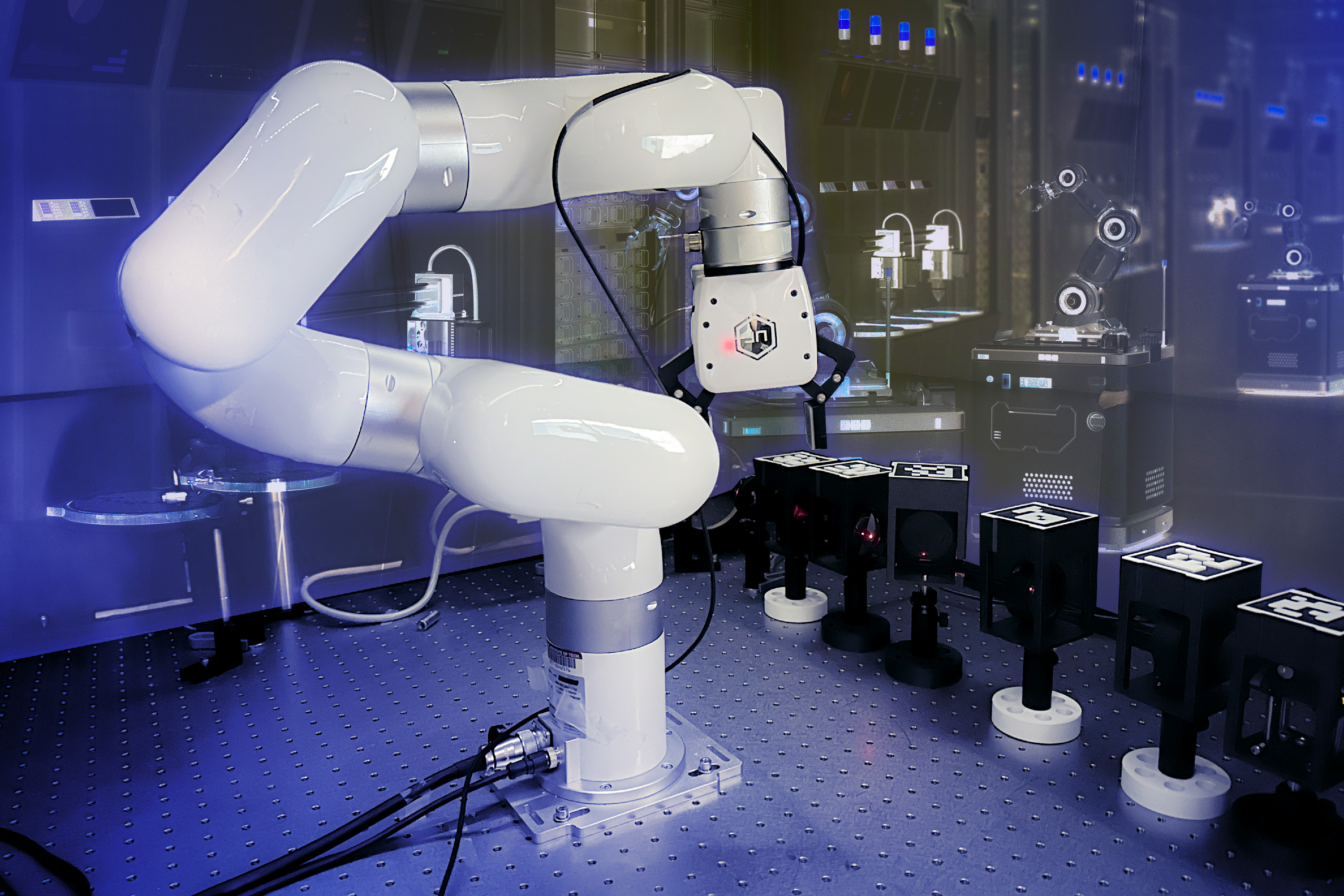
MIT demonstrates reconfigurable robotic optics lab

MIT researchers demonstrated a reconfigurable robotic optics lab that autonomously assembled and tuned a tabletop laser cavity. The seven-jointed arm picked, placed and adjusted optical components, completing 50 maneuvers within 3...