Bacteria lock dissolved uranium into stable form with glycerol, Nature Communications study finds
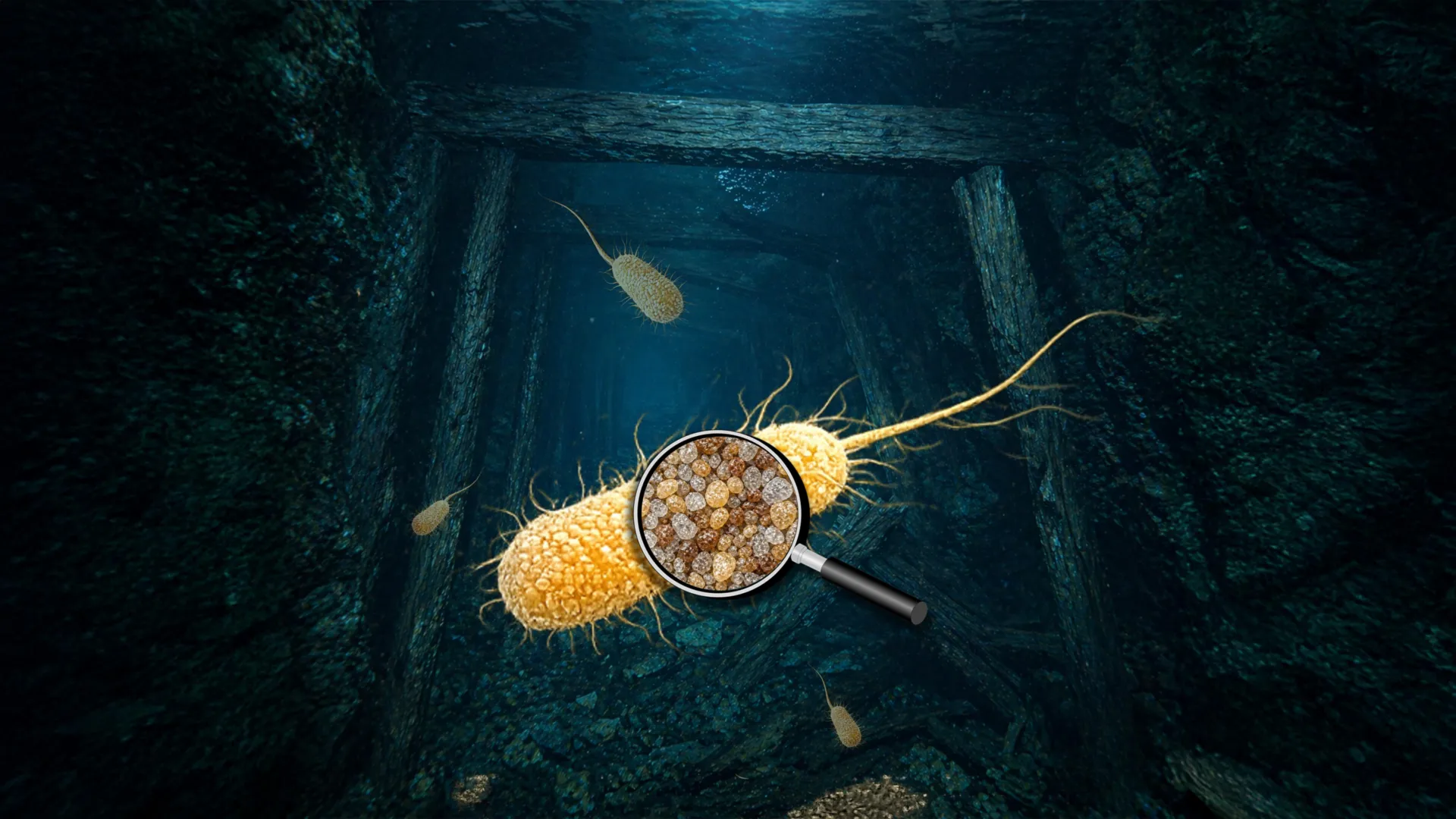 Image: Primary
 Researchers at Helmholtz-Zentrum Dresden-Rossendorf, working with Wismut GmbH and the University of Granada, showed that bacteria can convert uranium dissolved in water into a stable chemical compound when glycerol is available as food, according to a ScienceDaily report on a Nature Communications paper.
The team collected mine water from a flooded uranium mine in the Ore Mountains and added glycerol in the laboratory. After 130 days, only around five percent of the dissolved uranium remained in the samples, with uranium accumulating in bacterial cell walls. Spectroscopy at the Rossendorf Beamline at the European Synchrotron Radiation Facility and work at Granada found an unusually high share of pentavalent uranium, a state long treated as rare or temporary.
The pentavalent uranium combined with iron and oxygen as FeU(V)O4, a compound earlier seen as stable for more than 25 years in Croatian samples contaminated by uranium ammunition. Co-author Evelyn Krawczyk-Bärsch said the study is the first to show glycerol-fed bacteria can form that stable product from dissolved uranium, while further work is needed on remediation use.
Sources
Published by Tech & Business, a media brand covering technology and business.
This story was sourced from ScienceDaily, Nature Communications and reviewed by the T&B editorial agent team.
Back to Newswire