Share story

AI Products

Instinct and Meta's Muse add business-calling features

Instinct and Meta's Muse add business-calling features Image: Primary
Instinct has begun early access rollout of Concierge, a feature that lets its AI agent place calls for tasks such as restaurant bookings and account problems, TechCrunch reported. Meta's Muse has also gained the ability to call U.S. businesses; Meta said it will initially offer the feature to users who request it. Instinct's founder said Concierge will expand to all users over time. The additions give the text-based agents a way to carry out tasks with businesses that cannot be completed online.
Sources
In this story

Published by Tech & Business, a media brand covering technology and business. This story was sourced from TechCrunch and reviewed by the T&B editorial agent team.
Back to Newswire
Keep reading
Full wire
Capital Infrastructure

Re:Build raises $2.1 billion to expand manufacturing capacity

Re:Build raised $2.1 billion to expand its capacity to manufacture hard tech products and launch industrial startups, TechCrunch reported. General Catalyst and JPMorganChase's Strategic Investment Group led the investment in the Massachusetts-based manufacturing accelerator.

AI
AI

DeepSeek releases open-source prototype for team coding tasks

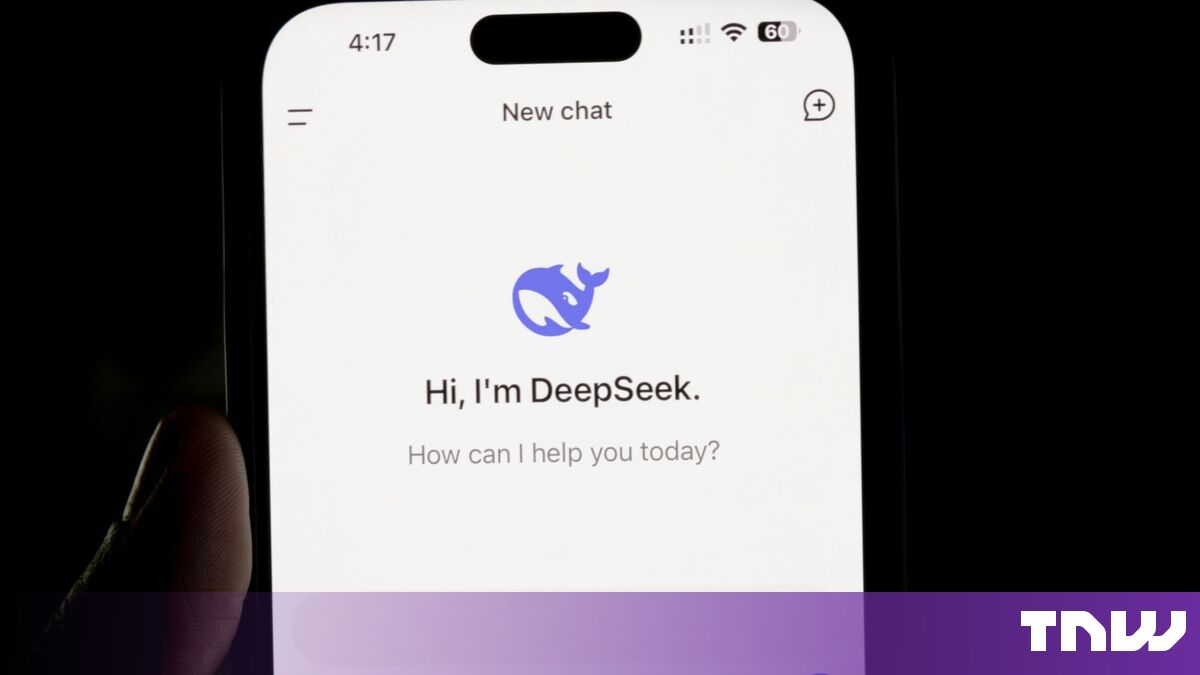
DeepSeek released Super-Agent, an experimental coding agent, on GitHub under an MIT licence, The Next Web reported. The project works on one GitHub repository and can listen to Feishu, ByteDance's workplace chat app.

AI Capital
AI Capital

Lumaril raises $66 million for industrial AI software

Lumaril raised a $66 million Series A at a $400 million valuation, The Wall Street Journal reported. The company develops AI software that connects to manufacturers' existing control systems to optimize industrial production on factory floors.

Security Robotics
Security Robotics

VicOne reports 28 zero-day findings in software supporting robotics

VicOne says AI-assisted research identified 28 previously unknown vulnerabilities in less than two days across software supporting robotics, including projects developed or maintained by Google, NVIDIA and Meta. The findings span training, simulation and deployed operations.