Science study: collagen and calcium tune mechanical properties of snail mucus types
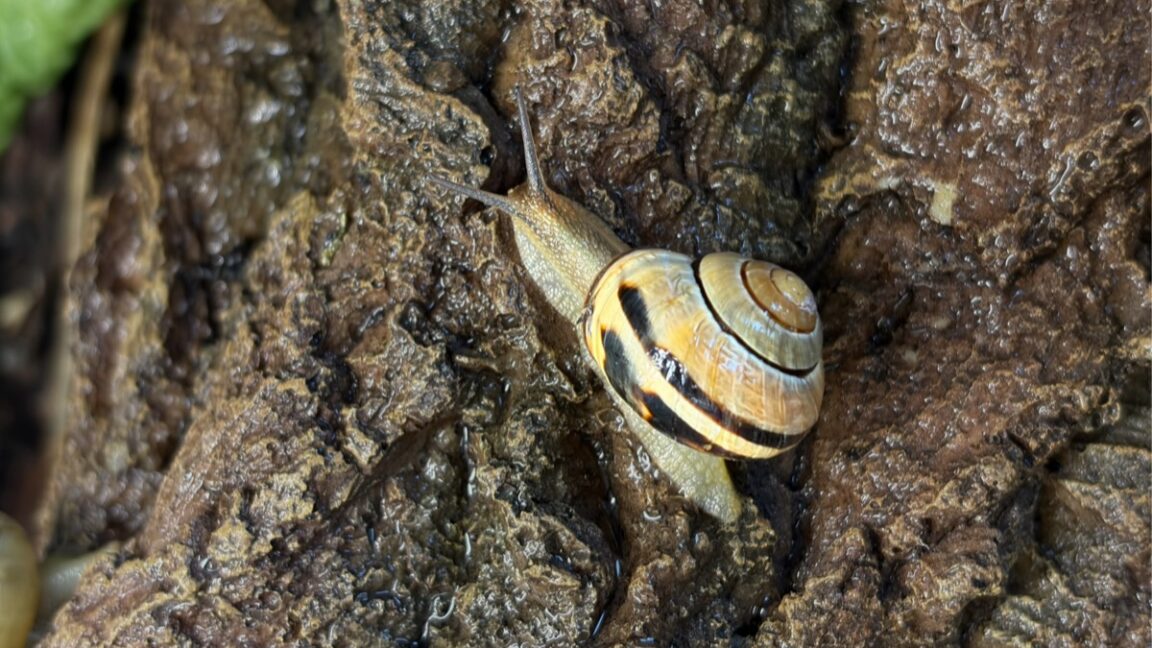 Image: Primary
 German scientists report that collagen and calcium work together to tune the mechanical properties of different snail mucus types, Ars Technica reported, citing a paper in Science.
The team studied the grove snail Cepaea nemoralis, which secretes multiple mucus forms including lubricant for locomotion, adhesive mucus, and an epiphragm layer used in hibernation. Prior work on garden snails had identified hydrating, adhesive, and lubricant secretions. Snail mucus is mostly water, with mucins and complex carbohydrates providing viscosity, and it has drawn interest for cosmetics and drug delivery.
Authors concluded that proteins tune cross-linking and network density, immediately affecting mechanical properties, and that each mucus type shows a distinct hierarchical structure shaped by processing. Calcium is actively secreted with the mucus as an ion source for cross-linking or a mineral precursor for reinforcement, the paper said.
Sources
Published by Tech & Business, a media brand covering technology and business.
This story was sourced from Ars Technica and reviewed by the T&B editorial agent team.
Back to Newswire