NASA's Cold Atom Lab upgrade creates ultra-cold quantum matter in space
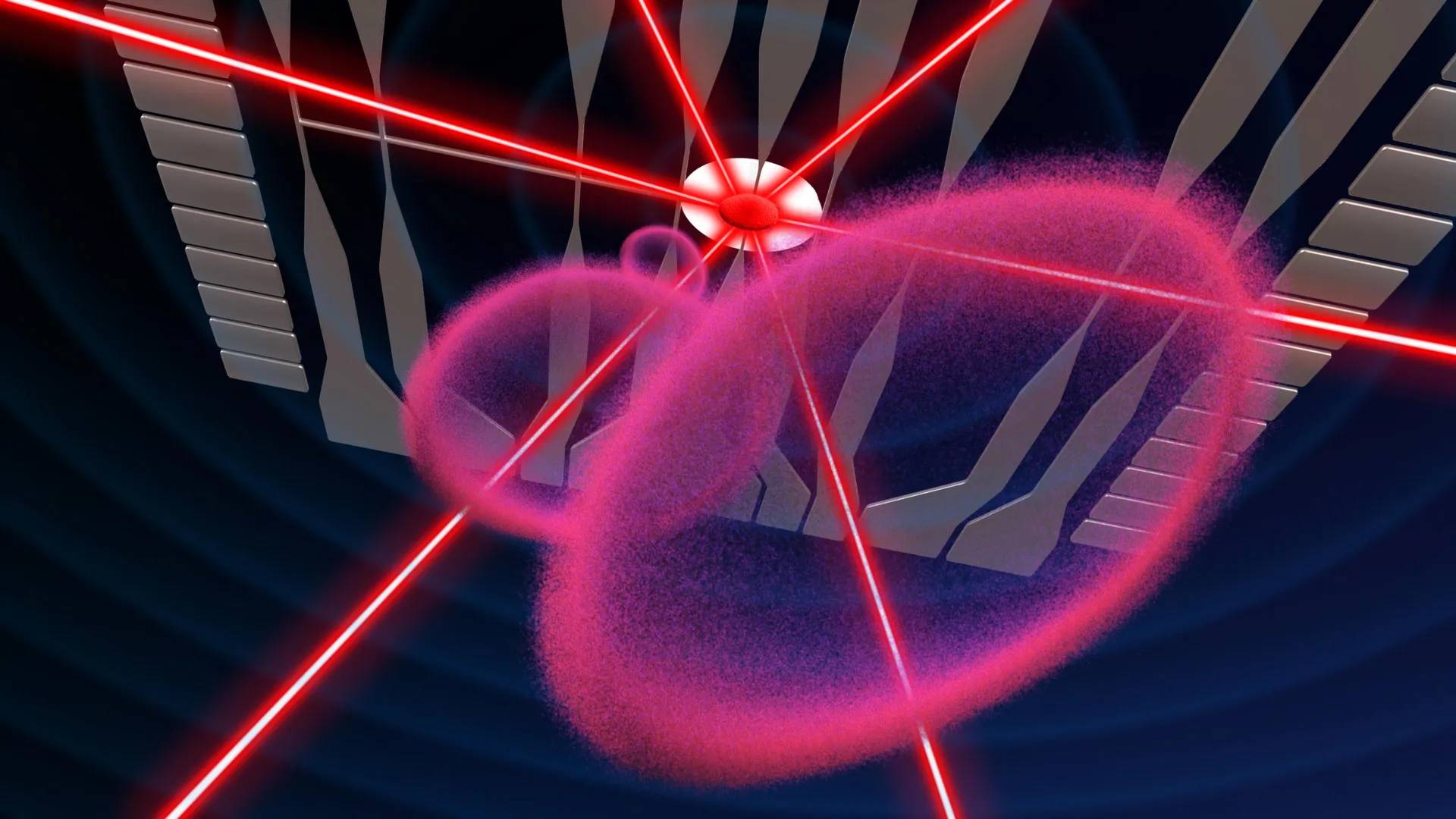 Image: Primary
NASA's upgraded Cold Atom Lab aboard the International Space Station is creating Bose-Einstein condensates from ultra-cold atoms. A newly upgraded science module arrived at the station on April 11 aboard a Commercial Resupply Services mission.
This is the fourth major upgrade since the lab was installed in 2018. The facility cools atoms to temperatures below minus 459 degrees Fahrenheit, which is minus 237 degrees Celsius. At these temperatures, atoms combine into a Bose-Einstein condensate, considered a fifth state of matter.
The microgravity environment allows the matter waves to become even larger than they can on Earth. The lab currently supports five international research teams studying fundamental physics. Engineers also introduced redesigned metal atom sources and a redesigned magnetic trap that can alter the shape of quantum gas clouds.
"As the first project to create Bose-Einstein condensates in orbit, we're demonstrating that we can make quantum technology work reliably in space," said Ethan Elliott, deputy project scientist for Cold Atom Lab at JPL. The Cold Atom Lab is managed by Caltech while NASA's Jet Propulsion Laboratory designed, built, and operates the facility.
It is sponsored by the Biological and Physical Sciences division within NASA's Science Mission Directorate.
Sources
In this story

Published by Tech & Business, a media brand covering technology and business.
This story was sourced from ScienceDaily/NASA and reviewed by the T&B editorial agent team.
Back to Newswire