Brain inspired machines are better at math than expected
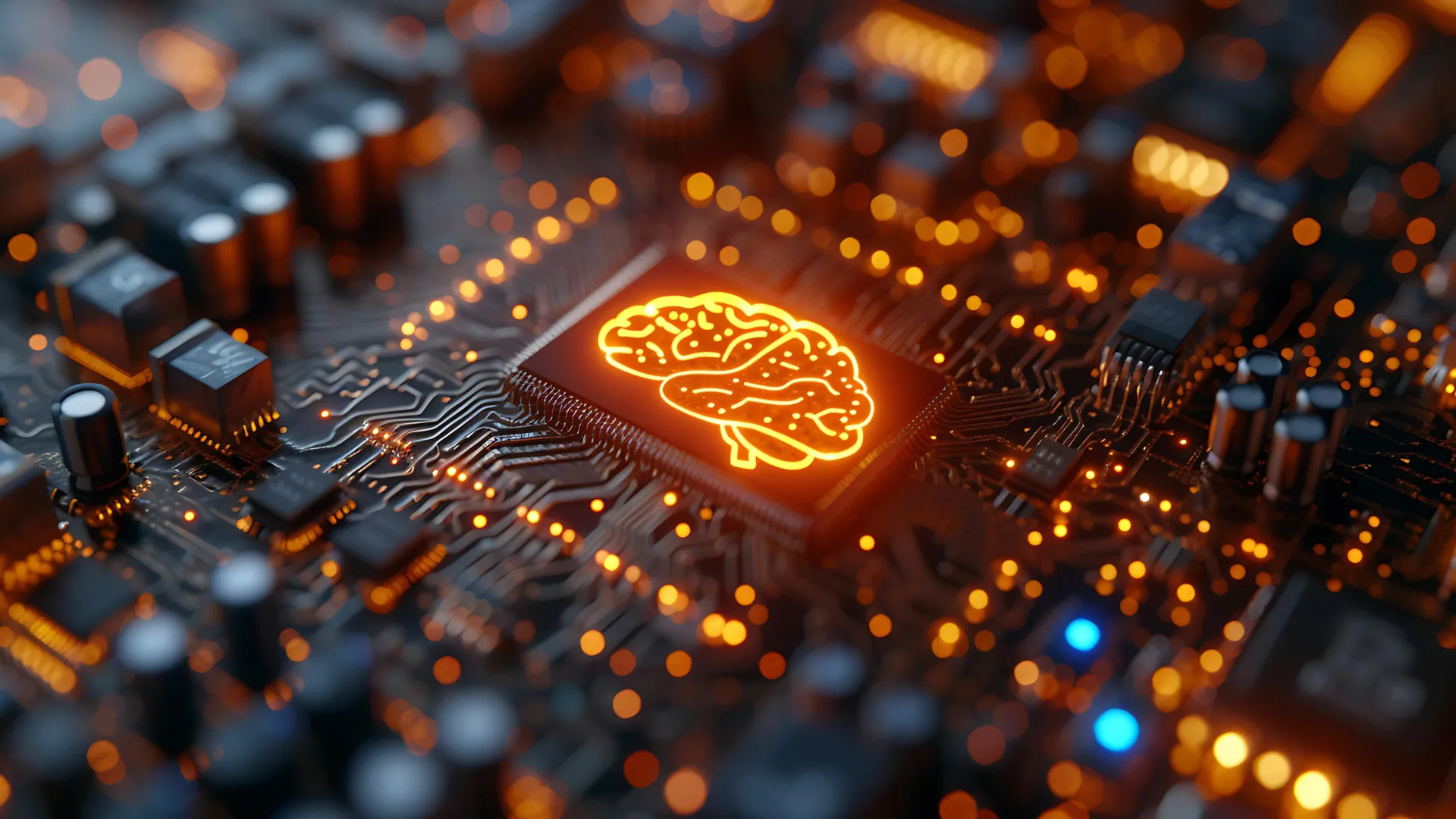 Image: Primary
 Computers designed to mimic the human brain can solve complex mathematical equations that traditionally require energy intensive supercomputers. Sandia National Laboratories computational neuroscientists Brad Theilman and Brad Aimone developed an algorithm that allows neuromorphic hardware to solve partial differential equations.
The equations form the basis for modeling fluid dynamics, electromagnetic fields and structural mechanics. The study was published in Nature Machine Intelligence. The results indicate that neuromorphic systems can handle these equations efficiently and could support development of the first neuromorphic supercomputer.
The research was funded by the Department of Energy Office of Science through its Advanced Scientific Computing Research and Basic Energy Sciences programs as well as the National Nuclear Security Administration Advanced Simulation and Computing program. The findings point to potential reductions in electricity use for simulations that support national security work.
Theilman and Aimone said the human brain routinely performs sophisticated computations such as motor control tasks. They noted that their circuit model from computational neuroscience has a link to partial differential equations that had not been identified previously. The work also raises questions about how the brain performs calculations and whether neurological disorders involve computational issues.
Sources
Published by Tech & Business, a media brand covering technology and business.
This story was sourced from ScienceDaily and reviewed by the T&B editorial agent team.
Back to Newswire