Rice gene discovery to reduce fertilizer needs
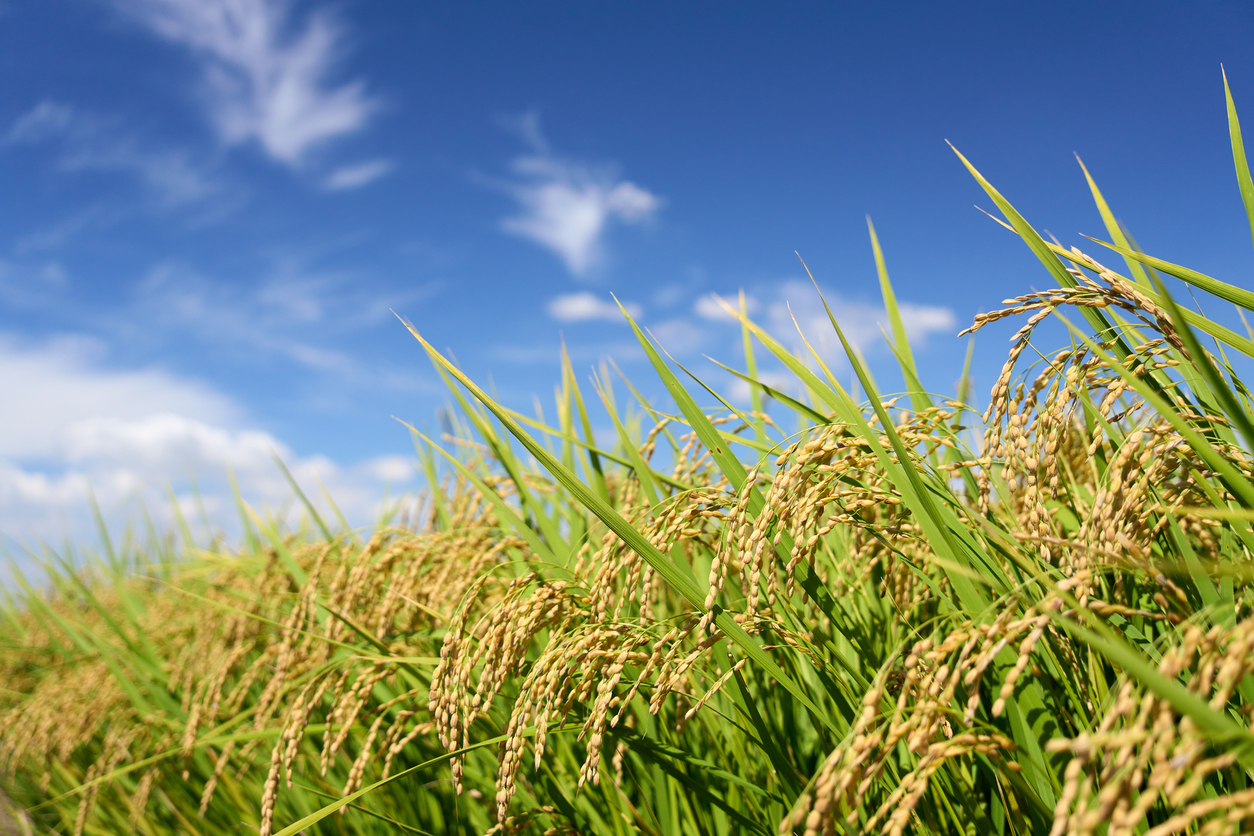 Image: Primary
 Researchers from the University of Oxford, Nanjing Agricultural University, and the Institute of Genetics and Developmental Biology of the Chinese Academy of Sciences have identified a master regulator gene in rice known as WRINKLED1a. The discovery was published in the journal Science in February 2026. The gene allows rice plants to maintain high yields with significantly reduced nitrogen fertilizer levels.
The gene serves as a biological switch that balances root and shoot growth. Plants facing low nitrogen typically divert energy to roots to scavenge nutrients, which stunts the growth of shoots that bear grain. Overexpressing the gene or using a superior natural version enabled rice plants to improve nitrogen uptake in roots while promoting branching in shoots.
Field trials demonstrated yield increases of up to 24 percent even under low fertilizer conditions. Rice serves as a staple for over half the world's population. Reduced dependence on synthetic nitrogen fertilizers addresses a major source of greenhouse gas emissions and water contamination.
Researchers are investigating whether similar master regulator genes can be found in other major crops including wheat and maize.
Sources
In this story

Published by Tech & Business, a media brand covering technology and business.
This story was sourced from ISAAA and reviewed by the T&B editorial agent team.
Back to Newswire