Consortium to build quantum-enabled "brain-on-chip" platform for neurological drug discovery and screening
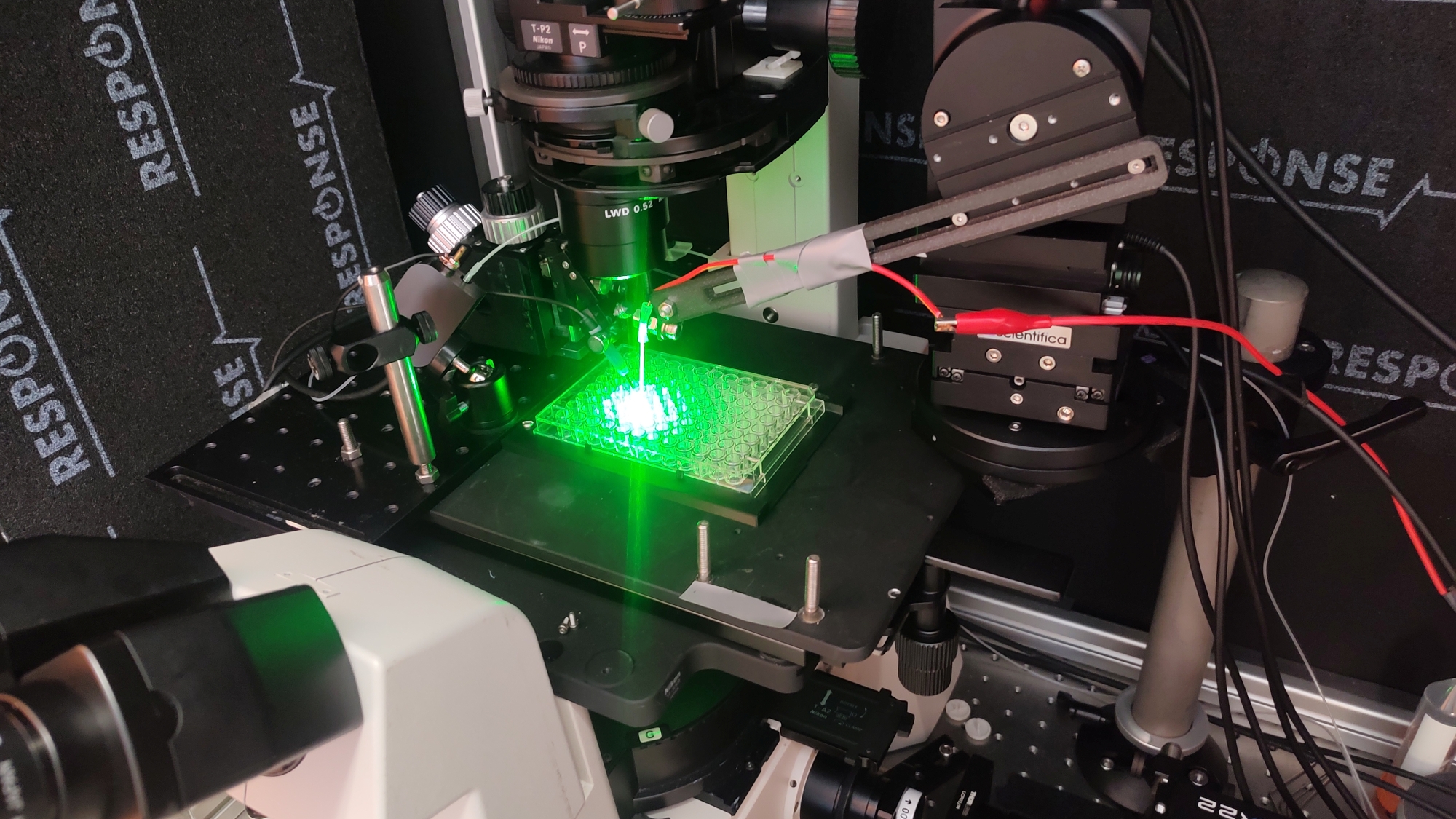 Image: Primary
 Chromos Labs, Tessara Therapeutics, Quantum Brilliance, Axol Biosciences and the University of Melbourne announced formation of a consortium to build a quantum enabled brain on chip platform. The platform will measure real time electrical activity from 3D human neural micro tissues using Tessara RealBrain human neural micro tissue cultures combined with a diamond based quantum sensing method that optically detects signals from brain cells. The effort seeks to help researchers assess disease effects and treatment responses sooner in neurological drug development.
The consortium builds on prior feasibility work by Tessara Therapeutics, Chromos Labs and the University of Melbourne. That work integrated diamond micropillar arrays with the micro tissues and achieved high aspect ratio pillar fabrication while validating detection of millivolt scale electrical signals relevant to neural activity. The expanded group will now develop a working prototype capable of measuring baseline electrophysiological activity and distinguishing between healthy, diseased or toxin exposed versions of the neural micro tissues.
Dr. Christos Papadimitriou, cofounder and chief executive of Tessara Therapeutics, said the collaboration moves the group closer to a new standard in neurological drug development and aligns with a global regulatory shift toward more accurate human relevant methods. Dr. Nikolai Dontschuk, founder and chief executive of Chromos Labs, said the next phase will expand the field of view to measure electrical signals across whole RealBrain micro tissues. Associate Professor David Simpson from the University of Melbourne said the program brings together technology developers with end users to evaluate the novel quantum biotechnology platform.
Each partner contributes a distinct piece of the platform. Chromos provides the diamond nano pillar sensing chip technology, Tessara provides the RealBrain human neural micro tissue platform, Quantum Brilliance provides the pathway to scalable sensor chip manufacturing, and Axol Biosciences provides high quality human induced pluripotent stem cell derived neurons. The project received grant funding from the Australian Government under the Critical Technologies Challenge Program, Round 1, Stage 2.
Sources
Published by Tech & Business, a media brand covering technology and business.
This story was sourced from Quantum Brilliance and reviewed by the T&B editorial agent team.
Back to Newswire