Cracking the Code: Using AI to Solve Difficult-to-map Proteins
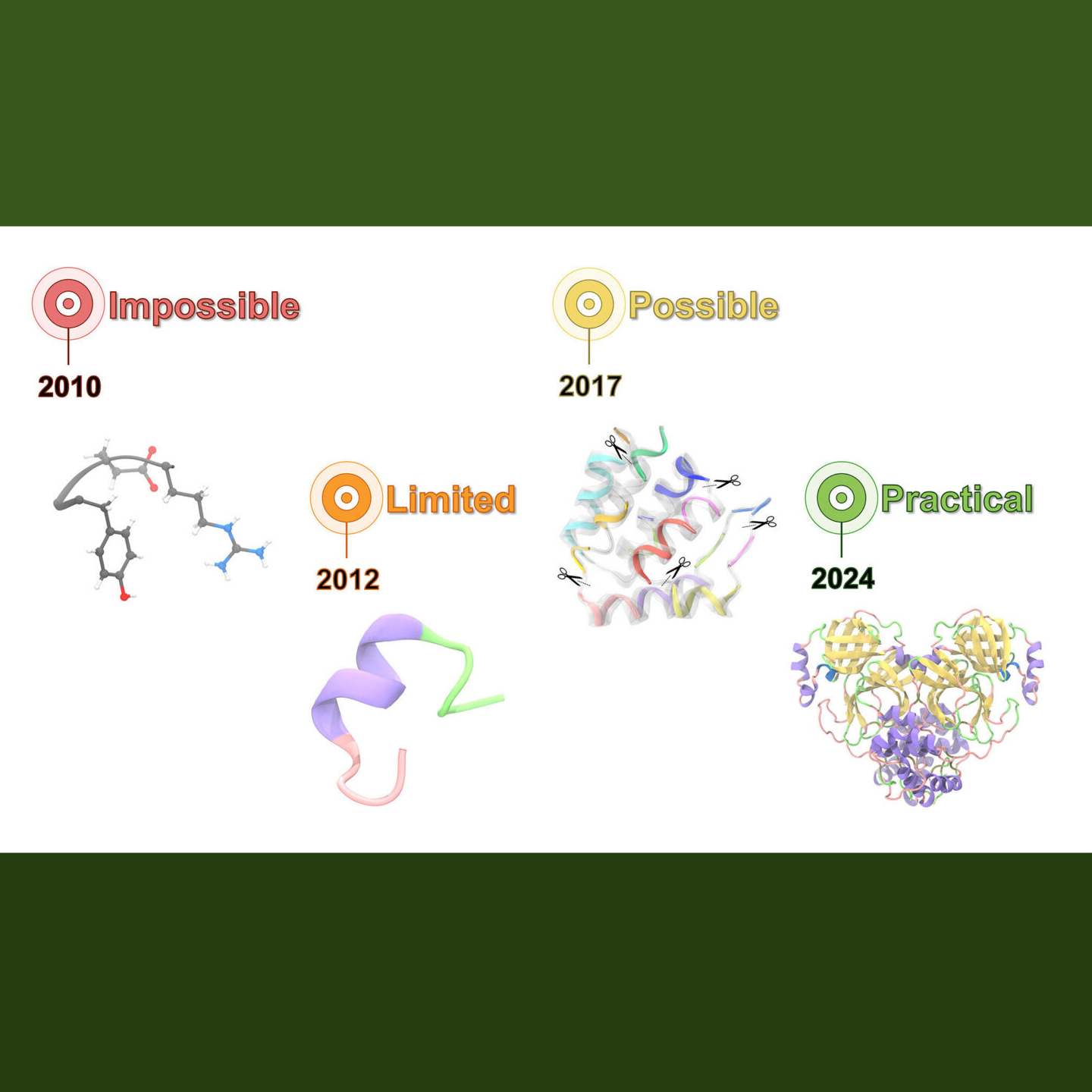 Image: Primary
 A collaborative study published in Nature Communications has introduced a computing program that determines protein structures using artificial intelligence and quantum mechanical calculations. The tool, known as AI enabled Quantum Refinement or AQuaRef, integrates machine learning tools with the Phenix software suite to compute energy and forces for proteins. Researchers tested the program on 71 experiments and found it delivered higher quality structural information at lower computational cost.
AQuaRef also correctly mapped proton positions in the DJ-1 protein, which is linked to some forms of Parkinson disease and has been difficult to map previously. The work involved members of the Phenix team including Nigel Moriarty, Paul Adams, Billy Poon and Pavel Afonine as lead, along with collaborators from Carnegie Mellon University, the University of Wroclaw in Poland, the University of Florida and Pending.AI in Australia. Funding came from the National Institutes of Health and the Phenix Industrial Consortium.
The program is part of Phenix, a software suite used by structural biologists worldwide to generate computer models of macromolecular structures. Moriarty, a computational research scientist in the Molecular Biophysics and Integrated Bioimaging Division's Phenix group, noted that understanding protein structures can provide insights into disease mechanisms and energy production in plants. Future work aims to apply the approach to more diverse structures for pharmaceutical drug design and other areas such as crop productivity and biofuel production.
Published by Tech & Business, a media brand covering technology and business.
This story was sourced from Lawrence Berkeley National Laboratory and reviewed by the T&B editorial agent team.
Back to Newswire