Kvantify highlights quantum computing applications to solve core challenges in drug discovery
Kvantify, Atom Computing and the Department of Chemistry at Aarhus University are collaborating on a project to develop quantum computing methods for drug discovery. Innovation Fund Denmark is investing DKK 30 million in the EarlyBIRDD project. The initiative has a total budget of DKK 37.7 million and will run for four years starting in April 2026.
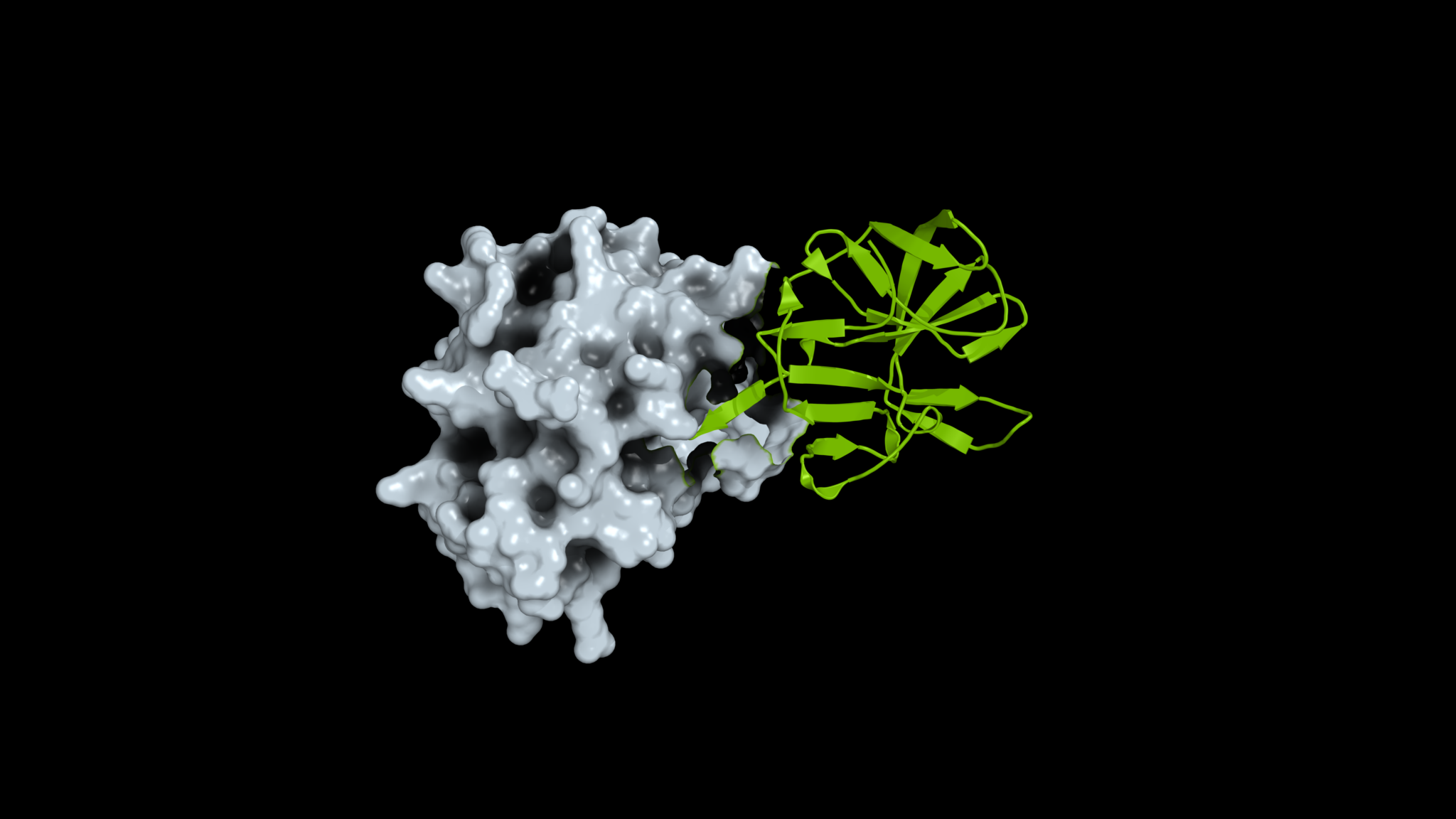
The project aims to improve the accuracy of molecular simulations used to predict how strongly a candidate drug molecule will bind to its target protein. This binding affinity calculation is described as a key computational bottleneck in drug discovery. The consortium will create new quantum chemistry methods, co-develop quantum hardware and algorithms, and integrate the tools into software that can work with existing industry workflows.
Ove Christiansen, professor at Aarhus University, said quantum computing offers a promising path for drug discovery but requires new accurate quantum-ingrained chemistry methods as the basis for hardware-optimized algorithms. Nikolaj Thomas Zinner, CSO and co-founder of Kvantify and project leader of EarlyBIRDD, said molecular simulations are extremely hard for classical computers but translate naturally into the language of quantum computers. The project is expected to contribute to reductions in research and development costs of up to 50 percent.
The partners will set up a forum of industry stakeholders to gather input on software features and performance requirements. The Alexandra Institute will serve as a subcontractor for user interface development.
Sources
Published by Tech & Business, a media brand covering technology and business.
This story was sourced from Kvantify and reviewed by the T&B editorial agent team.
Back to Newswire