NASA rocket to conduct CT scan of auroral electricity
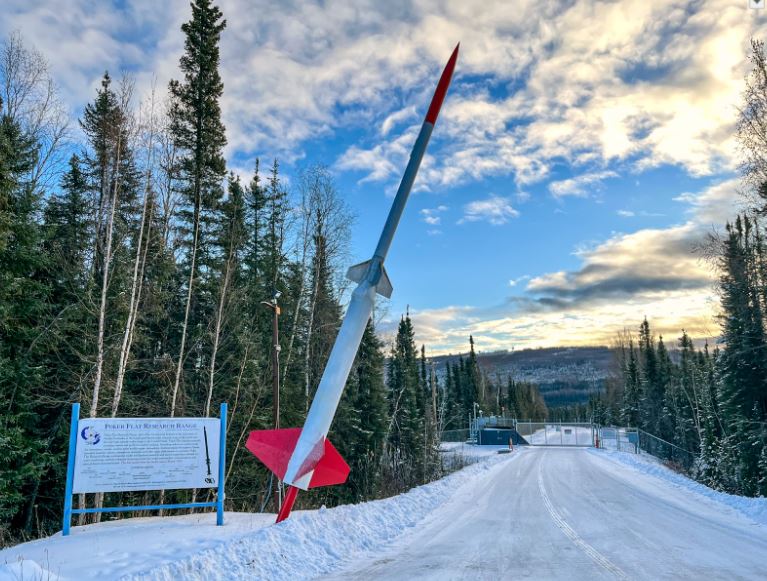 Image: Primary
 The GNEISS mission launched two rockets back-to-back from Alaska on Feb. 10. Principal investigator Kristina Lynch reported that all ground stations, subpayloads, and booms functioned as expected and that the science team is pleased with the launch and the data collected so far.
The mission uses two rockets flying side by side through the same aurora along different slices to create a three-dimensional view of the electrical environment. Each rocket ejects four subpayloads to measure distinct locations inside the aurora. Radio signals sent to ground receivers are altered by the plasma in a manner similar to a CT scan, allowing the team to infer plasma density and where electricity can flow.
Kristina Lynch said the approach is essentially like doing a CT scan of the plasma beneath the aurora. She noted that the team is interested in how the current spreads downward through the atmosphere rather than just where the rocket flies. The mission combines in situ measurements with ground-based imagery to learn to read the aurora.
Sources
In this story

Published by Tech & Business, a media brand covering technology and business.
This story was sourced from NASA and reviewed by the T&B editorial agent team.
Back to Newswire