Scientists discover pets are helping an invasive flatworm spread
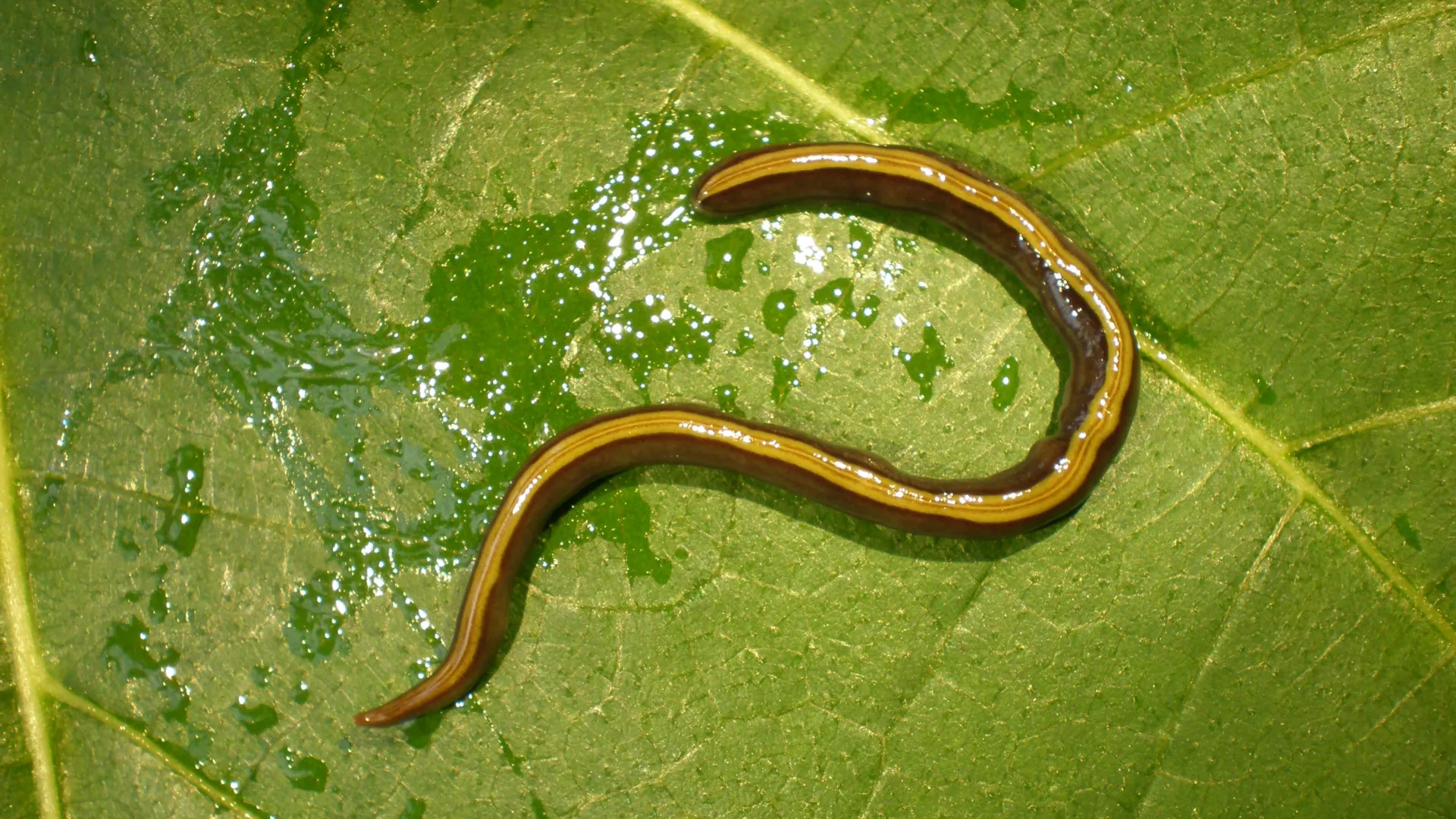 Image: Primary
 A study published in the journal PeerJ has identified household pets as a factor in the spread of an invasive flatworm in France. Researchers from the Institute of Systematics, Evolution and Biodiversity at the French National Museum of Natural History, working with a collaborator from James Cook University in Australia, reviewed more than twelve years of citizen science observations across the country. Their findings show that flatworms were discovered clinging to the fur of dogs and cats.
The research focused on land dwelling flatworms that typically expand their range through the movement of plants. This process is largely tied to human activity such as gardening and plant trade. The slow movement of the worms raised questions about how they appear in nearby gardens that have not received new plants.
One invasive species stands out in the data. Out of roughly ten flatworm species that have invaded France, only Caenoplana variegata was linked to transport on pets. This species produces especially sticky mucus related to its diet as a predator of arthropods. It can also reproduce without a partner, which increases its ability to establish new populations after being moved.
Researchers suggest that because pets travel substantial distances each year, this form of movement could contribute to the worldwide spread of certain invasive flatworm species. The materials for the study were provided by PeerJ.
Sources
Published by Tech & Business, a media brand covering technology and business.
This story was sourced from ScienceDaily and reviewed by the T&B editorial agent team.
Back to Newswire