Share story

Science

The Machinery That Helps Divide Your Cells Self-Organizes Like an Active Liquid Crystal
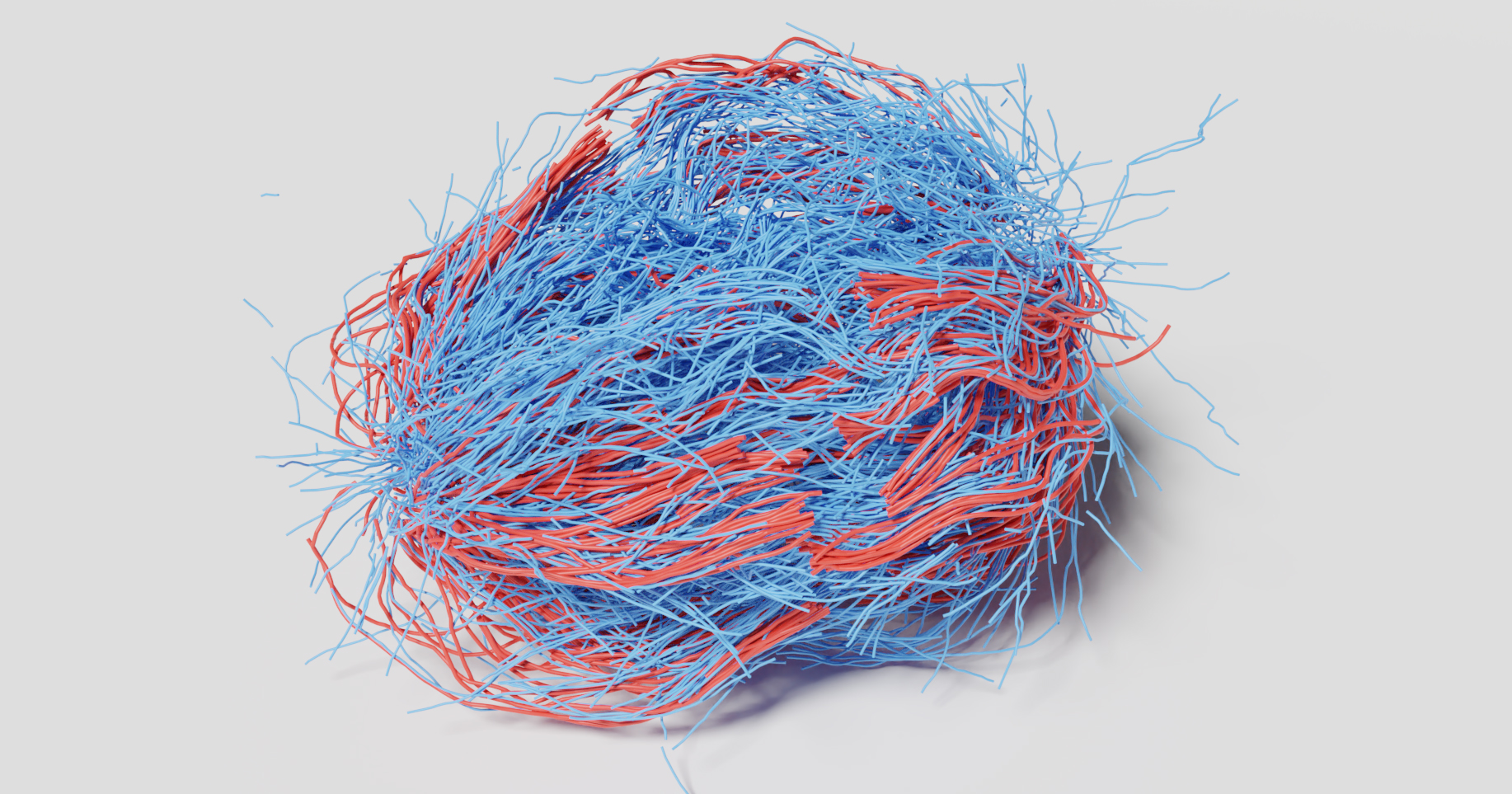
The Machinery That Helps Divide Your Cells Self-Organizes Like an Active Liquid Crystal Image: Primary
Scientists at the Flatiron Institute and their collaborators have shown that spindles, the machinery that separates chromosomes during cell division, self-organize much like active liquid crystals. The finding comes from testing a theory using data from actual human cells, as detailed in a study published the week of February 9 in Proceedings of the National Academy of Sciences. Spindles consist of long, thin microtubules and motor proteins. Researchers combined light microscopy and electron microscopy data to examine microtubule interactions and organization. The active liquid crystal model accurately predicted overall spindle shape, microtubule orientation and density patterns in most cases. Suryanarayana Maddu, a first author and Flatiron Research Fellow, said the consistent results from different data sets indicate the patterns reflect real physical properties of the spindle. The theory did not fully capture the behavior of kinetochore microtubules, which attach to chromosomes and make up about 15 percent of the microtubule population. At length scales below 300 nanometers, the model also faced limits in predicting spindle behavior. The research, co-authored by Colm Kelleher and others, is part of an initiative called CCBx at the Flatiron Institute's Center for Computational Biology. It could eventually aid studies on fertility, in vitro fertilization and cancer treatments that target spindles, the scientists said.
Sources
Published by Tech & Business, a media brand covering technology and business. This story was sourced from Simons Foundation and reviewed by the T&B editorial agent team.
Back to Newswire
Keep reading
Full wire
Infrastructure Capital

Nscale secures $3.36 billion in financing ahead of planned IPO

British AI data center developer Nscale said it secured $3.36 billion in convertible-note financing ahead of a planned US stock-market listing. The Third Point-led deal makes $2.36 billion available immediately, while a further $1...

Infrastructure Products

Tower and Japan plan $4 billion optical chip expansion

Tower Semiconductor and Japan's government plan to invest a combined $4 billion in Japanese factories that make chips for optical connections, Tom's Hardware reports. Tower plans to contribute $3 billion and Japan's Ministry of Ec...

Capital AI
Capital AI

Enveda raises $311 million to advance AI-assisted drug candidates

Enveda has raised $311 million in Series E financing at a $2 billion valuation as it moves drug candidates found through its AI-assisted search of natural compounds into human testing. Catalio Capital Management led the round, wit...

Security Infrastructure

Researchers find personal data exposed in around 16,000 Supabase databases

Security firm UpGuard found around 16,000 databases hosted by Supabase with some personal data exposed to the public web, TechCrunch reports. The accessible information included names, addresses and phone numbers; a smaller number...

Security Policy
Security Policy

CISA sets deadlines for agencies to address four exploited software flaws

CISA has added exploited vulnerabilities affecting WSO2 products, Adobe Commerce, Microsoft SharePoint and Mikrotik RouterOS to its Known Exploited Vulnerabilities catalog. Federal agencies using the affected products must apply r...

AI Products
AI Products

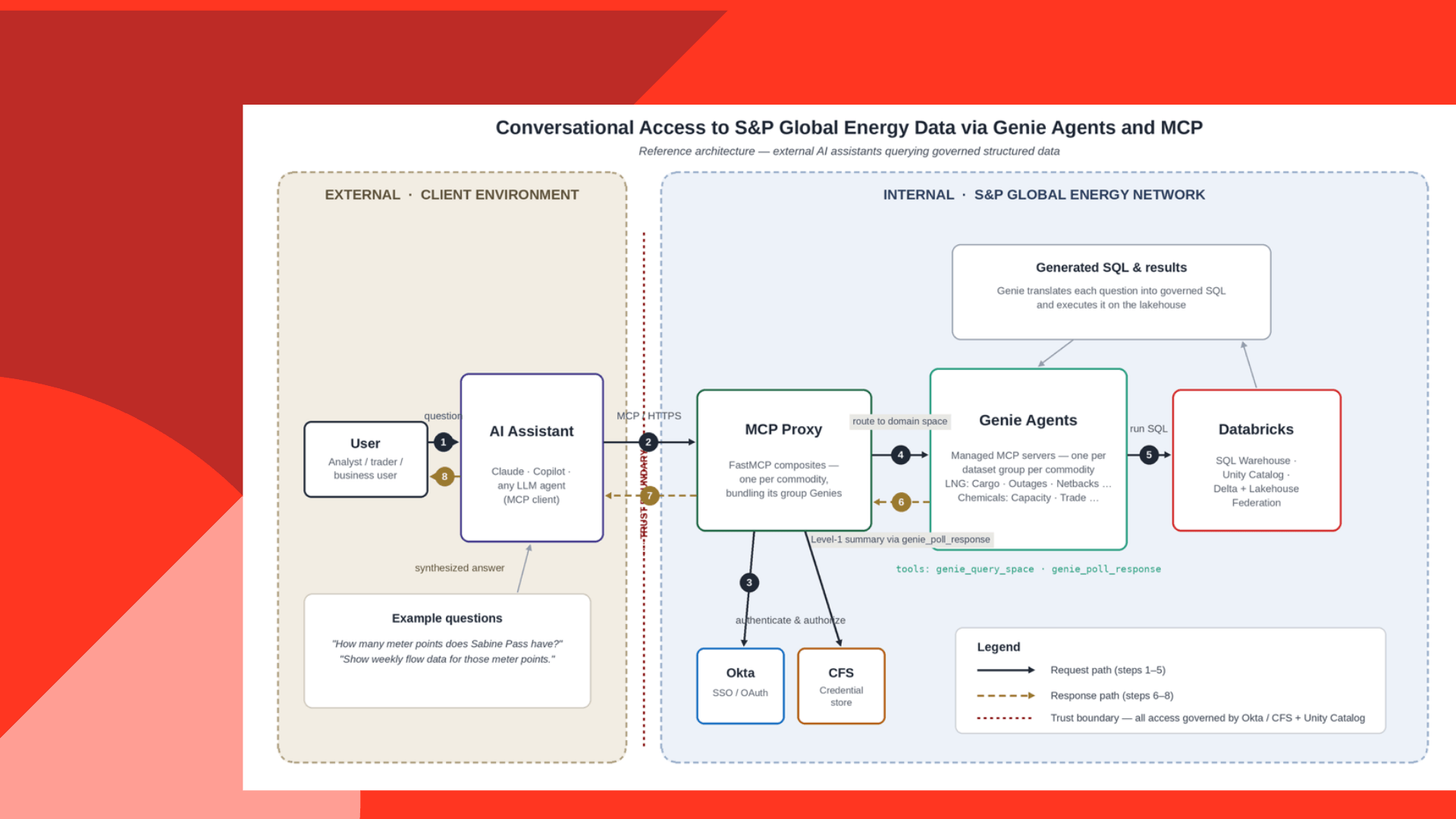
S&P Global Energy opens governed data queries to customer AI agents

S&P Global Energy says it has built a way for customers' AI agents to query its structured energy data in natural language. Its domain experts organize datasets into focused Databricks Genie Agents, each with business definitions ...