AI speeds UK fusion tokamak design by 100,000 times
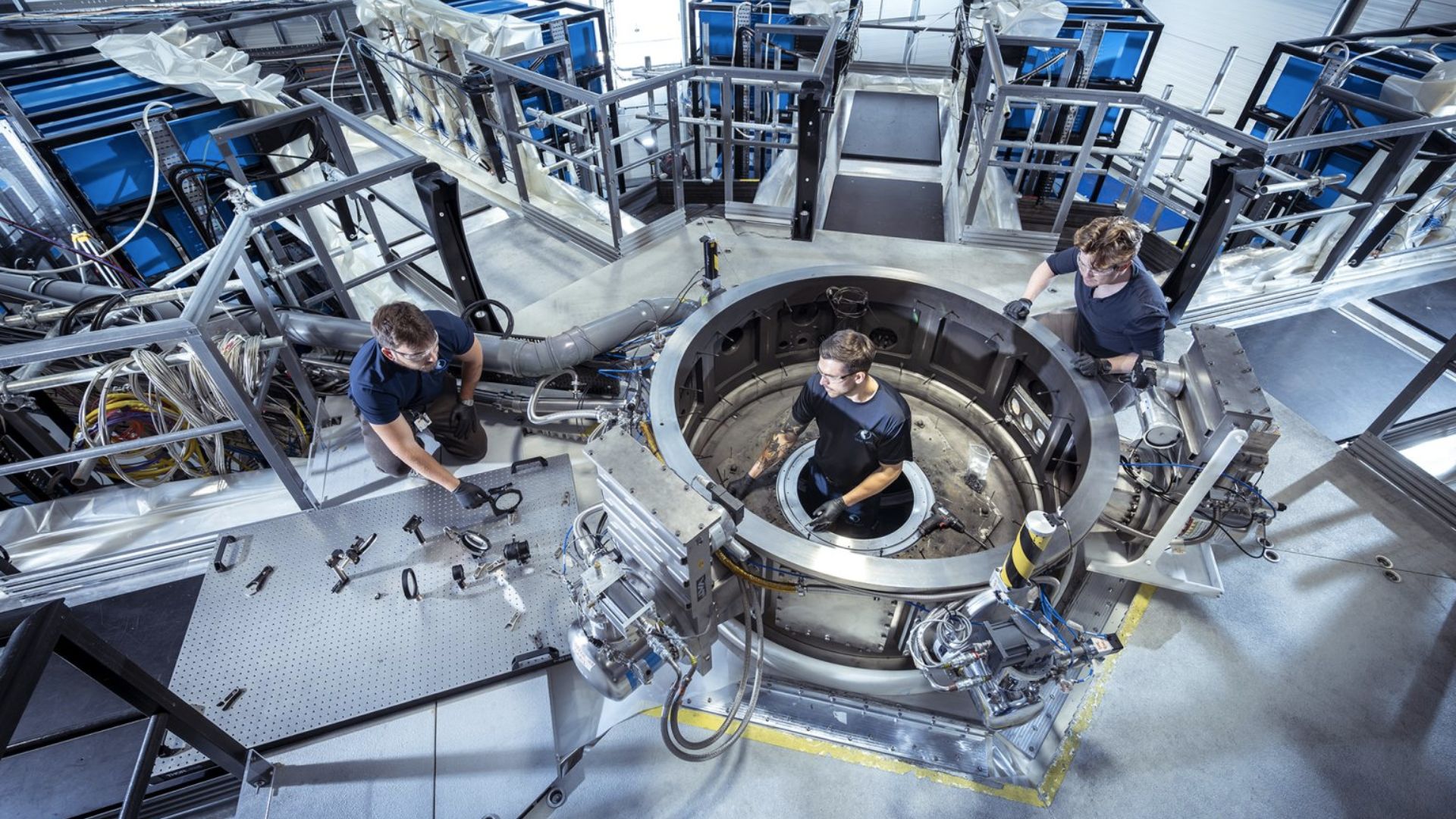
digiLab has worked with the UK Atomic Energy Authority on artificial intelligence models that reduce simulation times and computing workloads for fusion research reactor design studies. The Uncertainty Engine provided researchers with a significant increase in the speed of plasma turbulence simulations for spherical tokamak designs under the UKAEA STEP programme.
Fusion developers face difficulties predicting turbulence in superheated plasma that can reach temperatures above 150 million degrees Celsius. Turbulence can remove energy from the plasma and affect sustained reactions. Researchers rely on large computational models that consume millions of CPU hours.
The models allow UKAEA to explore reactor designs around 100,000 times faster than traditional methods for relevant workloads. This reduces research cycles from months to hours in some cases and yields savings of hundreds of thousands of CPU hours along with a fourfold reduction in redundant simulations. Machine learning models now predict behaviours in these configurations with quantified uncertainty attached to their outputs.
The work also addressed diagnostic and sensing design. Probabilistic AI supported sensor placement for fusion devices through genetic algorithms and Bayesian optimisation.
Dr Rob Akers, Director of Computing Programmes and Senior Fellow at UKAEA, said, "Delivering the fusion roadmap will require a big investment in digital technologies. And at the heart of those technologies are the solutions digiLab is working on."
Commercial terms of the partnership were not disclosed.
Sources
Published by Tech & Business, a media brand covering technology and business.
This story was sourced from Channel Life and reviewed by the T&B editorial agent team.
Back to Newswire