CSHL and Scripps molecule restores vancomycin activity against resistant bacteria
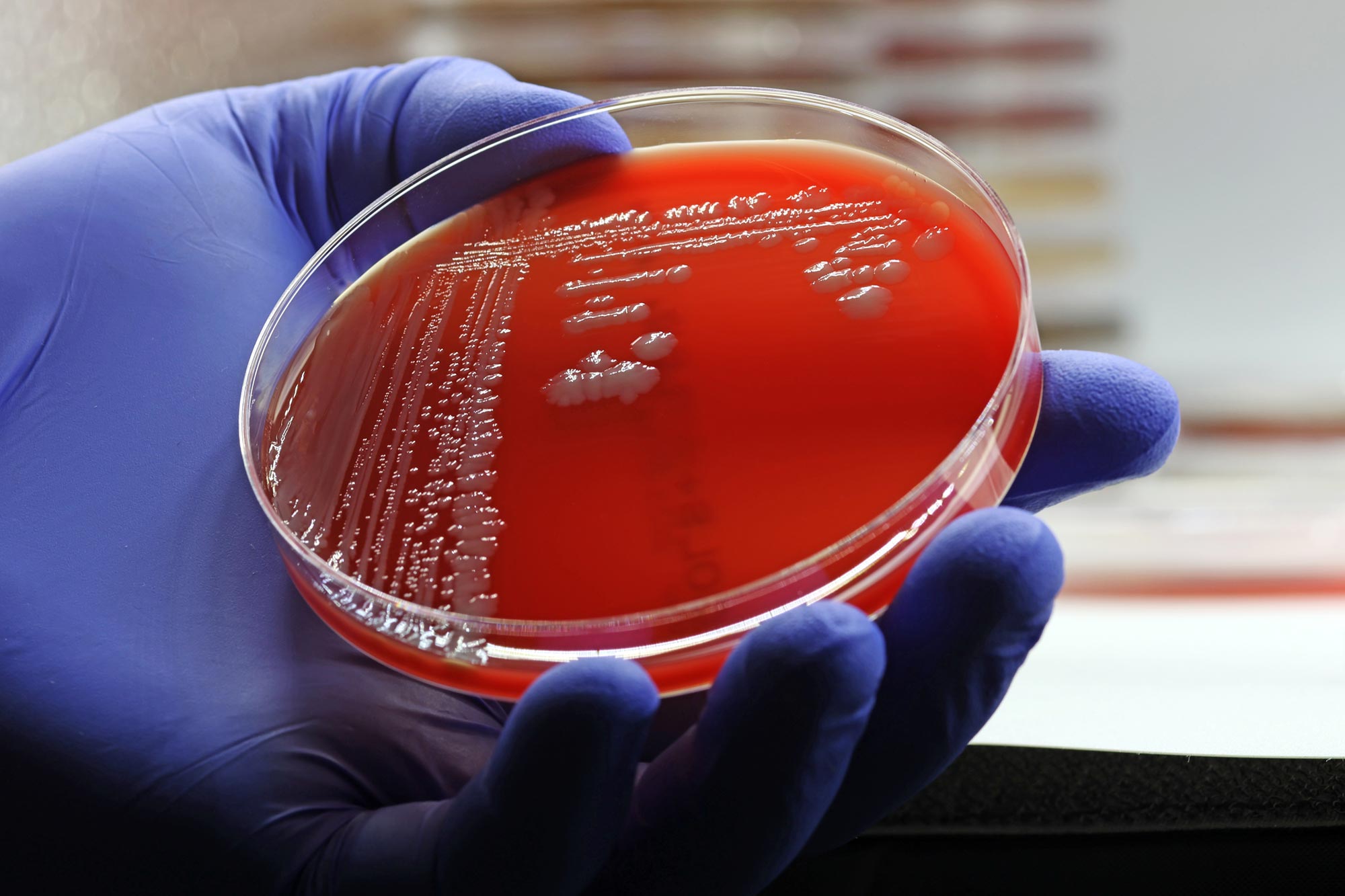 Image: Primary
Cold Spring Harbor Laboratory and Scripps Research scientists report in Nature Communications that a small molecule called pghi-4 restored vancomycin's ability to kill drug-resistant Enterococcus faecium by blocking the bacterial enzyme secreted antigen A, or SagA.
John Moses and colleagues at CSHL used diversity-oriented clicking chemistry to build a library of more than 150 compounds. With Howard Hang's group at Scripps, they found pghi-4, first identified in the Moses lab in 2020, inhibited SagA and revived vancomycin activity against resistant strains linked to serious infections including MRSA and C. diff contexts in the broader resistance problem the write-up describes.
The work frames antibiotic adjuvants as partners that disable resistance defenses rather than killing bacteria alone. SciTechDaily covered the study (DOI 10.1038/s41467-026-74057-1), funded by NIH, NCI, and other sources.
Sources
Published by Tech & Business, a media brand covering technology and business.
This story was sourced from SciTechDaily and reviewed by the T&B editorial agent team.
Back to Newswire