MSK study links MEK signaling to T cell exhaustion in cancer immunotherapy
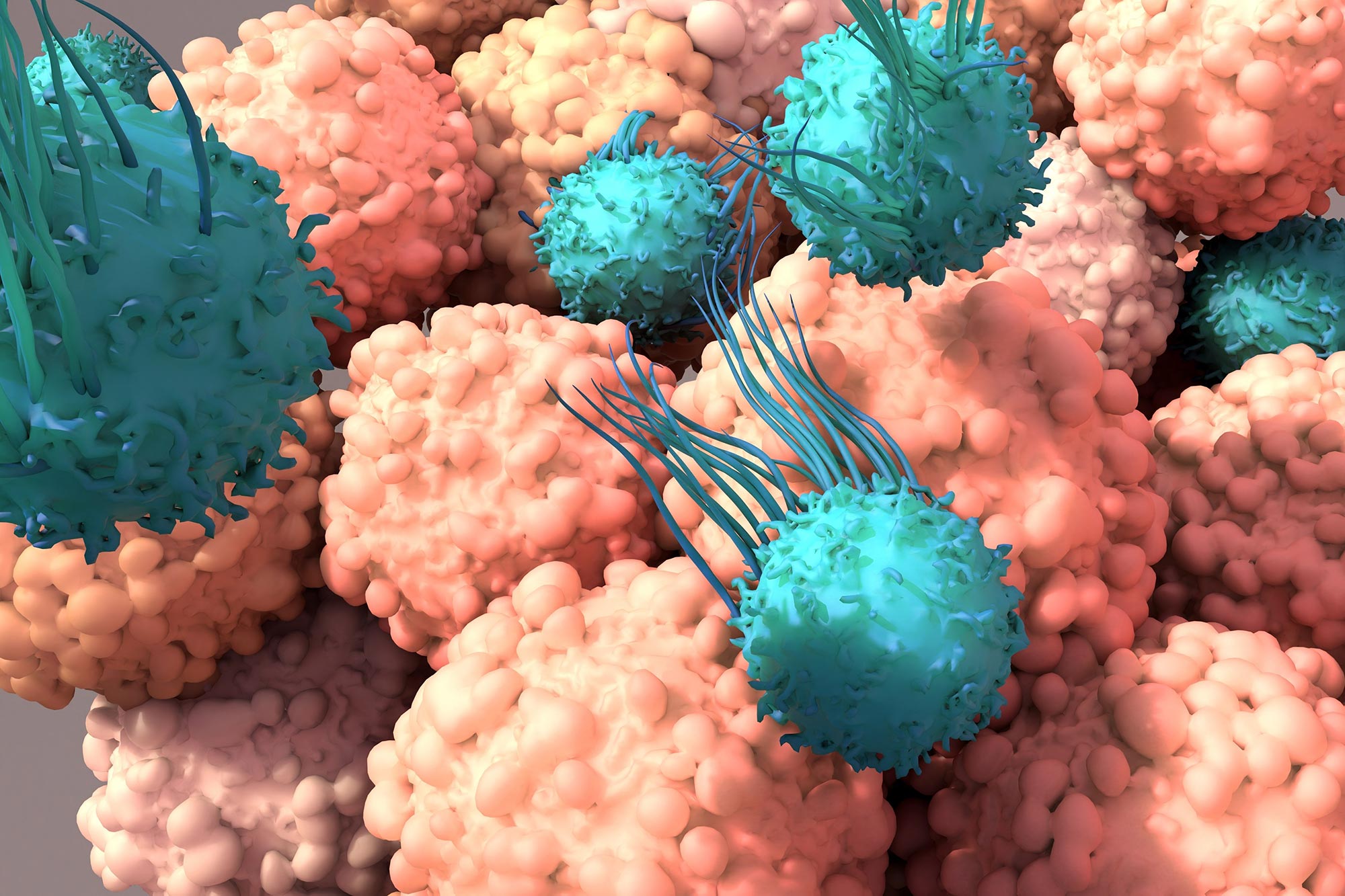 Image: Primary
 Memorial Sloan Kettering Cancer Center researchers report in Immunity that the signaling molecule MEK helps drive T cell exhaustion, a state in which cancer-fighting T cells lose sustained attack capacity during immunotherapy.
Physician-scientist Santosha Vardhana and colleagues found that repeated exposure to tumor antigens places heavy metabolic demand on T cell mitochondria, and that MEK regulates production of cancer-killing proteins. Excessive MEK activity can push cells into terminal exhaustion that checkpoint inhibitors can no longer reverse. In animal work, inhibiting MEK helped prevent some T cells from becoming fully exhausted.
The team said FDA-approved MEK inhibitors already exist, so combination approaches could be tested in people without long drug-development delays. SciTechDaily summarized the MSK study, which carries DOI 10.1016/j.immuni.2026.06.012 and was supported by NCI and other awards.
Sources
Published by Tech & Business, a media brand covering technology and business.
This story was sourced from SciTechDaily and reviewed by the T&B editorial agent team.
Back to Newswire