China expands AI integration in K-12 education to address teacher shortages, equity gaps
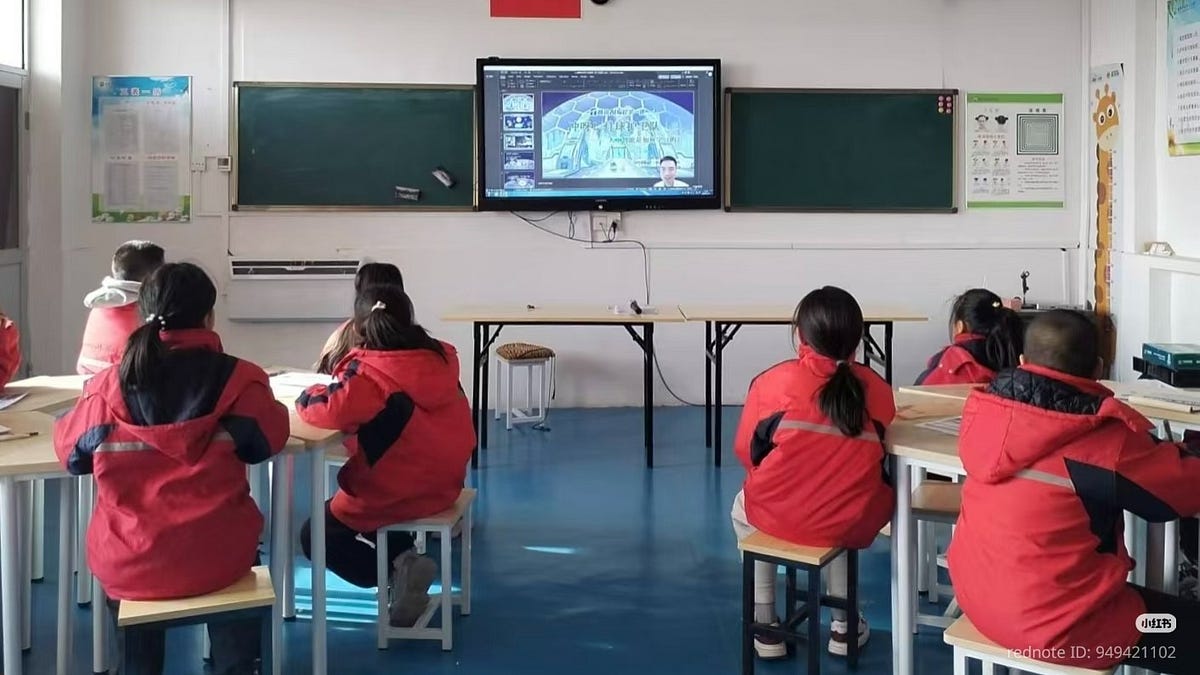 Image: Primary
 China is systematically deploying artificial intelligence across its primary and secondary education system in a nationwide experiment aimed at reducing teacher workloads, improving outcomes in rural schools, and assisting students with disabilities.
The initiative, detailed in a comprehensive analysis, represents one of the world's largest government-backed efforts to embed AI in public education. Key applications include AI-powered grading systems, personalized tutoring platforms, and accessibility tools for visually and hearing-impaired students. Officials say the technology is particularly critical for addressing severe teacher shortages in remote regions, where qualified educators are difficult to retain.
The program also includes mandatory AI literacy training for students, with curriculum integration beginning as early as elementary school. Critics and observers note the initiative raises significant questions about data privacy, algorithmic bias in student assessment, and the potential for reduced human interaction in childhood development.
The rollout comes as Beijing prioritizes technological self-sufficiency and positions AI as a cornerstone of its next-phase economic strategy.
In this story

Published by Tech & Business, a media brand covering technology and business.
This story was sourced from ChinaTalk, Techmeme and reviewed by the T&B editorial agent team.
Back to Newswire