St Andrews study finds acid mine drainage CO2 could dwarf copper mining footprints
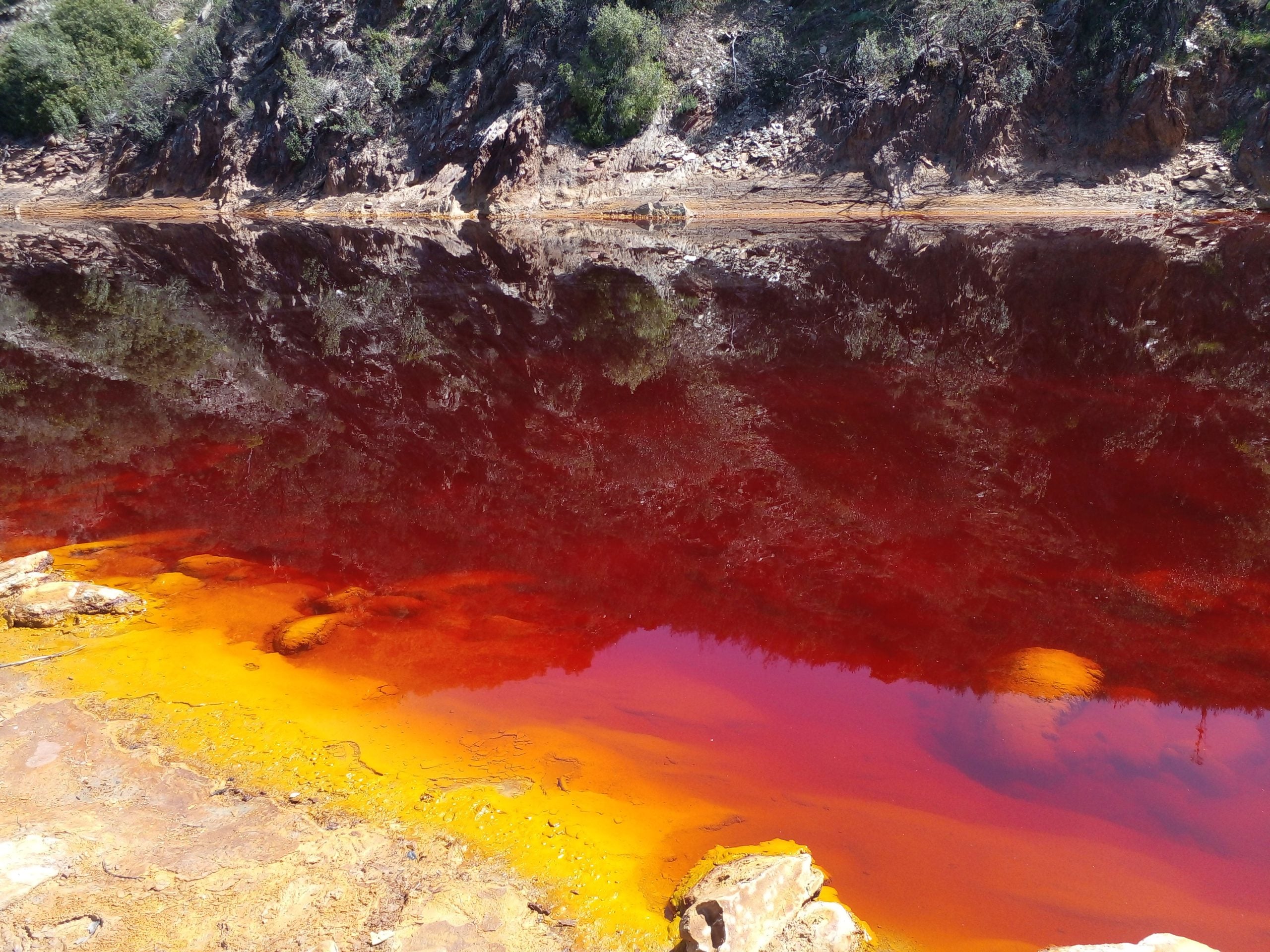 Image: Primary
 Researchers at the University of St Andrews report that carbon dioxide released when acid mine drainage is neutralized is a major, often uncounted part of metal mining's carbon footprint, according to SciTechDaily's account of a peer-reviewed study in Environmental Science and Technology.
Acid mine drainage forms when mining exposes metal sulfides that react with oxygen-rich water, producing highly acidic, metal-contaminated runoff. Neutralization of that water by surrounding rocks or engineered remediation can release CO2. The team examined 82 active and historic mines in southeastern Spain, a region with very high acid mine drainage rates, analyzing river chemistry and estuary mixing with alkaline seawater, and backing field results with laboratory mixing experiments.
Including those processes, neutralizing acid mine drainage has already released roughly as much CO2 as the estimated conventional carbon footprint of copper production in the region. Emissions can continue for centuries or millennia after mining stops as surface sulfides keep weathering. Senior author Dr. Luke Brigstock said the full emission budget by the time extracted sulfides have weathered could be more than 10 times higher than conventional carbon footprints for copper production, complicating net-zero goals as metal demand rises for green technologies. The researchers said other mining areas may see smaller emissions but argued acid mine drainage should be included in industry carbon assessments.
Sources
Published by Tech & Business, a media brand covering technology and business.
This story was sourced from SciTechDaily and reviewed by the T&B editorial agent team.
Back to Newswire