Share story

Science

Researchers model semiconductor defects across operating temperatures

Researchers model semiconductor defects across operating temperatures Image: Primary
Chalmers University of Technology researchers demonstrated a machine-learning-assisted framework for calculating how material defects change with temperature, with results matching experimental observations. Their study appeared in npj Computational Materials. The team modeled missing atoms across benchmark materials and tracked changes in the electronic energy levels those defects introduce. Several levels shifted substantially with temperature, changes that zero-Kelvin calculations would miss. The method follows defects across a temperature range, but the demonstration concerns simulations of missing-atom defects rather than manufactured device performance.
Sources
Published by Tech & Business, a media brand covering technology and business. This story was sourced from Phys.org and reviewed by the T&B editorial agent team.
Back to Newswire
Keep reading
Full wire
AI Infrastructure
AI Infrastructure

Banks outline $63 billion financing plan for Anthropic compute

Financial institutions including Bank of America, Citi, Morgan Stanley and Blackstone outlined a $63 billion plan this week to finance additional AI computing capacity for Anthropic, CIO Dive reported in an article republished by Yahoo. The financial partners will buy Broadcom XPU AI accelerators and networking products and lease them to Anthropic starting in 2027.

Capital Robotics
Capital Robotics

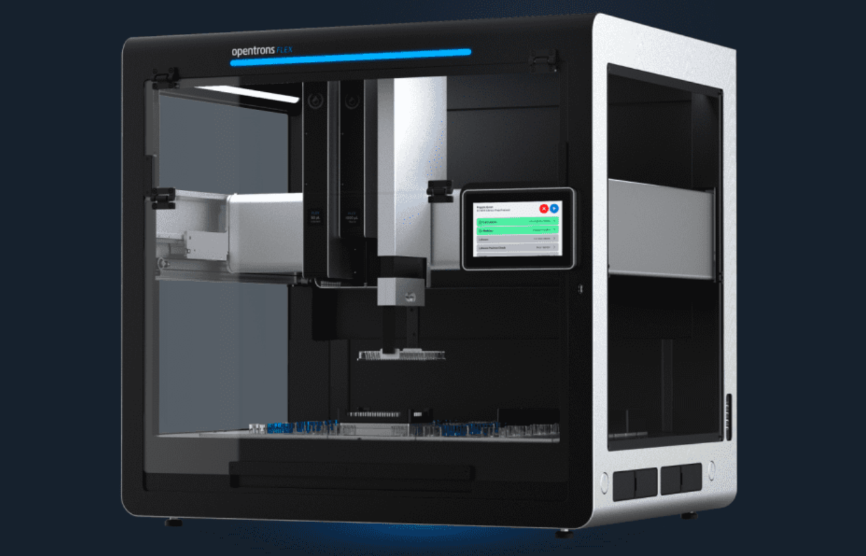
Opentrons raises $40 million to expand laboratory automation

Opentrons Labworks announced $40 million in Series E funding to scale its robotics, software and data infrastructure tools. Healthcare investor Avego led the round alongside BroadOak Capital Partners, SiliconANGLE reported.

Capital AI
Capital AI

SuperMe announces $20 million financing for AI expert profiles

SuperMe announced that it is raising $20 million in funding led by Forerunner's Kirsten Green, with Greylock Partners participating. The startup plans to expand a network that answers users' questions through AI profiles built from real experts' knowledge.

AI Capital
AI Capital

Dulo raises $130M seed for AI models for hardware design

Dulo, a startup co-founded by Sebastian Thrun, raised a $130M seed round, The Information reported, citing a source. The startup is developing AI models for hardware design. Thrun previously pioneered several AI projects at Google.