Cortisol weakens grid-cell navigation signals in MRI study of 40 men, PLOS Biology reports
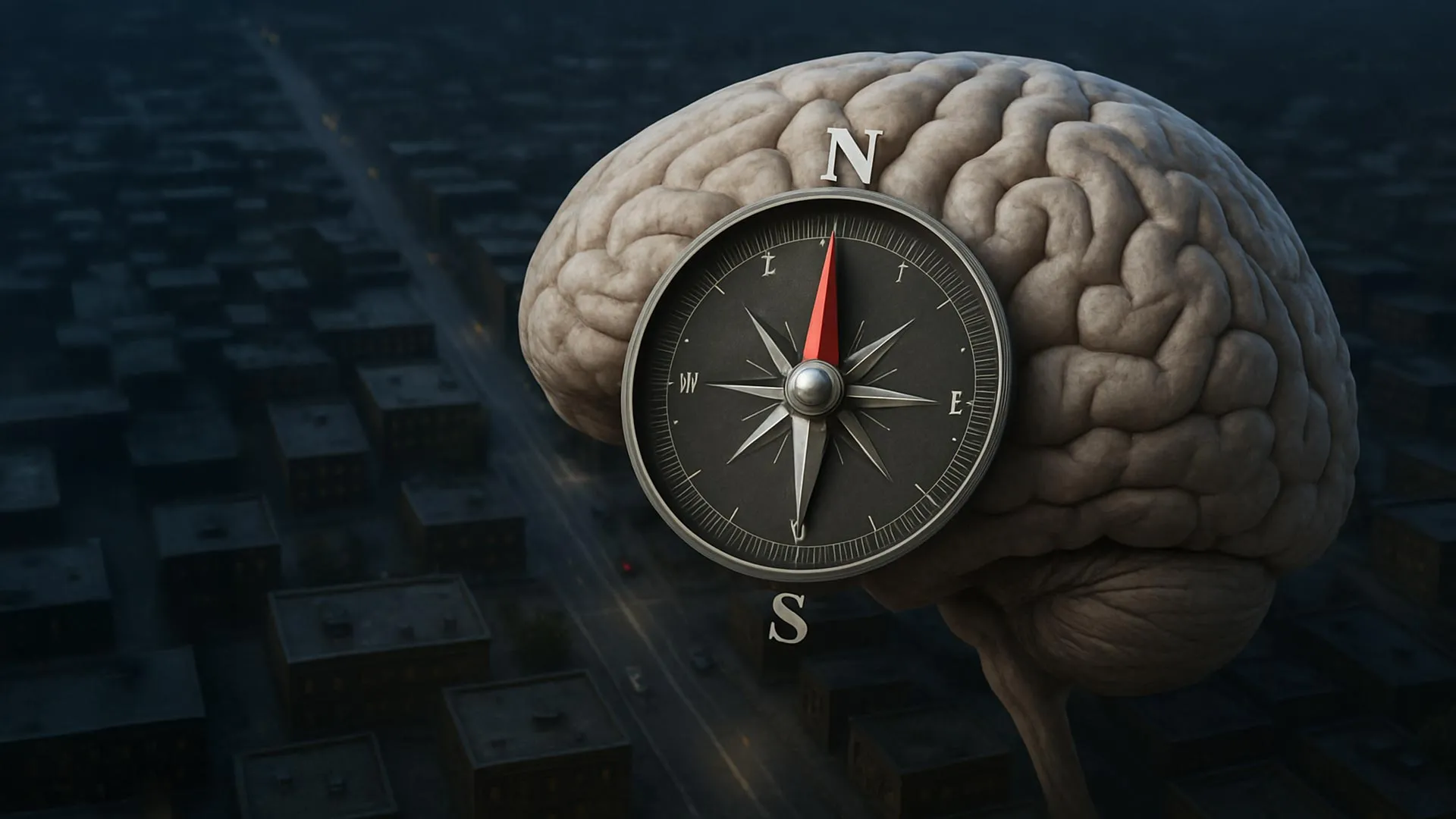 Image: Primary
 Researchers at Ruhr University Bochum found that the stress hormone cortisol weakens grid-cell activity that supports spatial navigation, according to a ScienceDaily report on findings published in PLOS Biology.
In an imaging study, 40 healthy men completed a virtual navigation task in an MRI scanner on two days. On one day each received 20 milligrams of cortisol; on the other, a placebo. Participants moved through a virtual meadow toward trees that vanished on arrival, then had to find the most direct route back to the start. Under cortisol they oriented less accurately, and grid-like activity patterns in the entorhinal cortex became much less distinct, especially when permanent landmarks were missing.
Functional MRI also showed stronger involvement of the caudate nucleus after cortisol, consistent with a shift toward a different navigation strategy. Dr. Osman Akan of Ruhr University Bochum led the cognitive psychology work with neuropsychology colleagues and University Hospital Hamburg-Eppendorf.
Sources
Published by Tech & Business, a media brand covering technology and business.
This story was sourced from ScienceDaily, PLOS Biology and reviewed by the T&B editorial agent team.
Back to Newswire